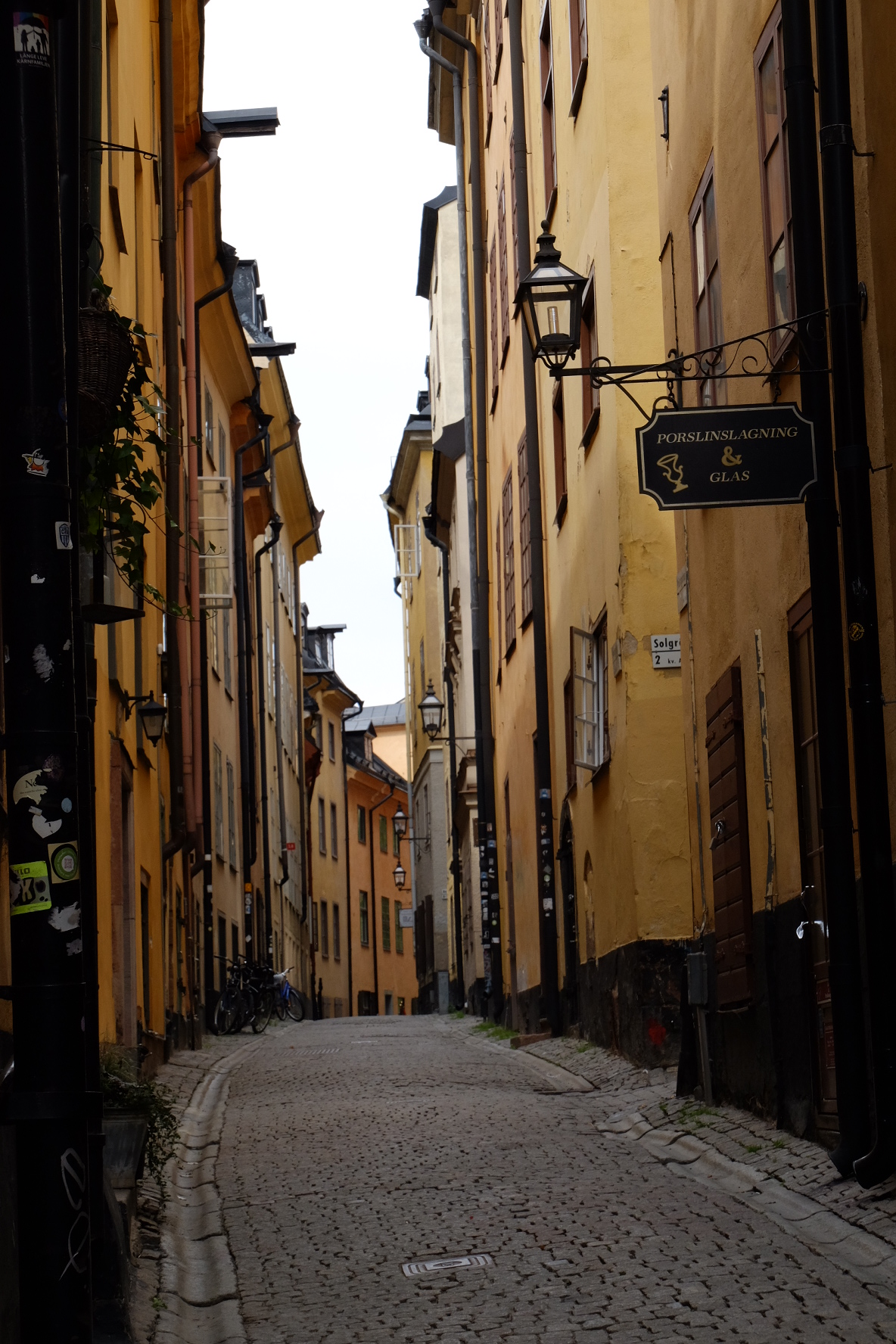
The clicking of my camera accompanies my walk down a copper-coloured alleyway with a glass-blowing merchant on my right and a green shuttered townhouse on my left.
The street is cobbled, but no rumblings can be heard, as no cars would dare venture down these narrow side streets. They remain confined away from the central pedestrian areas of Gamla Stan, an island that makes up much of the city’s old town that could be mistaken for somewhere in France, Italy or Austria. Renaissance meets medieval meets old sandstone architecture in varying shades of red, orange, and yellow, and the sun shines in burnt tones onto the walls. I am surrounded by four—and five-story blocks making up a labyrinth of alleys and wider people-filled streets with postcard stands and cafe chairs spilling onto the cobbles.
The clicking intensifies as many others find the beauty in the cascading sunlight on green climbing ivy on one side of the street obscuring all but the windows of a cream-coloured building. Between alleys, ornate signs direct me away from the postcards and ice cream parlours to quieter residential areas, that read Antikt and Porslinslagning & Glas, set apart by more trade-oriented lifestyles than the larger tourist businesses.
This is Stockholm, Sweden’s capital and a place I would appropriately name a city of historic proportions, with its grand royal palaces and plethora of museums. The city is surrounded by water, and boat travel is a must to discover the hidden histories of Stockholm’s waterways and dockside dwellings. At the same time, exploring the numerous islands and bridges by foot allows for a perspective that takes in the diverse architectural styles that make up this city landscape.
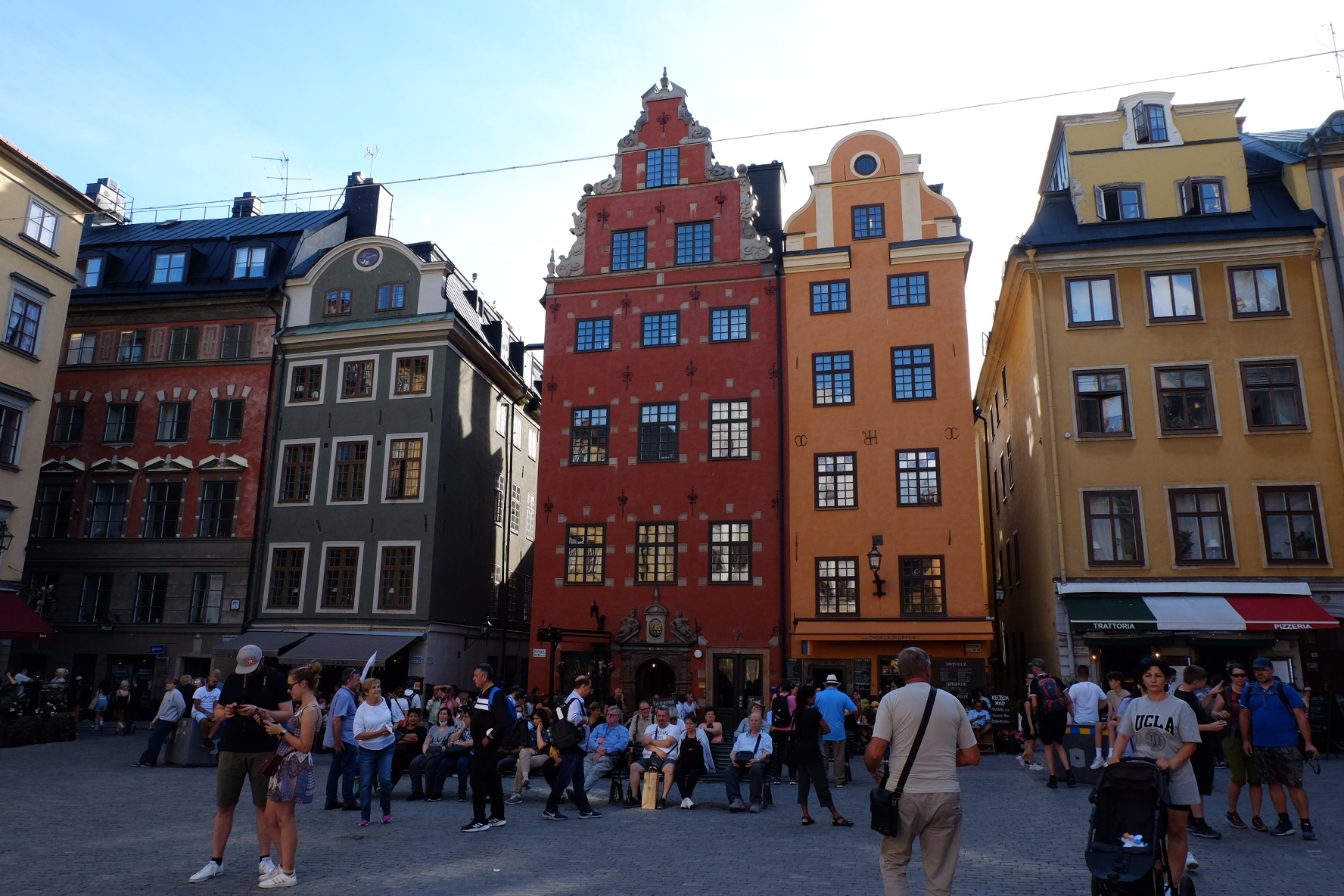
Within the large square where I sit and eat a lunch consisting of bread, cheese, salami and cucumber (the finest a budget traveller can hope for), the surrounding buildings now delve into hues of terracotta browns and reds, situated beside the famous Nobel Prize Museum where sandy columns flank carved wooden doors over 7 feet high. Alfred Nobel was, after all, Swedish, and as such the museum is curated to detail the histories of achievements that aimed to benefit the human race most and how that translates into the issues of our current time.

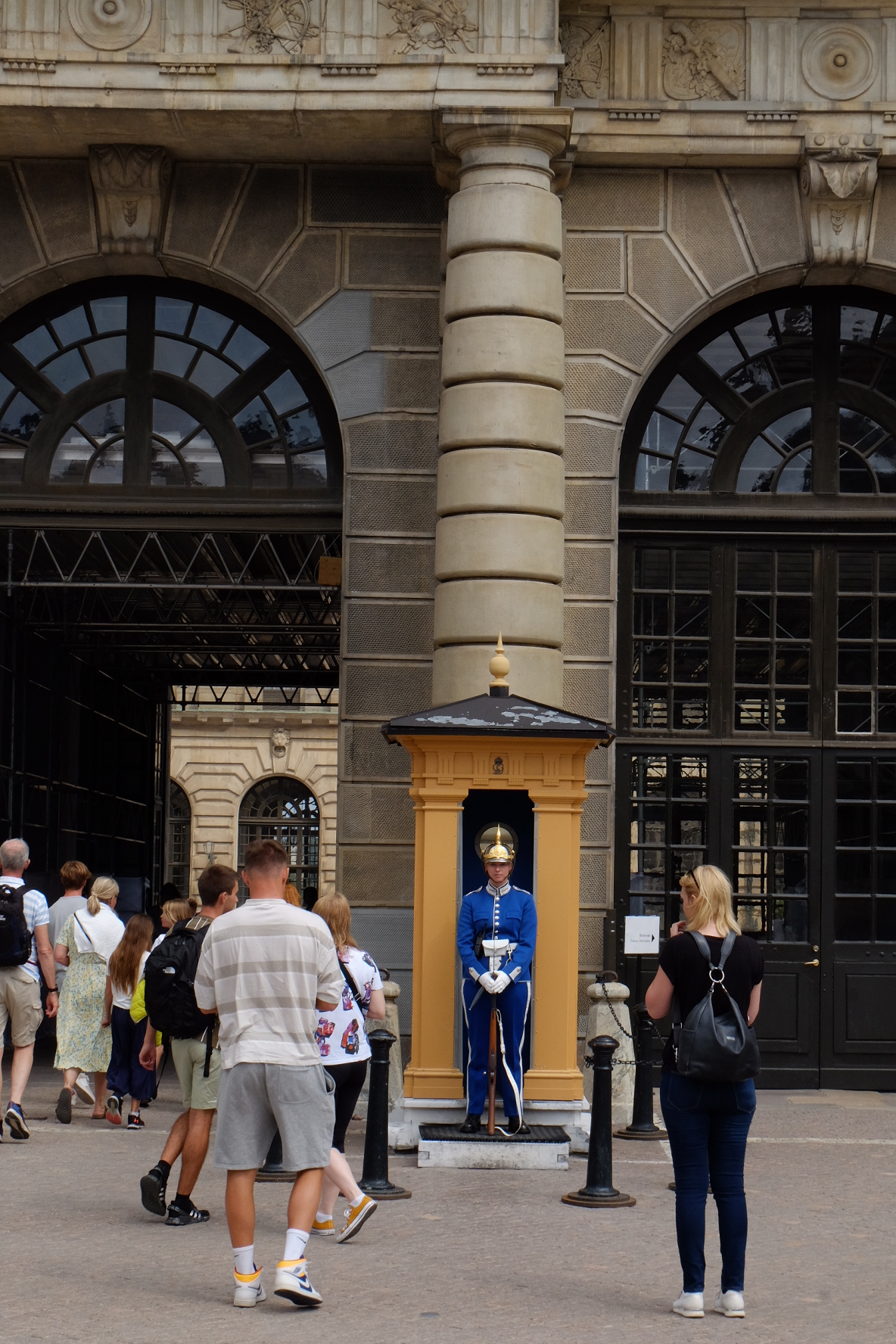
Following my nose, past the rich smells from bakeries and kebab shops, I feel the fresh air of the river funnel down the alleys heading in the direction of the royal palace where the royal family still has residence. It is significantly more polished than the drooping shutters and stoops of the old town, but nonetheless impressive as children run screaming with laughter around columns, weaving around the changing guards in their vivid blue uniforms and shiny helmets.
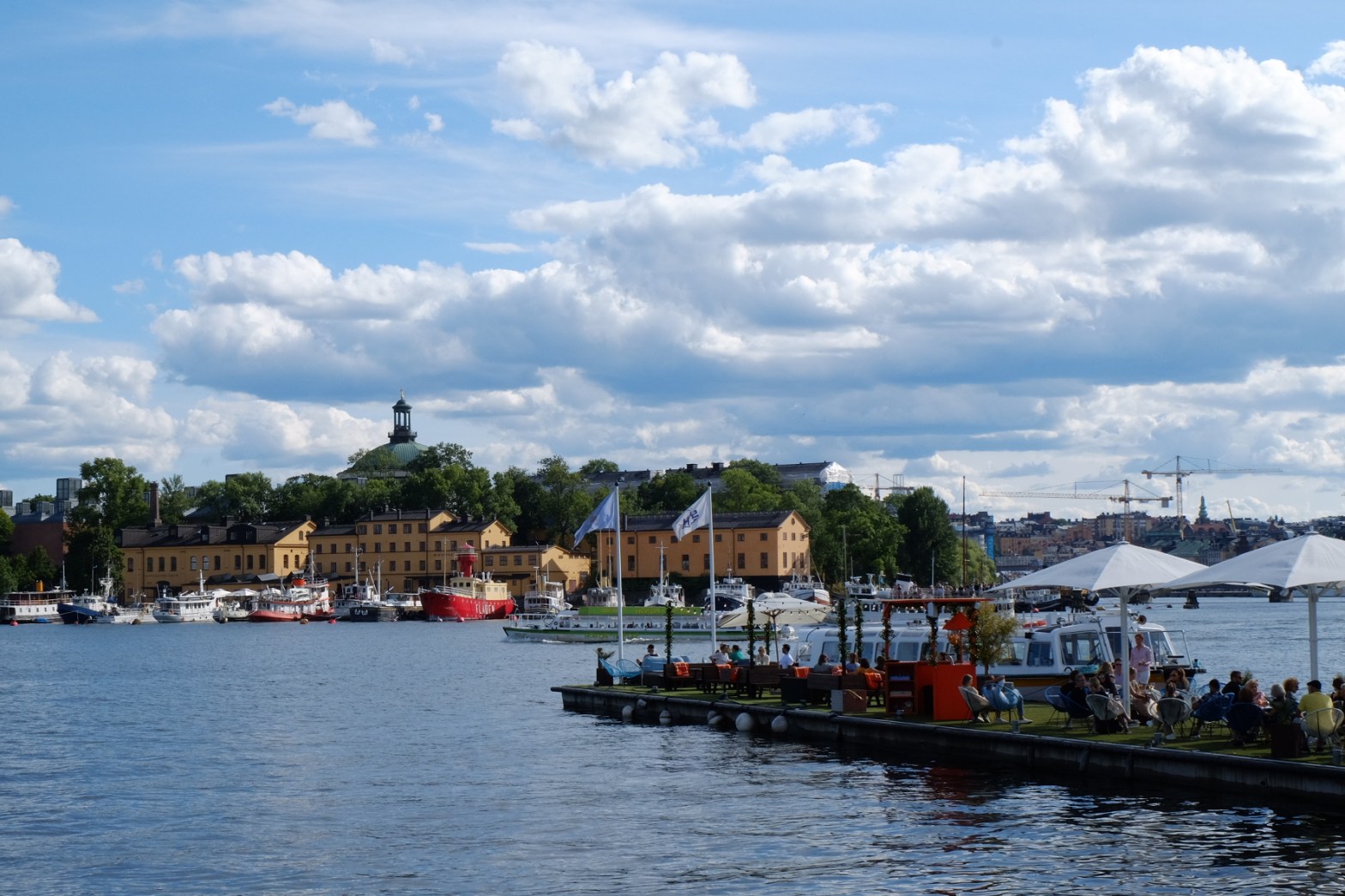
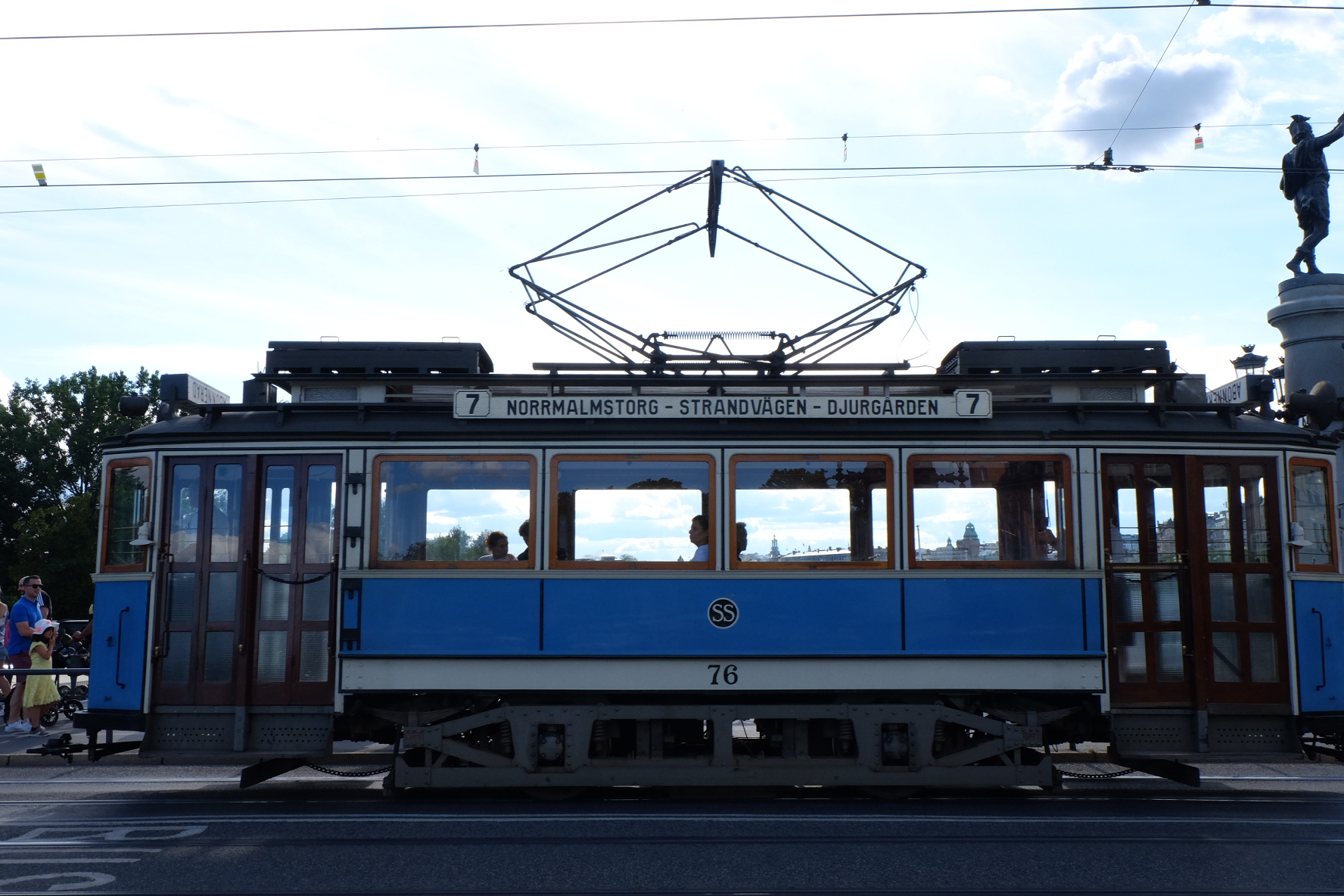
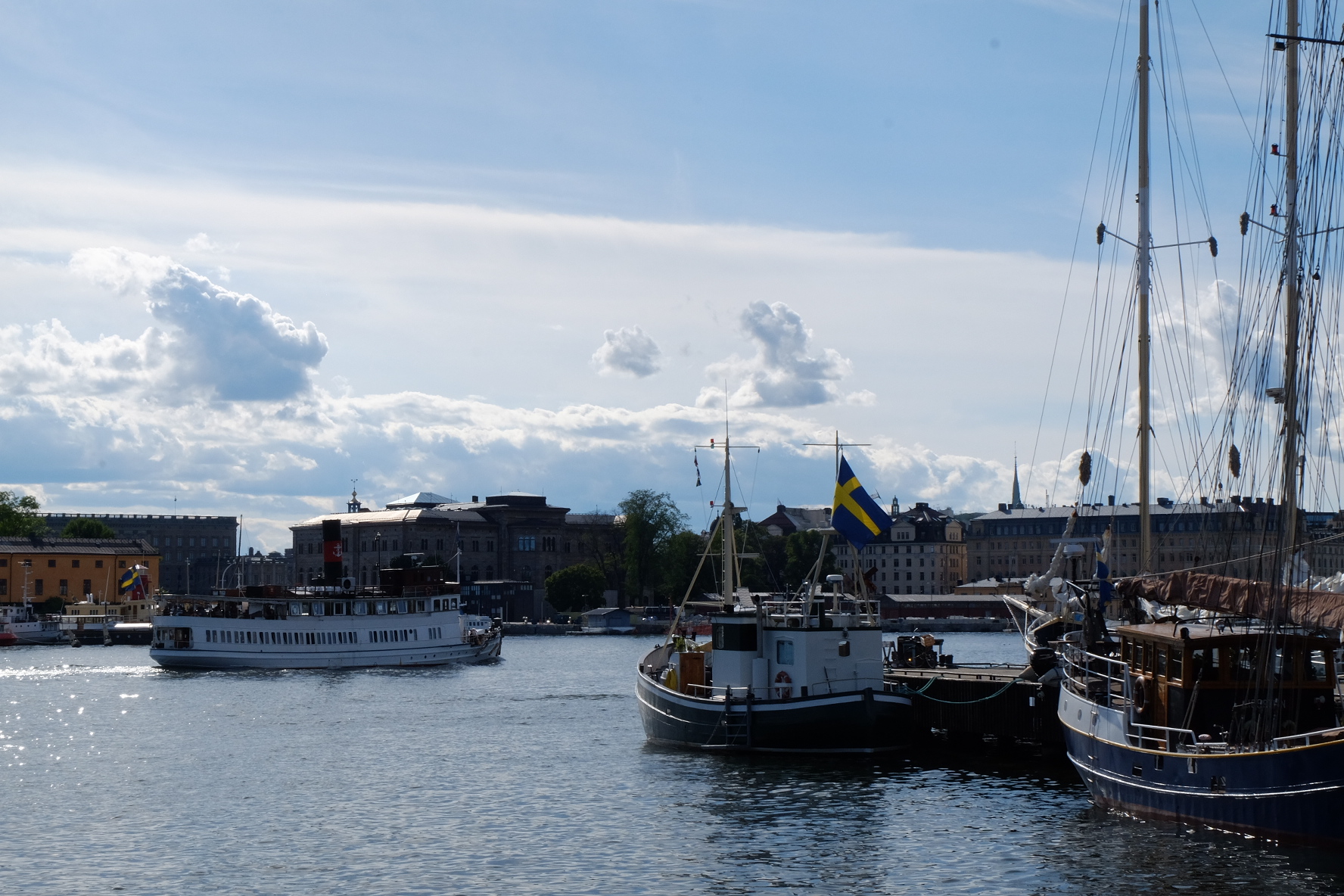
The regimented air of the palace grounds is left behind, as I walk along a long boulevard towards the water’s edge and onto the mainland area to catch a ferry. The ferry tours allow for the best possible vantage point to learn of the city’s history since the waterways are where the city evolved from. Beside the Strömkajen ferry terminal, I grab an ice cream from a small black van that sits beside a moored older triple-masted ship that vastly contrasts the sleek modernity of the ferries and water buses that dominate the public transport system here, alongside a very efficient underground metro and overground tram system.
From a slightly crackly headset, the English translator tells our boat about the traditions and histories of Stockholm’s outer and inner islands on the 2 1/2-hour journey. At nearly eye-level with the harbourside, we pass fruit and veg allotments, boulders with recreational climbers hanging off the sides, an immense ski slope and waterfront floating restaurants and houseboats used for living and workspaces. On one occasion, I spot a floating tennis court, from behind a boulder. Likely a bad idea for anyone with motion sickness, but nonetheless a great space-saving alternative, and I wonder if the person fishing the balls out of the water is paid well.
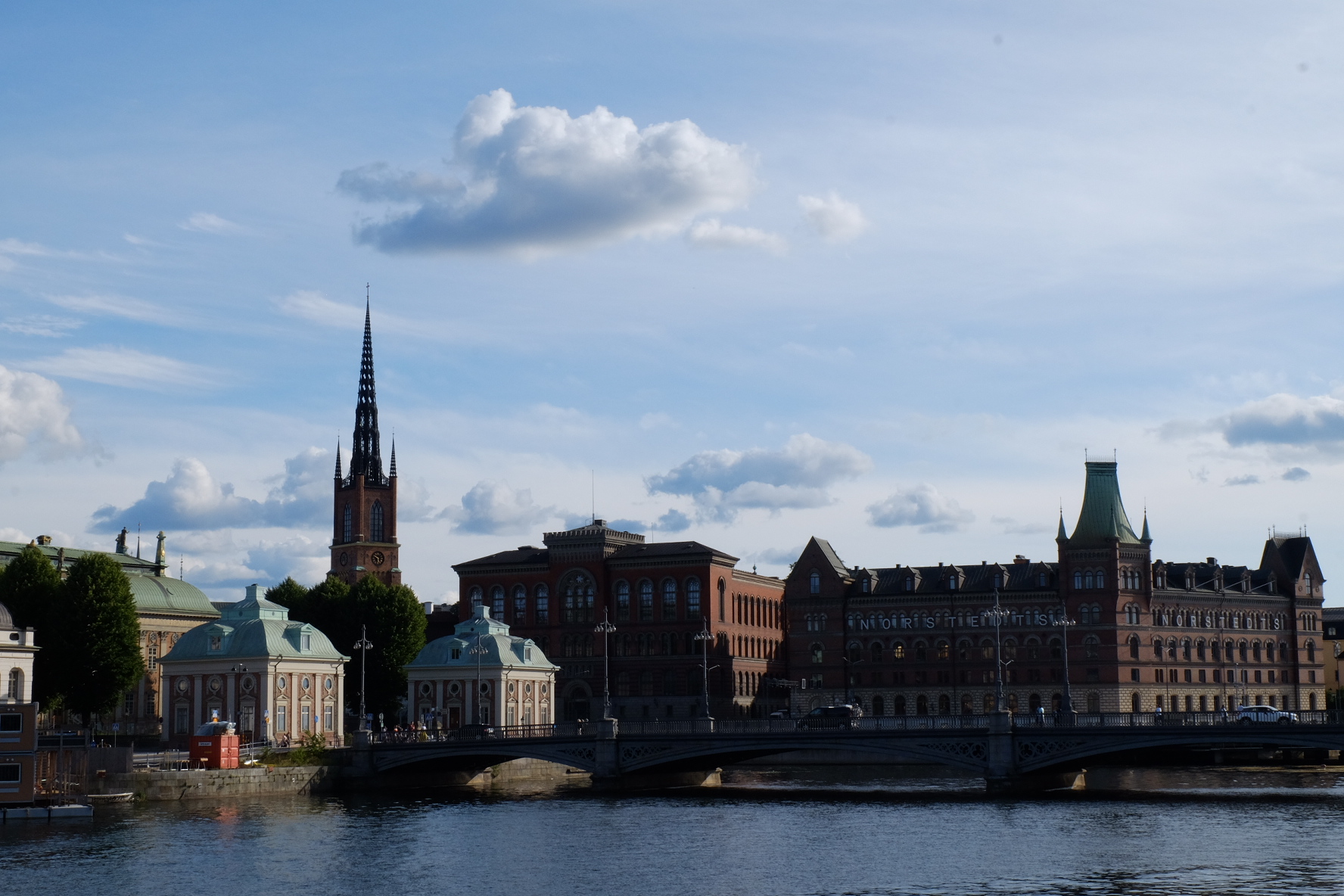
Once my feet are on solid ground again, I wander over an ornate pedestrian bridge onto Djurgården that essentially hosts the largest collection of museums in one place I have ever seen. Alongside the island of Skeppsholmen and the banks opposite, the sheer number of museums here is a treasure trove of history waiting to be explored. I visit the famed ABBA museum (of course) and step inside carefully crafted time capsules of the band’s origins from recording studios to brightly coloured music video sets.
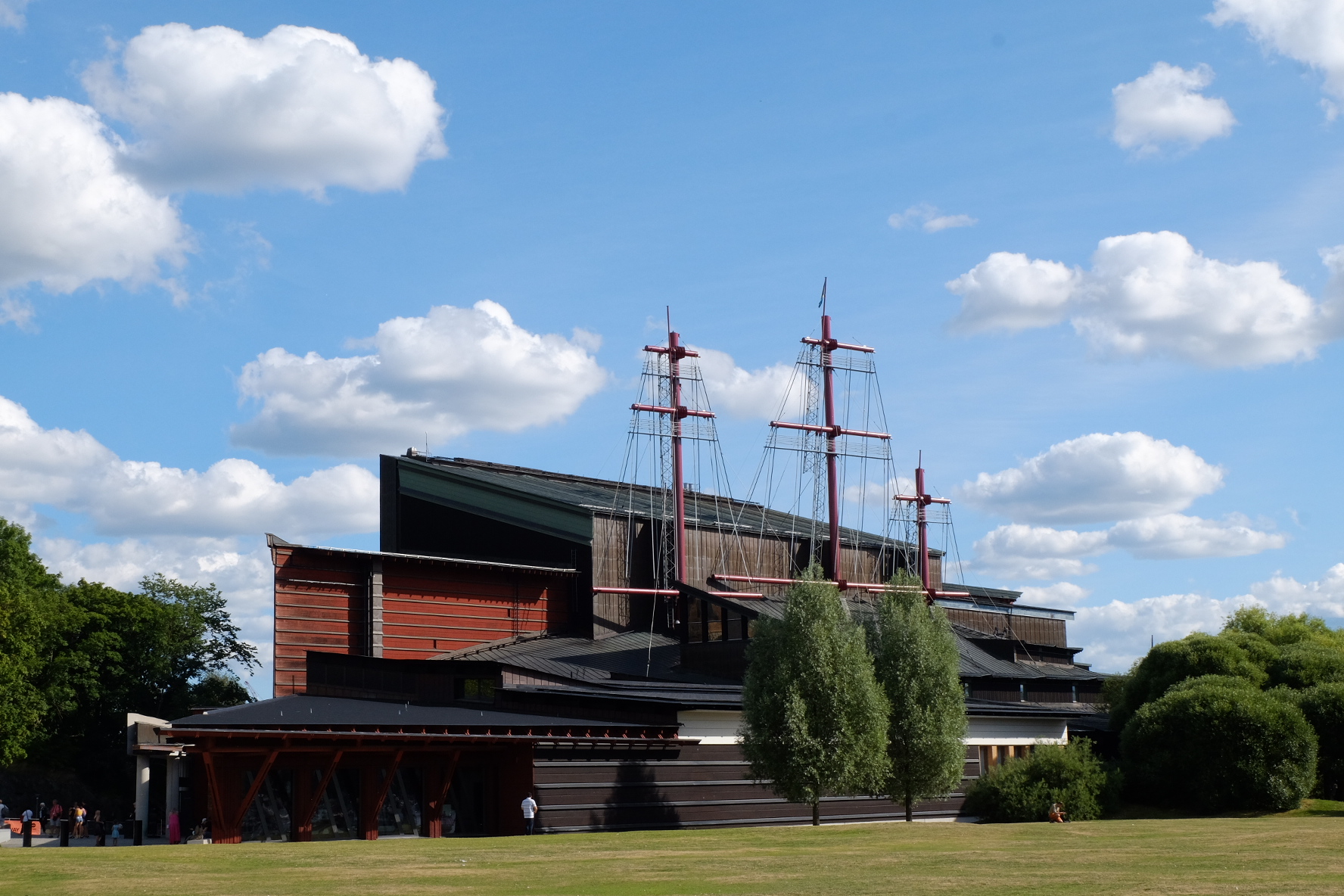
Next, crunching along gravel paths under large tree canopies, I walk to find the Vasamuseet where one of the world’s best-preserved warships is housed. The 17th-century Swedish vessel Vasa, sank just 30 minutes into its maiden voyage and remained on the ocean floor until the 1960s when salvage attempts led to the opening of Scandinavia’s most visited museum from the 1990s onwards. The museum can be seen from afar due to its characteristic 3 masts sticking out of the roof to represent the true height the ship once stood at.
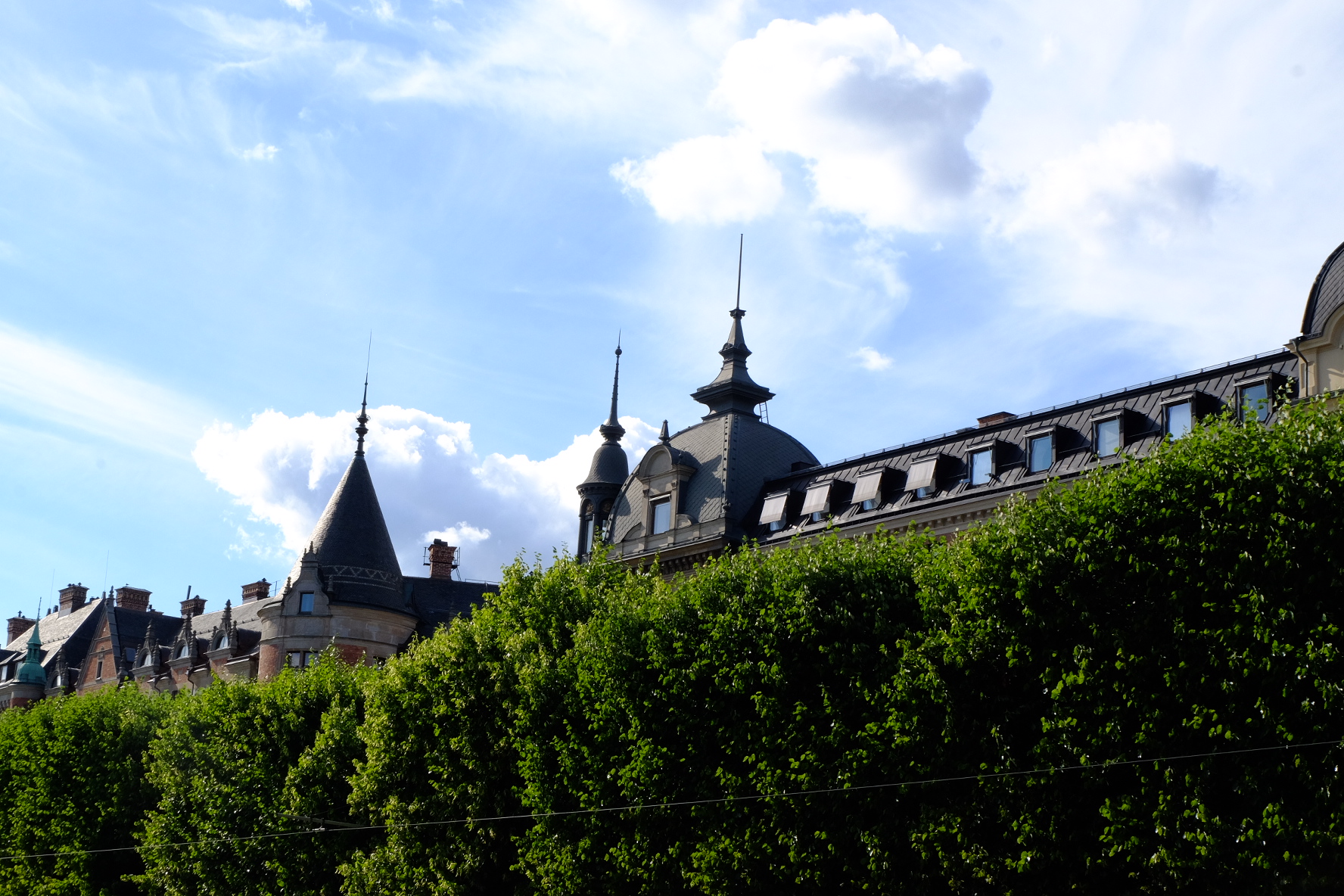
The chatter of people along the waterfront of the Djurgården brought me to several beach bars and moored wooden boats with multi-coloured flags fluttering in the late afternoon sun. The purpose of this wander was to engage in Sweden’s national pastime of Fika – a designated time to engage socially or take time out over a drink and a sweet treat that can be taken multiple times a day. In this case, the popular choice is to eat Kanelbullar or Kardamummabullar, Swedish cinnamon or cardamom buns. The sweetness combined with sugar crystals make for a delightful experience, paired best with a bitter coffee sat on the harbourside looking towards the beautiful renaissance rooftops of the old town, reflected on the shiny glass windows of passing ferries taking commuters home for the day.

The tradition of Fika is similar to that of many Scandinavian traditions which seem to centre around taking quality time away from the chaos of the everyday. To engage with something that will meaningfully benefit you mentally and physically, and allow you the space to simply exist without need for anything more.
My brief time in Stockholm taught me exactly that.
That time is meant to be taken to enjoy the things you value most, be it learning, seeing, smelling, feeling or even eating a cardamom-infused treat with your legs dangling over waters that Vikings sailed through centuries before.
“Var fågel sjunger efter sin egen näbb.”
“Each bird sings according to its own beak.”
– Swedish Proverb
 For Wanderers and Wonderers