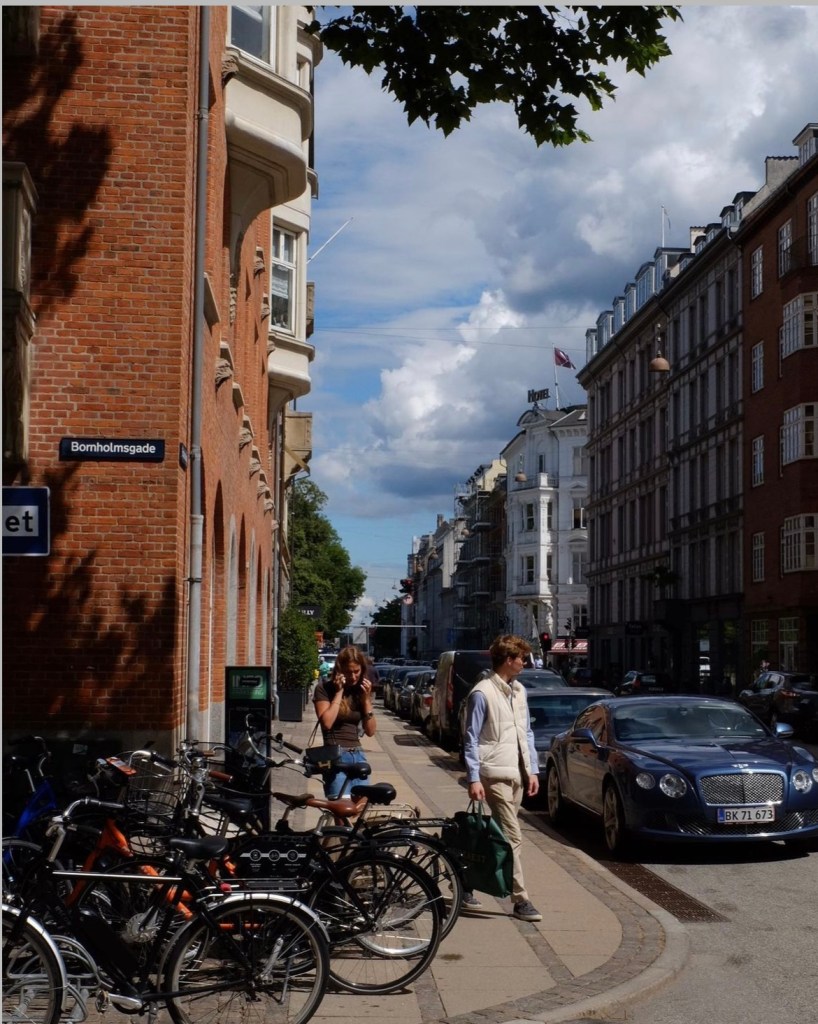
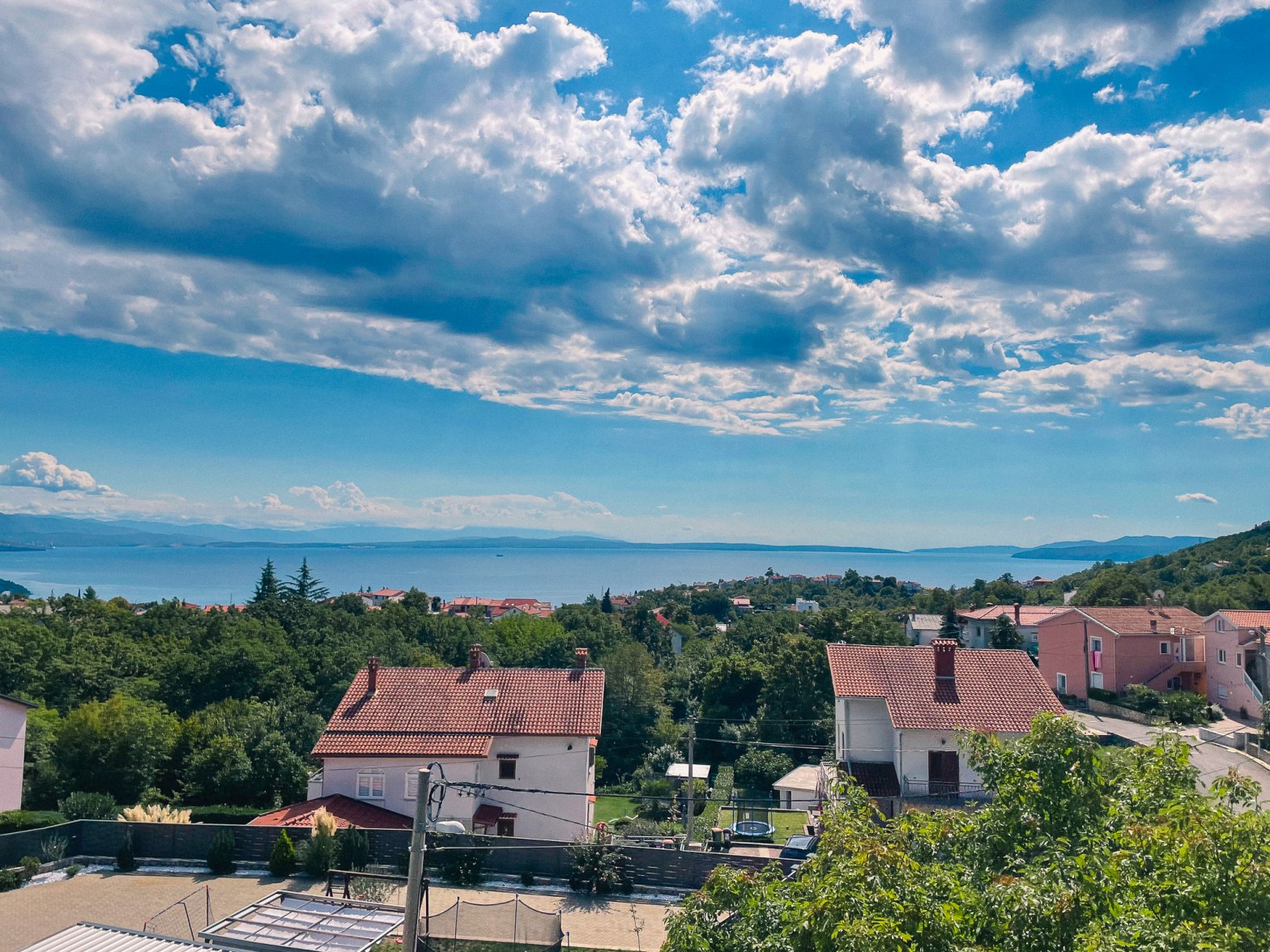
The 20s are a highly documented time in our lives.
From podcasts to posts to infinite films and songs documenting the process of being young, I feel, though, that not many come close to capturing the anxiety of indecision that comes with being in your early 20s.
I know to some that may sound dramatic or ungrateful, and I am grateful, of course, to be experiencing this part of life with my health and body still able to support me fully. But that doesn’t discount the parts of my mind that wander and wonder why a constant sense of inadequacy lingers, and the feeling of being stuck becomes a constant.
It seems that much of the media focuses on the late-teen phase of life. The end of school, post-structure, learning that your parents are human, kind of phase is romanticised and yes, appears hard, but at least then I was hurting for a reason. I was stressed, tired, or sad because things were ending: school, friendships, and life as I had known it were coming to a close, and something new was on the horizon.
Films like ‘The Edge of Seventeen’, ‘The Breakfast Club’ and ‘The Perks of Being a Wallflower’ come to mind.
Now I am responsible for new beginnings in a way I wasn’t before. I have the privilege of choosing my path from here and lots of new knowledge in my brain from my years in the education system, but not the knowledge to see how to follow through, and a profound sense of fear around failing.
“The early 20s are for getting things wrong, for messing up, for figuring out who you are, for trying new things, travelling, exploring, loving.”
Can I simply exist instead?
Can I stay in one place without feeling like I’m wasting my life, or not feel dejected when others seem so put together, while I remain a mess?
It feels like an uphill battle against a rolling boulder covered in barbed wire. Because what is the right choice when you don’t know what you want?
Or when you know what you want on a grander scale, so anything less than that feels as close to failure as it gets without actually failing.
I finished University recently and discovered that the pride I felt in myself was mainly for surviving the experience. There were fun parts and moments of learning, but a large part of me felt a little disheartened by the fact that the stress and loss of sleep and pain of sorting through my own emotions weren’t that fun. It was hard. Most definitely a learning experience, and I am, of course, a very different person now with a better perspective on life. However, it was hard nonetheless, and I feel that it doesn’t get talked about as much as it should.
In a time where more and more achievements, education and qualifications are needed to even approach the job world and its overcompetitive nature, burnout becomes rife among us young people who mostly just want to find something we love and are good at without having to just survive all the time. Money becomes the goal, not the side-bonus, and we settle into these lives of necessity where we convince ourselves that the small moments are all the happiness we need.
So what if I want big happiness and wide open spaces and a job that both inspires and challenges me for the right reasons?
Isn’t that what being in your early 20s is supposed to be about, figuring out how to get?
Or are we meant to sit back and just obey when told that that is asking for too much?
Why is it unrealistic to look at the emotion and beauty of art and films, and music as models for an ideal life when those things were created by people who loved doing them, those who were inspired to create with love and meaning and reality in mind?
I watched a TED talk recently on how schools can kill creativity, and a part that stood out was when Sir Ken Robinson said:
“Academic ability has come to dominate our view of intelligence.”
What truly defines intelligence? I guarantee each person has their own opinion, be it the number of degrees on their wall, the ability to teach thousands or simply to paint a picture.
At University, I was taught to value intelligence based on a numbered grading system that was subjective to an individual’s view of a paper. That value was then something I came to equate with my self-worth and thus became my only focus. The spiral began from there.
Now I can see more clearly that I was wrong, despite what each deadline tried to force me to value, instead of myself, my health or my ability to see a future for myself. I control my self-worth, not a number.
I see now that my early 20s are filled with anxiety, but also with a capacity for so much hope and laughter, and excitement for a future I cannot see yet. I see that I have a capacity for loving something in my writing, knowing myself a little better through the words and phrases and photos I take, no matter how many times I feel like a failure or that I don’t deserve to pursue it.
It has taken everything in me to find that midpoint, and each day is a balancing act. Imposter syndrome is a close friend and confidant, and anxiety continues to take my voice as soon as I open my mouth. But what remains is quiet ambition that will get louder with time.
I will not always be in my early 20s.
I also didn’t stay 17 forever, even when I thought I would.
So I keep going. I keep dreaming and imagining this life where I work for myself and have the freedom to choose my happiness in big or small ways. I will write for the love of doing it and capturing the beauty of the outside world and the people in it.
I will keep getting out of bed even when I want to stay under the covers.
What matters is that we try. Because to try is to care about how we live our lives, and we deserve better than just surviving each day.
To those like me in the midst of incertainty, you deserve better than that and so much more.
It’s your first attempt at this part of life, so cut yourself some slack.
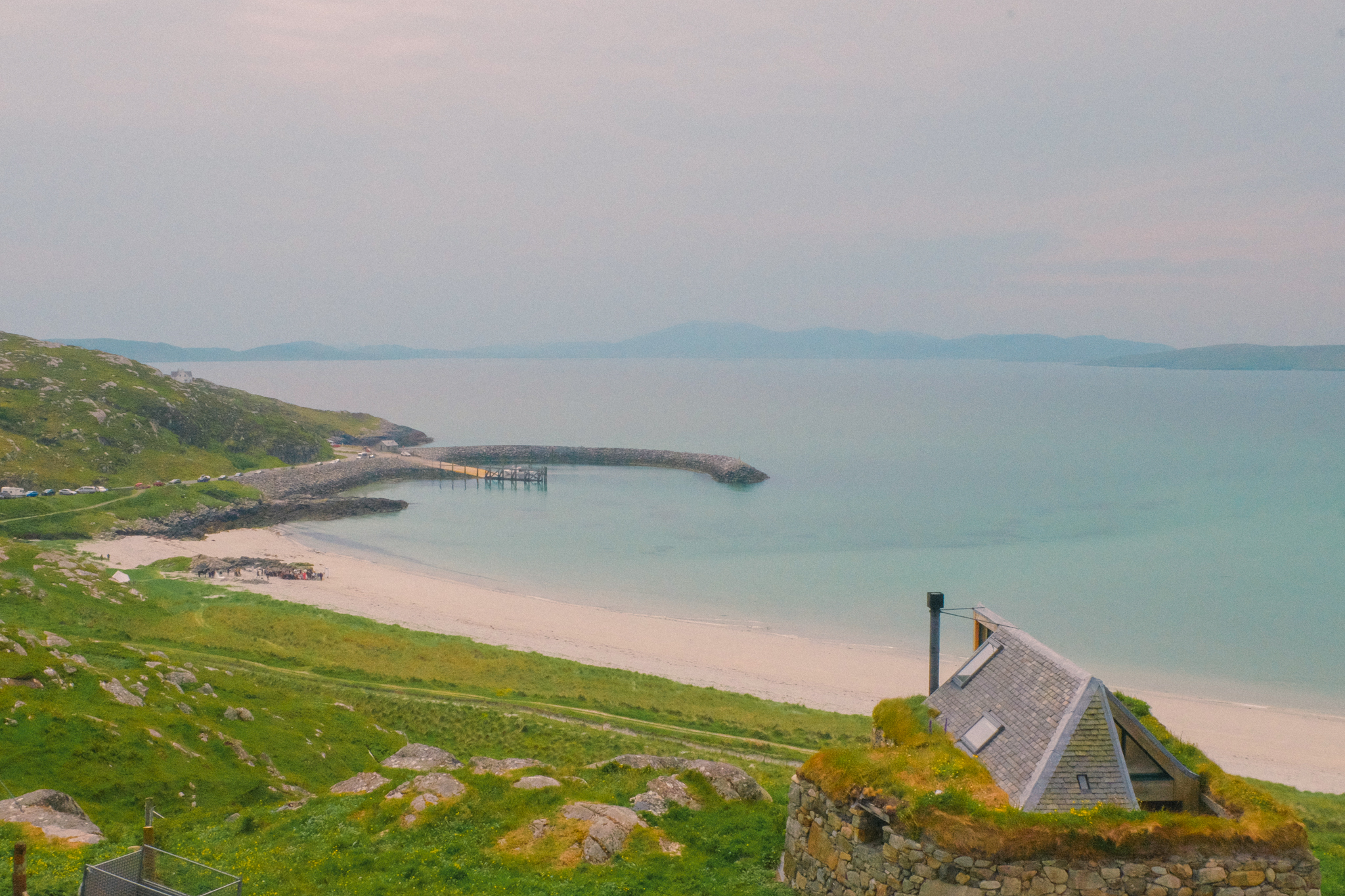
The water here is bluer than the holiday brochures of Mediterranean all-inclusives and Caribbean cruises. Even better, there are more sheep, too.
So, I couldn’t help but gasp aloud as we rounded the next bend and another bay appeared glittering with bright turquoise water, the sand underneath a pristine white.
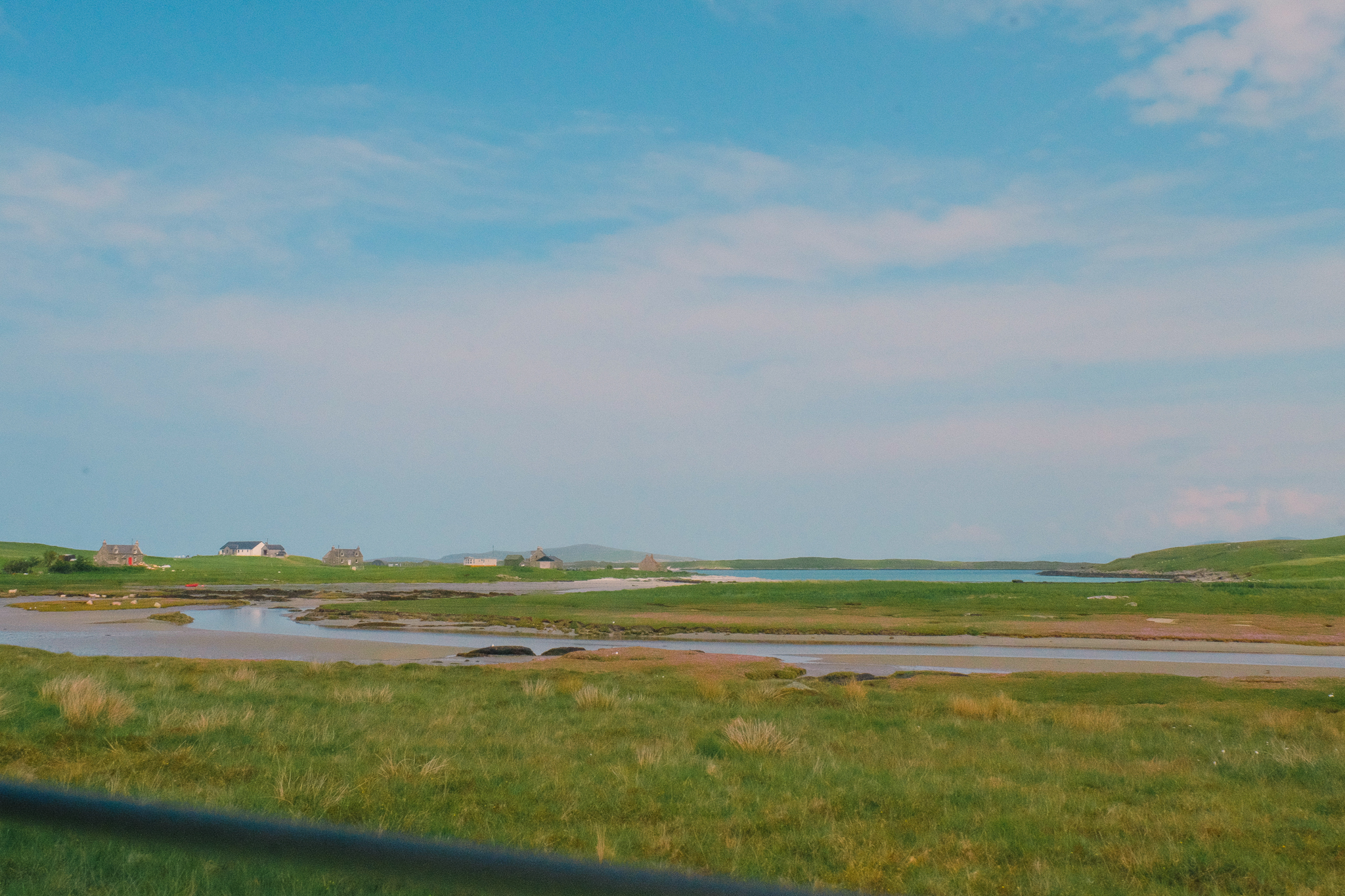
The land that the water crashes against is lush and green, with rocky erratics dotting the landscape. These large boulders left behind after the last glacial period outnumber even the few houses of the permanent residents that inhabit this island.
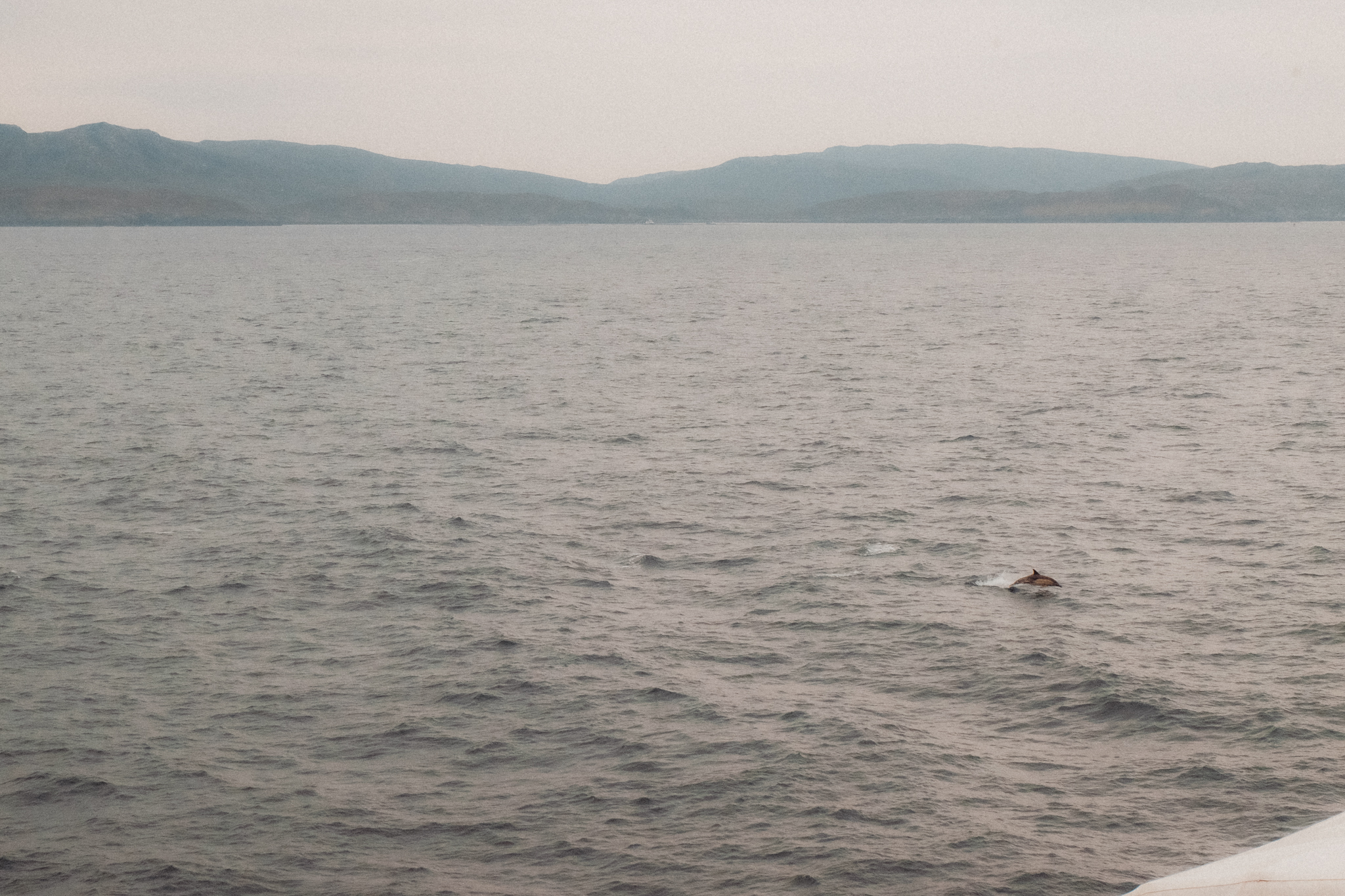
For years, I have wanted to come here. I had heard stories not only of the water but of the wildlife, and the ferry ride from the mainland didn’t disappoint. Three pods of dolphins and a lone minke whale dodged and weaved beneath the frothing wake of our vessel, and on the horizon floated the ghostly, yet jagged, outlines of the Isles of Skye, Rum and Canna.
However, do not be deceived. The sun is rarely a common visitor here, but the grey skies lend their own calming blanket to this brown and green landscape, dotted with shocks of purple heather.
Uist marks a significant portion of the Outer Hebrides. It’s long, lengthy span stretching north to Harris and Lewis and south to the Isle of Barra is frequented by many a walker or cyclist traversing the Hebridean Way – a route of between 150 to 185 miles from Vatersay to the Butt of Lewis. Or you can go by road, which was my method of travel.
Uist through the lens of van-life was a constant discovery of surprisingly well-paved roads to dirt tracks and friendly campsites alongside rainy beach park-ups. All in all, a diverse experience.
The southern Isle of Eriskay boasted the beginnings of the beaches and crystal clear waters I had been promised. There are few better views I have had when having lunch.
Heading northwards past the remnants of the Cladh Hallan Roundhouses, I walked along the blustery shores of Kildonan beach. The smell of seaweed pierced the air, and I wondered if I would have to keep wearing a woolly hat in June.
The fields here often stand empty but those that aren’t boast many inland lochs and marshes. Others have sheep grazing within but often outside of the fences, so I relentlessly kept a watchful eye on the road for any quick footed strays.
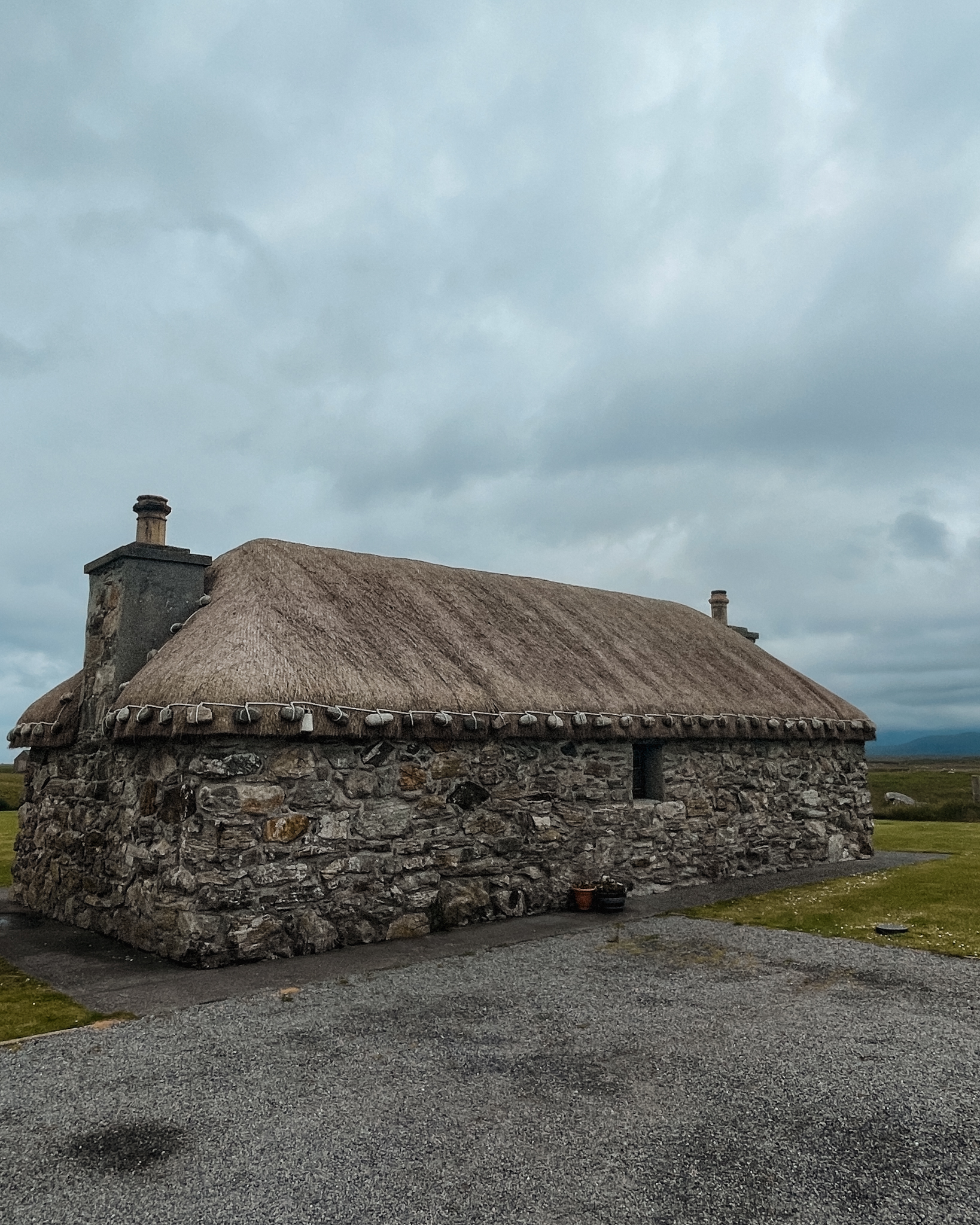
On the way to the Hebridean Jewellery Cafe – one of South Uist’s few attractions – I drove past a series of holiday cottages decorated in the traditional thatched style of the past. The lightly coloured thatch lay in neat and clean segments with smaller stones hanging at the base to keep the roof weighed down and intact.
The first stop for the night, however, was a campsite on the southern shore of Benbecula, Uist’s middle peninsula separating the south from the north. The friendly owner greeted us with a cheerful wave and the wonderful news that the showers here were free to use, no coins needed.
It really is the little things :).
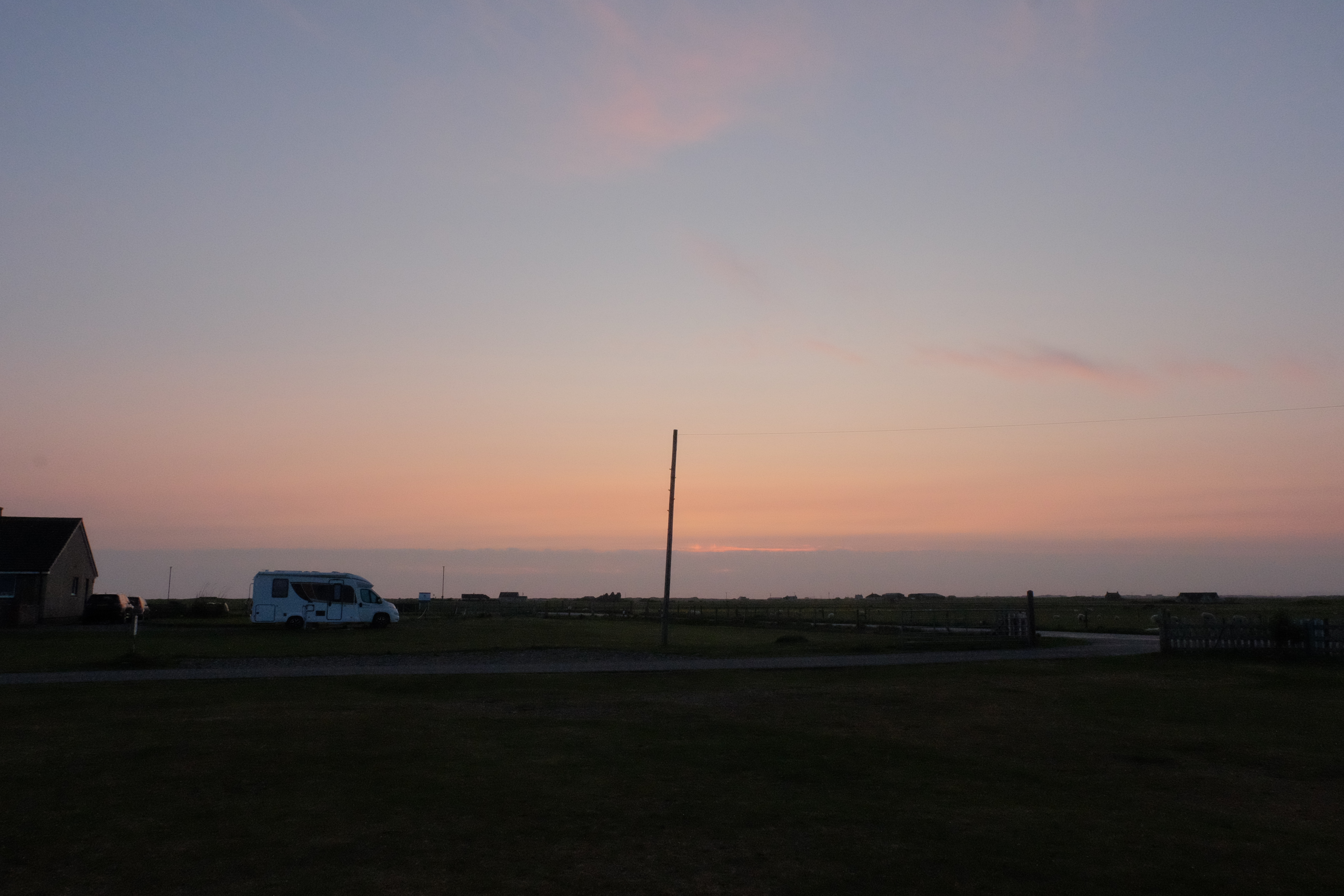
The campsite was small but fully equipped, and I cooked with the windows of the van open as the sky grew dark and the clouds scattered, leaving a reddish-orange sunset. After brushing my teeth, I knew little sleep would be had as I received hopeful updates from my Northern Lights App that there was a high likelihood around midnight.
No luck. By the morning, I was tired and a little downtrodden at the lack of visible solar flares; however, the weather quickly switched things up.
Sun!
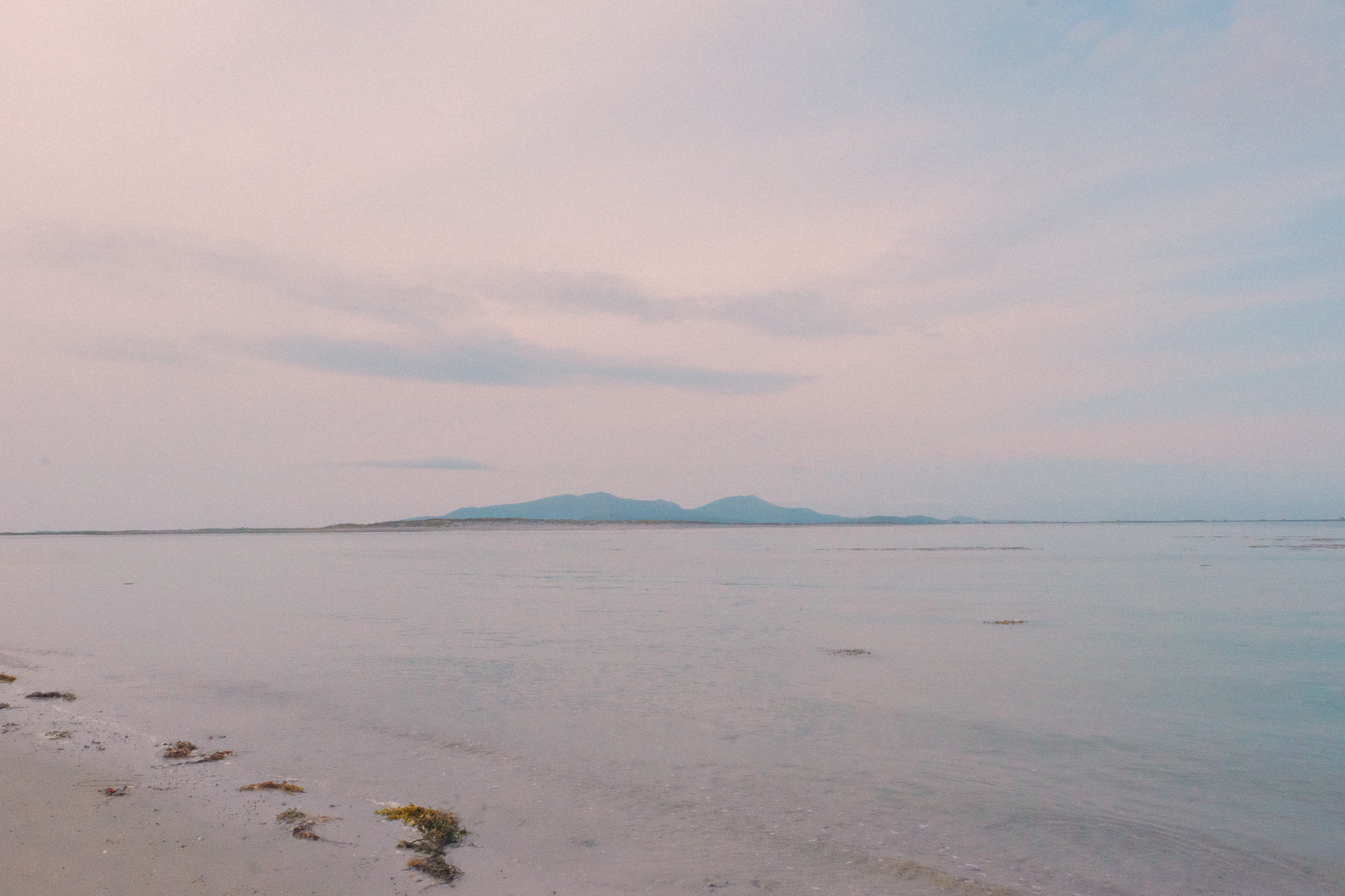
Uist in the sun was another world entirely. From the beach, I could see all the way over towards South Uist and the mountains on the eastern coast, including the tallest, Beinn Mhòr, which literally translates to “big mountain”.
Once the van was packed up and the bedding stored, the drive north became less land-based and more a drive on causeways over lochs, rivers and ocean inlets. North Uist is much less of a solid land structure and more an archipelago of islands and connected landmasses.
In the sun, however, and the woolly hat now abandoned in favour of sunglasses, driving across these causeways felt like driving on the roof of the world. Blue reflected in blue and interspersed with bits of green and grey, and the horizon blended with the ocean surface as the van wound its way northwards again.
The next stop was the Balranald Bay Nature Reserve. The perfectly U-shaped bay was rimmed with white sand and flanked by grassy dunes. When walking towards the headland, I felt jealousy flare at the houses nearby and those that could live here permanently. Instead, though, I let the gratitude at visiting this part of the world wash over me, as I dipped my toes into the lapping waves.
Now, I am quite the avid cold-water swimmer, but even I had to admit that this was cold for a sunny June day. The North Atlantic rarely warms to a reasonable temperature. Either way, it was a nice wake-up call, and once I turned around and headed back towards my mobile home, I glimpsed the first evidence of the famous machairs the other visitors I had met on the ferry had told me about.
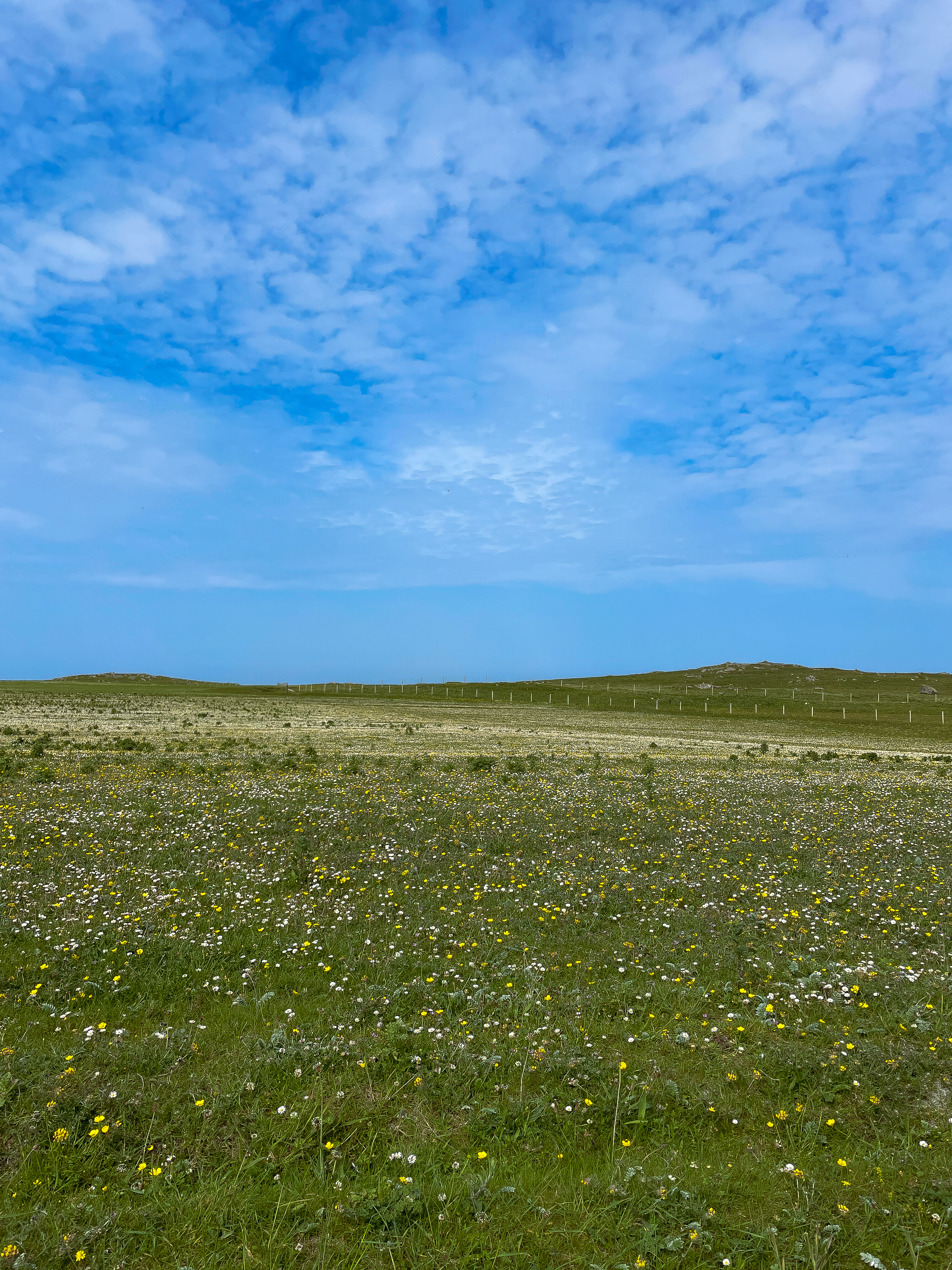
Machairs are fertile, low-lying grassy plains often used for grazing cattle, but I found their main characteristics to be an abundance of wildflowers, endless buttercups and daisies growing all over. It truly was a blanket of white and gold that shone in the mid-afternoon sun, and a place I imagine would be lovely to lie down in. Perhaps instead of ocean bathing, I would try machair bathing.
On the road up to North Uist’s final peninsula, Berneray, I looked out at the passing houses and felt like I was watching a very different lifestyle from the past unfold. In recent years, the Isles have struggled with a loss of young professionals moving away to the mainland for better opportunities with jobs and education. There is still evidence of the crofting lifestyle that dominated the centuries of life here with livestock farming, fishing and now tourism feeding the local economy. However, there is also an influx of new inhabitants building modern houses against the Uist backdrop, their hulls of steel, wood and glass starkly contrasting the older stone houses of the 1800s and the rendered homes of the 1960s and 70s. It truly shows the evolution of life here, even if so much remains untouched.
On the long beaches on Berneray and North Uist, without another living soul around, you could imagine being the only one left on earth. The peace can be both unsettling and deeply calming. For me, it remained much of the latter throughout my time in Uist.
While the landscape and wildlife of not just the ocean, but also the constant presence of kittiwakes, guillemots, corncrakes, and a few puffins, made this Island a new experience each day. And with each stop in a small cafe, rare supermarket or campsite, the people could not have been more welcoming.
Along the roadsides weren’t just the fluffy bodies of sheep but also small honesty boxes filled with locally made food, cakes and artwork to buy in small quantities. A true-to-life testament to appreciating the collective kindness that thrives on this Isle.
That’s the kind of place Uist is.
A mix of colours, lives and wildlife that constantly changes yet also remains frozen in time. A natural marvel of mountainous hills, wide open beaches with no end and green and blue seas foaming onto rocky headlands.
And it’s only a boat ride away, with a few dolphin friends to accompany you if you’re lucky.
“Travel isn’t always pretty. It isn’t always comfortable. Sometimes it hurts, it even breaks your heart. But that’s okay. The journey changes you; it should change you. It leaves marks on your memory, on your consciousness, on your heart, and on your body. You take something with you. Hopefully, you leave something good behind.”
– Anthony Bourdain
“Visiting a new place is scary, but here are some top tips to make the most of your travel experience.”
This is what every trained media professional or influencer will tell you when trying to show you the beauty of a place through rose-coloured glasses, in which they show themselves on top of a mountain or walking through a bright, bustling market. The “but” obscures the actual process of arriving in a place and being faced with the fears and insecurities that come with being a foreigner, and the fact that you are usually being perceived by all those around you. Or that’s what my mind tricks me into thinking.
The truth is, people will look but won’t remember. The glance you think is judging you is extremely temporary before the person continues on with their day. They are thinking of their own issues and tasks that need doing instead of considering your clothes, origin or when you last showered. It really is that simple.
I know that this is something I still need to work on, as a consistent solo traveller. There will always be those days when anxiety takes over and the minute details start to worry me, which quickly turns into worries about my clothing, hair, body and general appearance. I want to be friendly but not too approachable, stylish but comfy, and aware but also accepting that I am tired and don’t want to put too much effort into these things.
This is where I like to repeat the phrase “it’s not that serious” to myself and put the brain capacity I have towards enjoying the present; a reminder that I can control this one moment, which means I can also control the next, and the next. When I tell myself this, I also know I am capable in this moment. This moment is something I have experienced before in some form or other, even if the details don’t match completely, so I am in control of my emotions and body. And it helps. No matter how temporary, it helps.
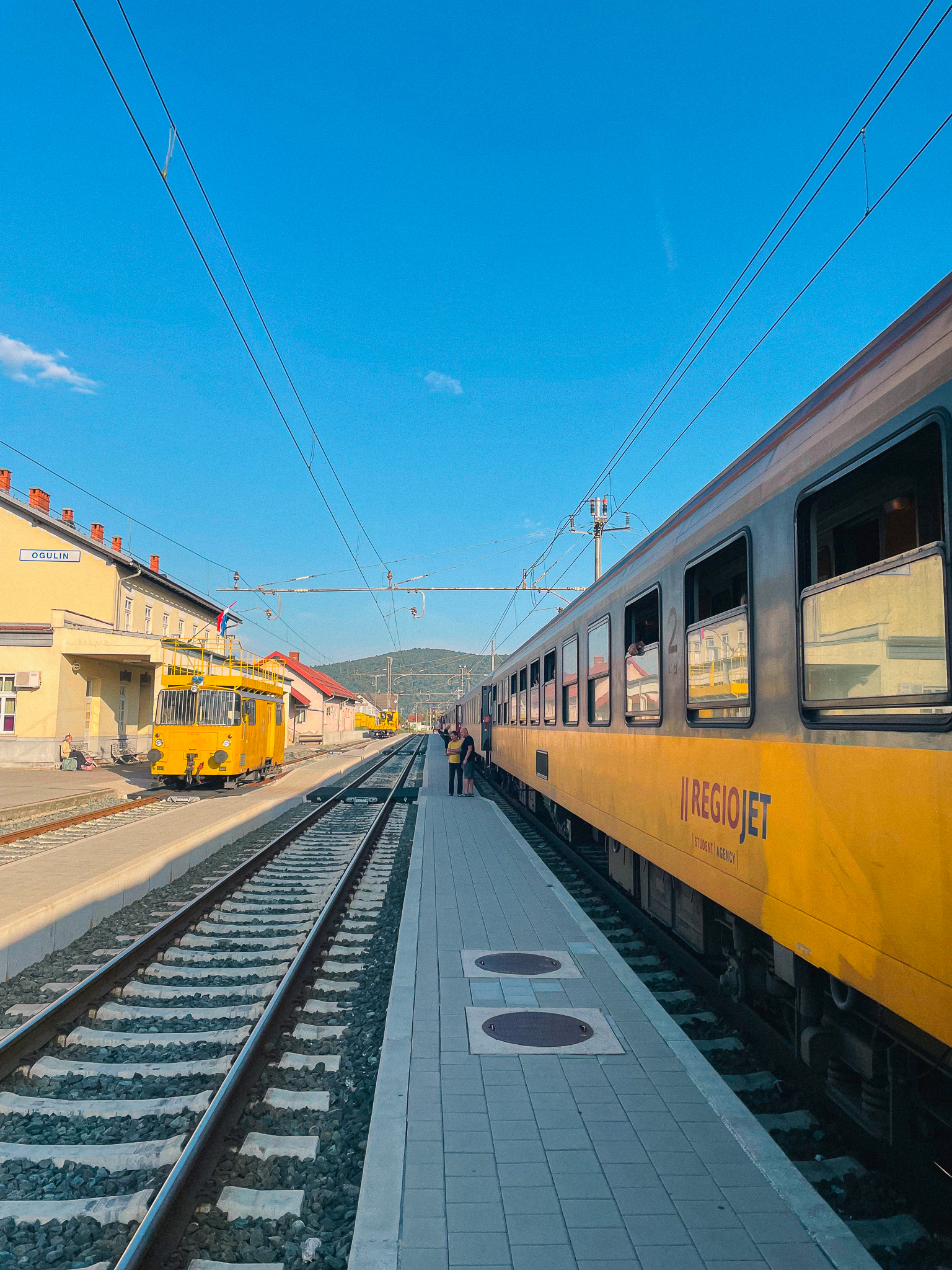
Stepping off a train into an unfamiliar but stunning train station is exhilarating in its own way. I enjoy this more than the stress of the airport since I have my luggage with me and no irrational fear of being detained at passport control. The train station is a crossroads for travellers all over the world to actually walk across each other’s paths, or even walk the same paths as those from a hundred years before, to take a carriage made of glass and metal to a new place that may be a short distance or several countries away. It is a place I know I feel most excited to see before the destination itself, and it’s even better when you have time to sit and watch families, couples, and individuals make their way to their high-speed carriages of choice.
I think another reason why train travel is so much easier is its ease and ability to glide between hills, through valleys and beside rivers, all from the comfort of a single seat. A plane requires so much force on takeoff and landing, along with the added turbulence and the feeling of being trapped high in the air, making it a transport option that is both comfortable and uncomfortable. Trains allow travel to a lesser distance; however, watching the world float by on the ground cannot be replicated anywhere else, and slower travel allows for a greater appreciation of distance and scale.
I’ve gone off topic.
When finally arriving at that train station or airport of that destination and you have found that bed for the night in a hostel or hotel, you are hoping lives up to the reviews you read online, the next thing to do is to go for a walk. To really know a place, I recommend going for a walk in whatever direction takes your fancy and simply going. I don’t look at a map or choose a destination at the beginning. I start walking for at least an hour without navigating because I want to pay attention to the details of a place first.
Without a map, I have the freedom to explore without worrying about a necessary direction or the ‘need’ to get anywhere and may recognise a beautiful town house, a colourfully decorated museum or a quaint restaurant spilling onto the street, the aromatic smells lingering in the air. It’s freeing and something I started to adopt every time I travelled solo because it would usually lead me to things I never would have found or paid attention to. After the hour is up, I can look at my phone or a map and decide on a specific monument, bakery, etc. then, but I had that first hour to just follow my nose and see how it feels to walk around a new area as a stranger, because that is what I am. And it is still something I am trying not to be ashamed of.
I feel so often, as someone who identifies as a solo traveller, or for lack of a better word, ‘tourist’, that we must apologise for our presence in a place we would not normally fit simply because we are different. If you applied that logic to regular societal standards, you would find it stupid because difference is so often celebrated, however, there are many times I felt as though by visiting a new country that I was intruding on a way of life that I had no business seeing. When you view a place as a way to learn about the world, a different way of life and purely from the standpoint of someone curious and non-judgmental, there is no harm you can inflict and therefore no reason to feel ashamed of being foreign.
There are also a great many people who welcome those who are different because they, too, are curious as to your origins and the reasons why you chose to visit their small part of the world. This is often where the greatest interactions come from and the ones that will nourish your life because it gives you glimpses of why you sustain the belief that people are inherently good. That the few people who may have hurt you in life are just that. The few. Not the many.
I have said before that I think everyone should spend at least a month in a place that is entirely removed from their home culture, to really understand how differently people live in other parts of the world. I think living in one place consistently can have its advantages, but it often makes us feel as though that is all there is to the world. I also understand that it is not that simple and that many cannot financially afford to travel further afield, but that doesn’t mean that the attempt at understanding should be abandoned. If someone is new to your way of living, I hope you would do your best to understand how they live differently and accept these differences for the beautiful uniqueness they show to you.
I know that I choose to travel because I want to experience as many different ways of life as I can, because I believe that I will then be able to understand my own life better and the way I want to live it. Because if I stayed in one place, with the same people in the same house, with the same values, that is all I would know and what a shame it would be not to know and experience as much as possible in this life.
There is pleasure in the pathless woods, There is rapture on the lonely shore, There is society where none intrudes, By the deep sea and music in its roar, I love not Man the less, but Nature more…
– lord byron
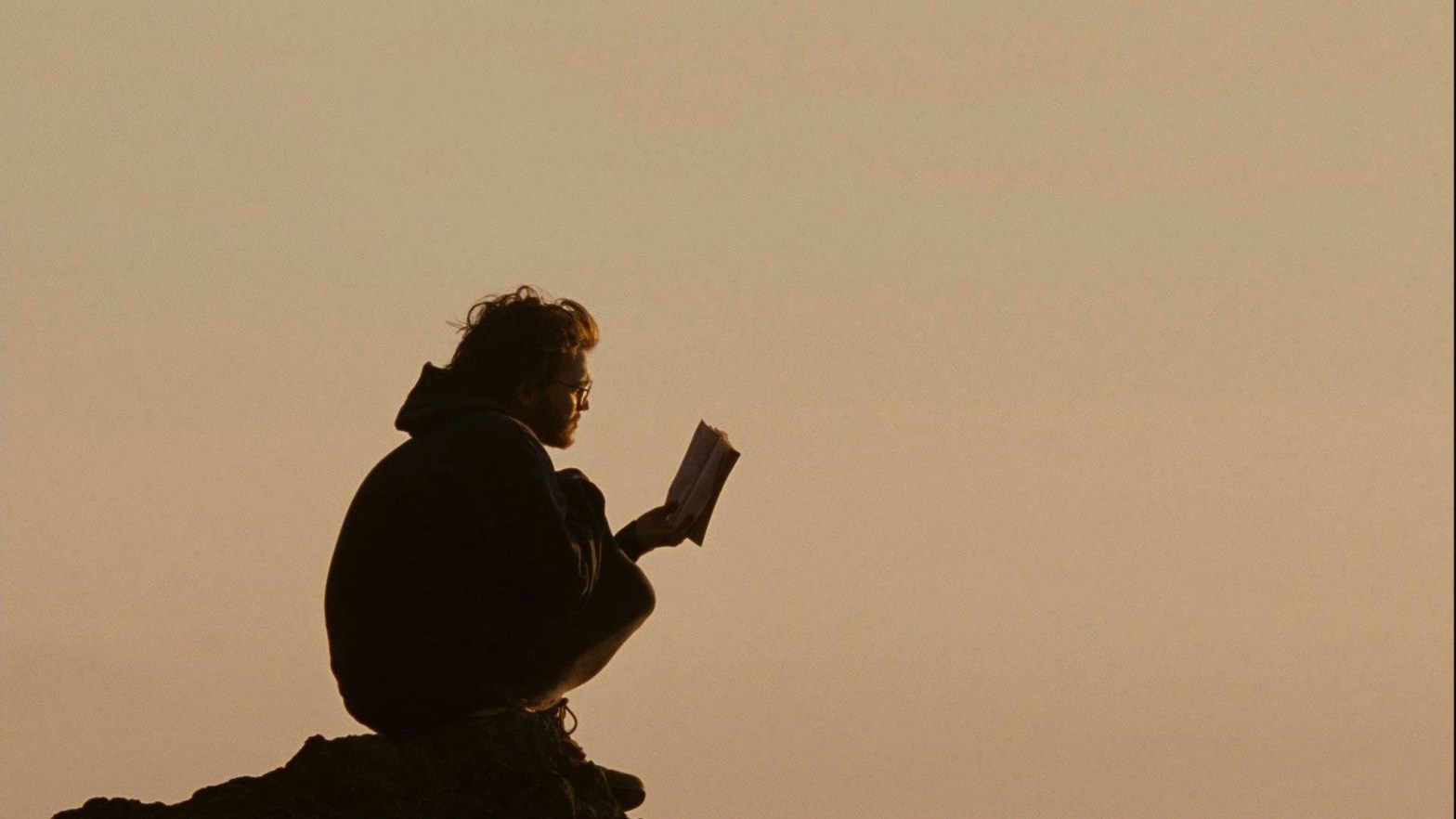
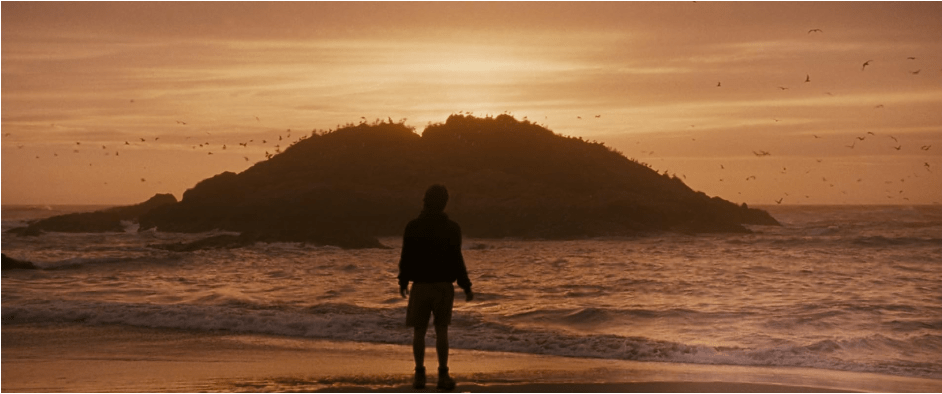
Sean Penn’s “Into the Wild”, based on Jon Krakauer’s book about the life of Christopher McCandless, begins with this poem. The words echo throughout the two hour long visually stunning journey of Chris from College graduate to lonely nomad, huddled inside an old Fairbanks City bus. It describes the pleasure found in nature, away from human intrusions and structures, away from capitalist habits and responsibility and taxes.
The film’s cinematography communicates these pleasures and evokes empathy from audiences seeking escape from societal power structures, namely capitalism and neocolonialism. I’ll detail why film is a valuable medium through which to communicate complex geographical ideas as more than just space and place (Driver, 2003), to make academia more accessible and to move away from purely objective study. I will also detail why visual art and valuing the subjective is important to the future of geography and why “Into the Wild” provides a potent example of these values to a wider audience, encouraging inclusivity, understanding and rejection of the establishment.
Visualising Alienation
Alienation permeates the film, from Chris’ disgust with 1990s American overconsumption to the inward alienation he feels discovering his father’s infidelity, which fosters a deep sense of betrayal. This leads him to create his alter ego, Alexander SuperTramp, a hero who isn’t afraid to wander as far as he can in search of true happiness: from the Mexico Border to Alaska.
The overconsumption, however, is best seen in Chris’s jarring passage through Los Angeles, where Penn’s direction assaults the senses:
“There is steady HONKING of CAR HORNS, WAILING of POLICE SIRENS, AMBIENT HOSTILE BANTER, GRINDING ENGINES OF BUSES, puffs of diesel exhaust choke us.”
Katz’s (2002) theory of ‘vagabond capitalism’ is depicted in the city’s dereliction and the overcrowded, overstimulating homeless shelter where Chris flees, onto the next train heading north. Despite Chris’s desire to live off-grid, he repeatedly runs into the need for documentation, money, and work; the grip of an “unsettled” and “materialist” (Katz, 2002, 709) capitalism mirrors the vagabond status of Chris himself. This reinforces the spatial and internal alienation within Chris, driving him further and further away from societal contact.
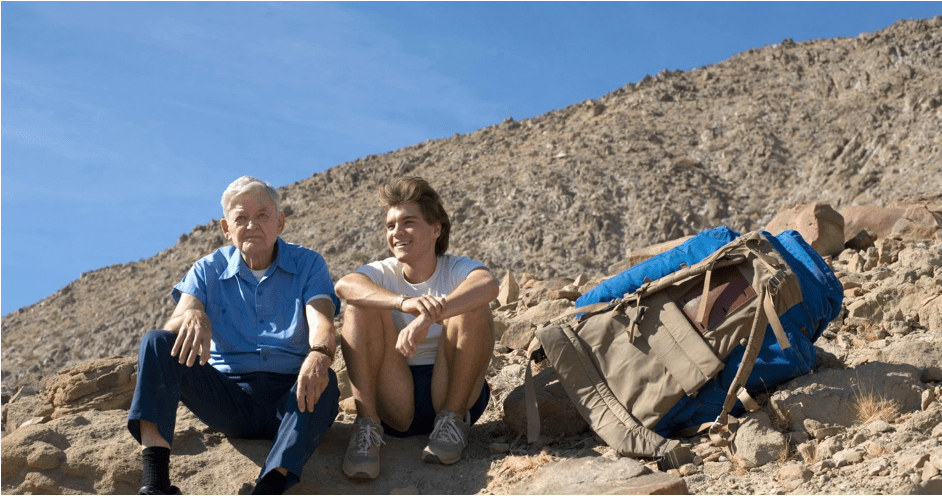
Penn’s direction does, however, critique this kind of wandering capitalism and its persistence even in Alexander SuperTramp’s life by highlighting the beauty of human connection in the people Chris meets along his journey across the US; specifically, other nomads, foreigners, and dreamers who share his desire to explore the world. The vivid expressions of natural beauty that Chris encounters are enhanced by these people: swimming with Jan and Rainey or contemplating life’s purpose with Ron.
(IMDB, 2007a)
(IMDB, 2007c)
These subjective, emotional encounters throughout the film critique the spatial nature of capitalism, instead highlighting the enduring presence of joy, togetherness, healing and emotional resonance. Traditional geographic study prioritises objectivity “to expand its competitive value and leverage” (Oyenuga et al., 2019, 39), much like the persistent nature of capitalism to incentivise progress, “Into the Wild” critiques structures of oppressive everyday life by highlighting the beauty around us, in the oceans and trees but most importantly in the people we meet. The space within the film becomes shaped by Chris’ experiences and therefore socially produced, reflecting a new geography that finds true value in the lived experiences of ordinary people (Santos, 2021).
Challenging Neocolonial Gazes and Deconstructing “the Wild”
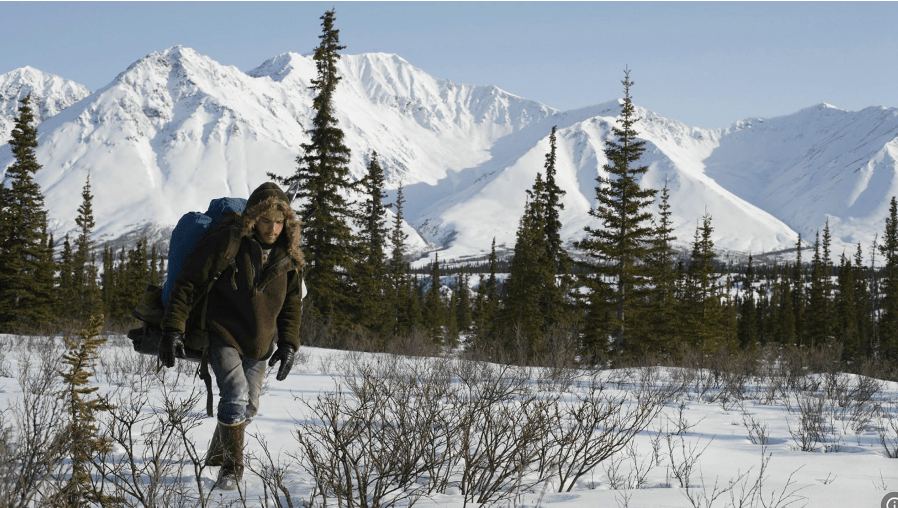
Aligning with this ‘new’ geography, the film both supports and critiques neocolonial narratives surrounding ‘The Wild’. At first glance, ‘The Wild’ is visualised in the cinematography of the great landscapes Chris encounters as he travels to the Alaskan ‘wilderness’ – a place devoid of humans. His yearning to be “all the way out there” aligns with nature as a space of unbounded freedom; however, his naïve preconceptions about surviving alone in this isolated beauty quickly unravel.
(IMDB, 2007b)
Deconstructing ‘The Wild’ as “human free” (Rogers, 2012, 23) and a place of escape from the clutches of capitalist greed and consumerist materiality, becomes the film’s focus as Chris ventures in search of personal growth and identity. The neocolonial wilderness is expressed in the solitude and the subsequent happiness he feels at escaping the perceived constraints of society, that nature should be without human intervention, because it is here that the mind and body achieve the most freedom. The world he escapes is not necessarily one of territorial imperialist boundaries; however, with the introduction of ‘neo’-colonialism, a psychological coloniality emerges that centres classification and ordering as a means of control and superiority (Esposti, 2024), which Chris struggles with after destroying his forms of ID and communication. Furthermore, the origin of Chris’ journey is informed by neocolonial identity models, which he sought to escape (Spivak, 1991) – away from a culture and state that planned his whole life out for him and monitors it as such through work and financial contribution.
The film’s critique of neocolonial gazes on nature as well as the internal oppression felt by Chris is clear but dynamic. His journey to his perceived freedom in the ‘wilderness’ is interrupted time and again by neocolonial avenues both internal and external, but these fail to halt his journey. He arrives in Alaska, excited and existentially inclined as to his life’s purpose and willing to discover his own identity without neocolonial, capitalist structures influencing this; a kind of reformation and resolution to fight against these systems (Sartre, 1964). By questioning these dominant narratives, the audience understands more effectively the emotional drive behind Chris’s desires, eliciting sympathy and relatability in his need for a different kind of existence.
“Look Mr. Franz. I think careers are a twentieth century invention and I don’t want one. You don’t need to worry about me. I have a college education. I’m not destitute. I’m living like this by choice.” – (Into the Wild, 2007)
The Power of Subjective Engagement
Geography has long been concerned with the visual in helping us understand spatial and place-based knowledge (Jacobs, 2024). Doreen Massey championed film’s involvement within geography in critiquing and reordering our global imaginations to construct social relations and identities (Lury and Massey, 1999). However, Lury warned of film as “a refuge, as contrast, as education or seduction” (1999, 232). By understanding the romanticism and potential warped realities of visual art, “Into the Wild” starkly contrasts its beautified cinematography in the final moments of Chris’s life. The sadness and grief at realising that the film does not end happily but with a few shuddering breaths and a quote by a man starving to death in the back of an old Fairbanks City bus, does somewhat distort the rose-coloured lens that incentivises the audience to want to pursue Chris’s lifestyle. I believe that this visceral framing, in contrast to the beautification of a vagabond life, is why this film stands as a potent example of the true pursuit of happiness despite the capitalist, neocolonialisms that may persist.
Emotional resonances such as this are why subjectivity within film should help communicate geographical ideas to a wider audience. While traditional human geography prioritises objectivity when competing with scientific paradigms, what it wants is a lack of personal bias. Hoefle (2022) proposed a model to utilise subjectivity where the audience should be able to step into the researcher’s shoes, emphasising that a shared relational narrative can help eliminate bias without sacrificing the personal lens. It is models such as these that support the need for film as a means of communicating complex geographical ideas, that subjectivity need not be devalued as traditional geography might have, but instead embraces the lived experiences of those with stories to tell of the world, as Chris did.
Towards a Subjective Turn
By tying geography with visual art, “Into the Wild” teaches us to worry less about the validity of emotional and subjective resonances and instead how these narratives can educate and influence a wider audience. Associating art and geography naturally encourages an ‘expanded field’ perspective (Hawkins, 2013) away from entrenched academic practices, which is precisely what is needed in the current social, political and cultural scope to better understand our world and the systems of oppression that may seek to undermine our creative and academic curiosities.
Chris McCandless’ parting message to the world was simple.
“Happiness is only real when shared.”
The need to escape and never have to worry about money, value, or identity in a materialistic, overstimulating, extreme world has never been more desired. But it’s stories like Chris’s that force you to stop and think about the implications, that happiness is the ultimate goal, not escape, and that happiness is only real when you share it with others who resonate with your ideals. Emotional resonance is just that, it resonates in ways we have yet to quantify.
Esposti, N.D. (2024) ‘What Happened to Neocolonialism? The Rise and Fall of a Critical Concept’, Journal of Political Ideologies, pp. 1–21. Available at: https://doi.org/10.1080/13569317.2024.2346193.
Hawkins, H. (2013) For Creative Geographies: Geography, Visual Arts and the Making of Worlds. Hoboken: Taylor and Francis.
Hoefle, S.W. (2022) ‘Objectivities and Subjectivities in Geographical Research: A Philosophical Inquiry into Methods’, Treballs de la Societat Catalana De Geografia, 93, pp. 53–84. Available at: https://doi.org/10.2436/20.3002.01.219.
Katz, C. (2002) ‘Vagabond Capitalism and the Necessity of Social Reproduction’, Antipode, 33(4), pp. 709–728. Available at: https://doi.org/10.1111/1467-8330.00207.
Oyenuga, O.G., Adebiyi, S.O., Dakare, O. and Omoera, C.I. (2019) ‘Knowledge Sharing Limitations among Academia: Analytic Network Process Approach’, Management of Organizations: Systematic Research, 81(1), pp. 39–54. Available at: https://doi.org/10.1515/mosr-2019-0003.
Rogers, E. (2012) Critical Artistic Response to Environmental Neocolonialism Embedded in Wildlife Conservation. Masters Thesis. University of Buffalo. Available at: 10.13140/RG.2.1.4282.4566.
Santos, M. (2021) For A New Geography. Minneapolis: University of Minnesota Press.
Sartre, J.-P. (1964) Colonialism and Neocolonialism. London; New York: Routledge.
Spivak, G.C. (1991) ‘Neocolonialism and the Secret Agent of Knowledge’, Oxford Literary Review, 13(1), pp. 220–251. Available at: https://doi.org/10.3366/olr.1991.010.
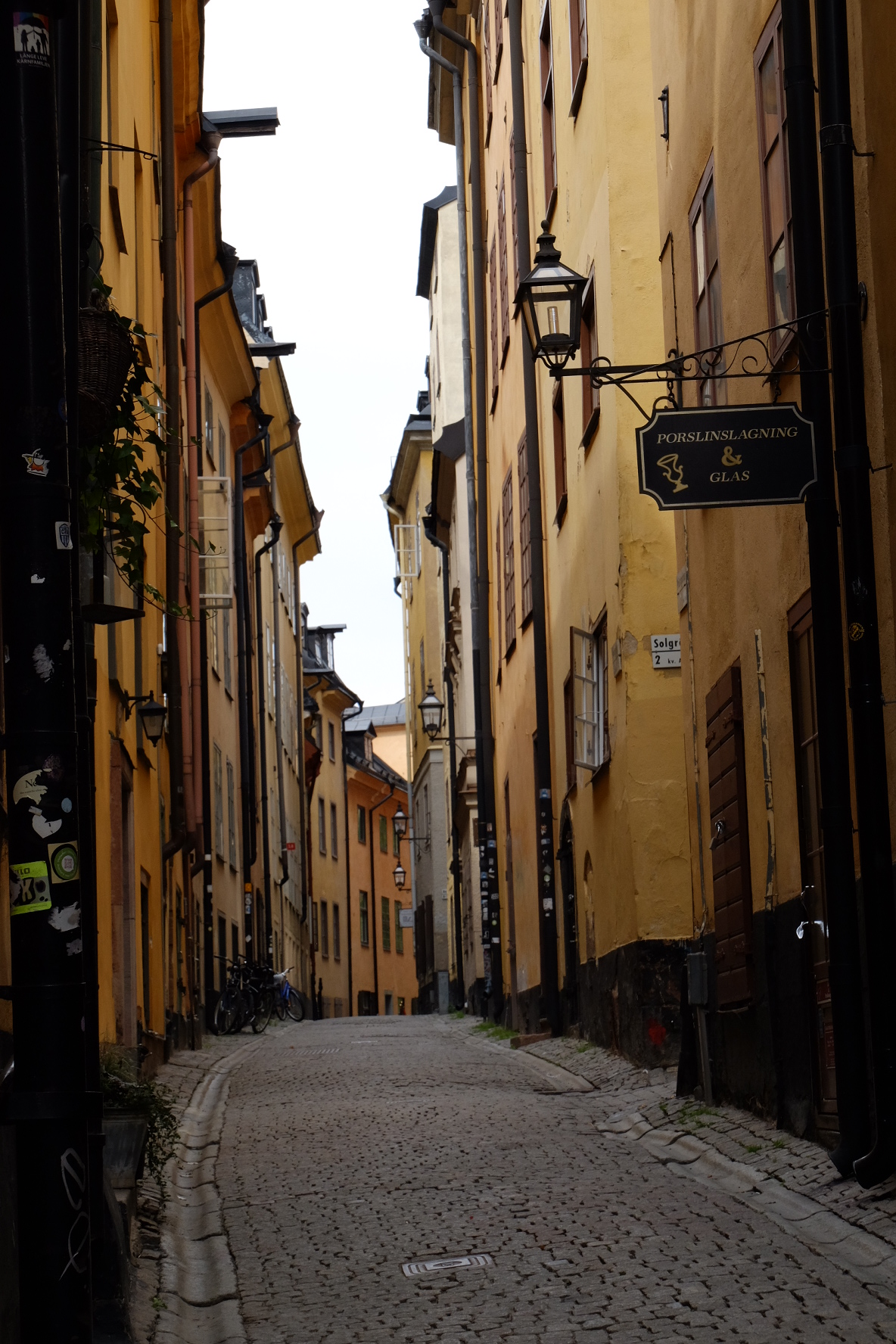
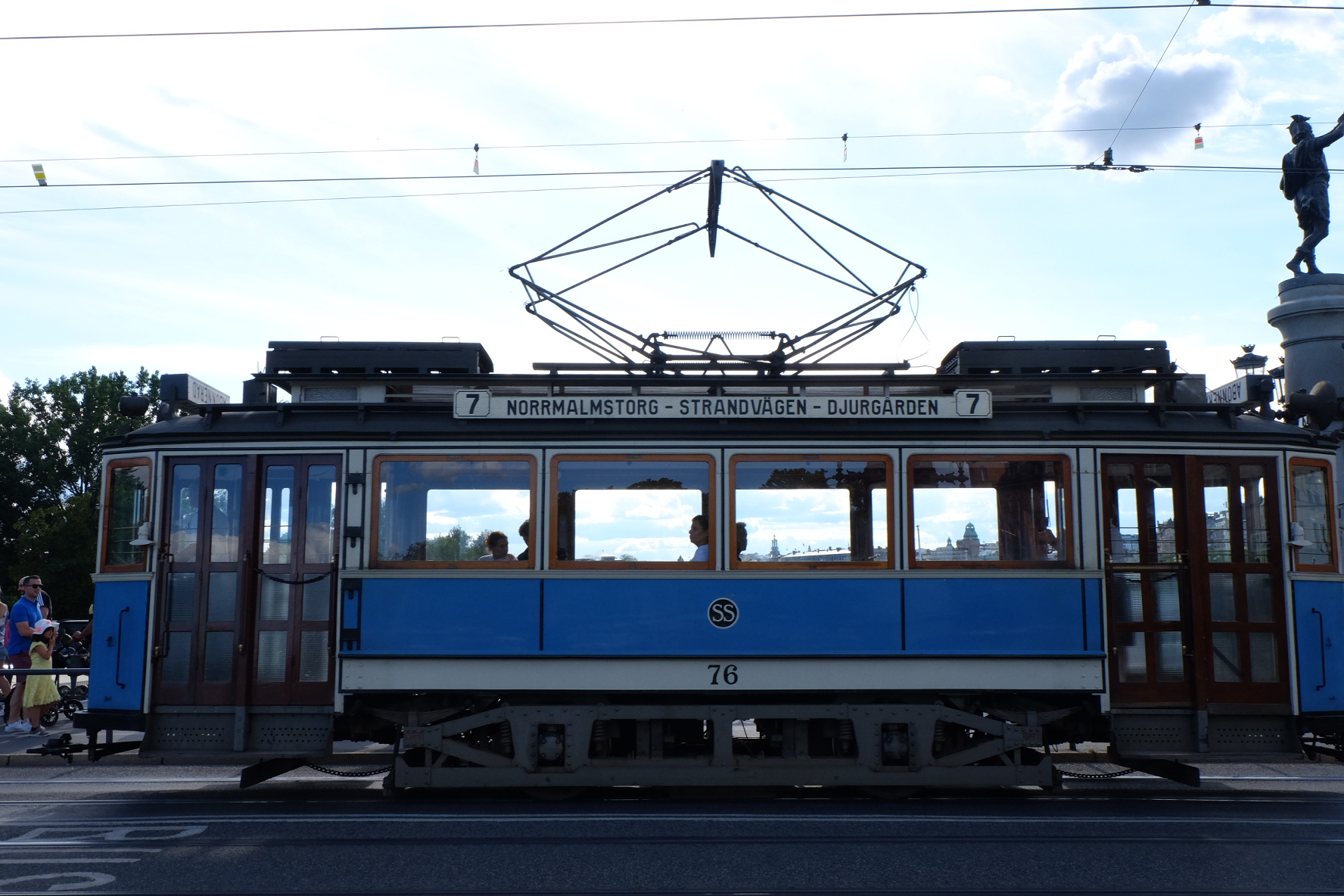
The clicking of my camera accompanies my walk down a copper-coloured alleyway with a glass-blowing merchant on my right and a green shuttered townhouse on my left.
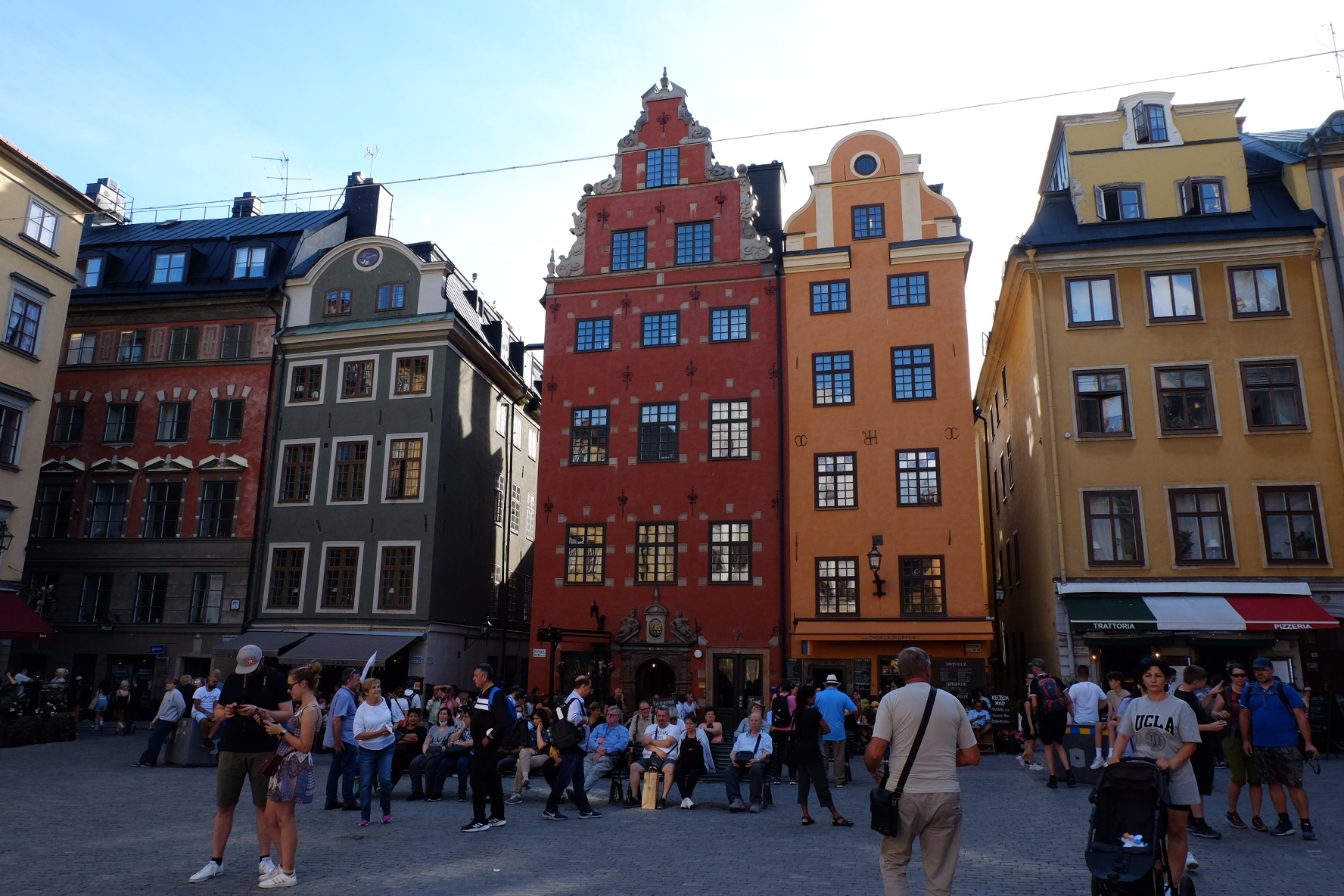
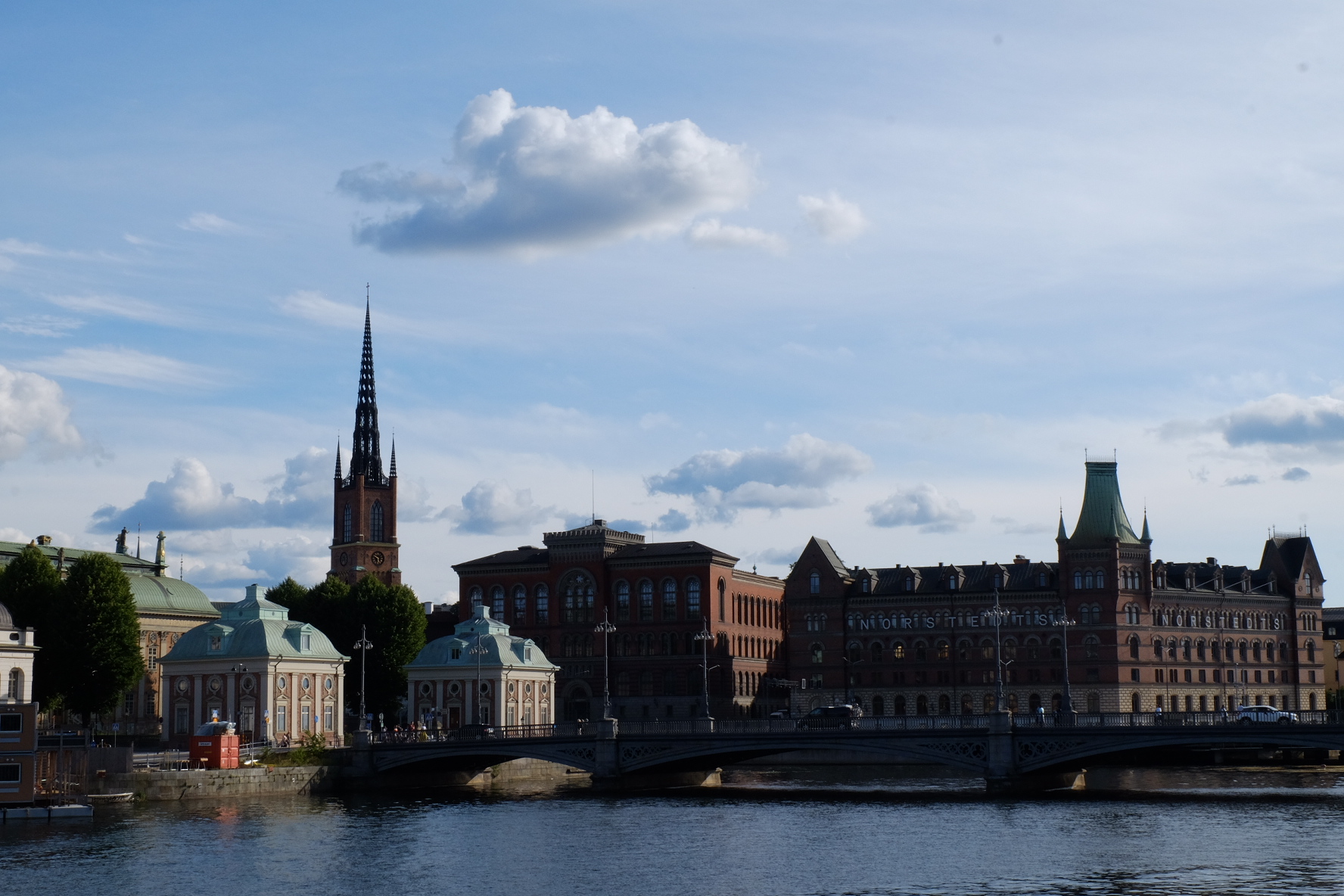
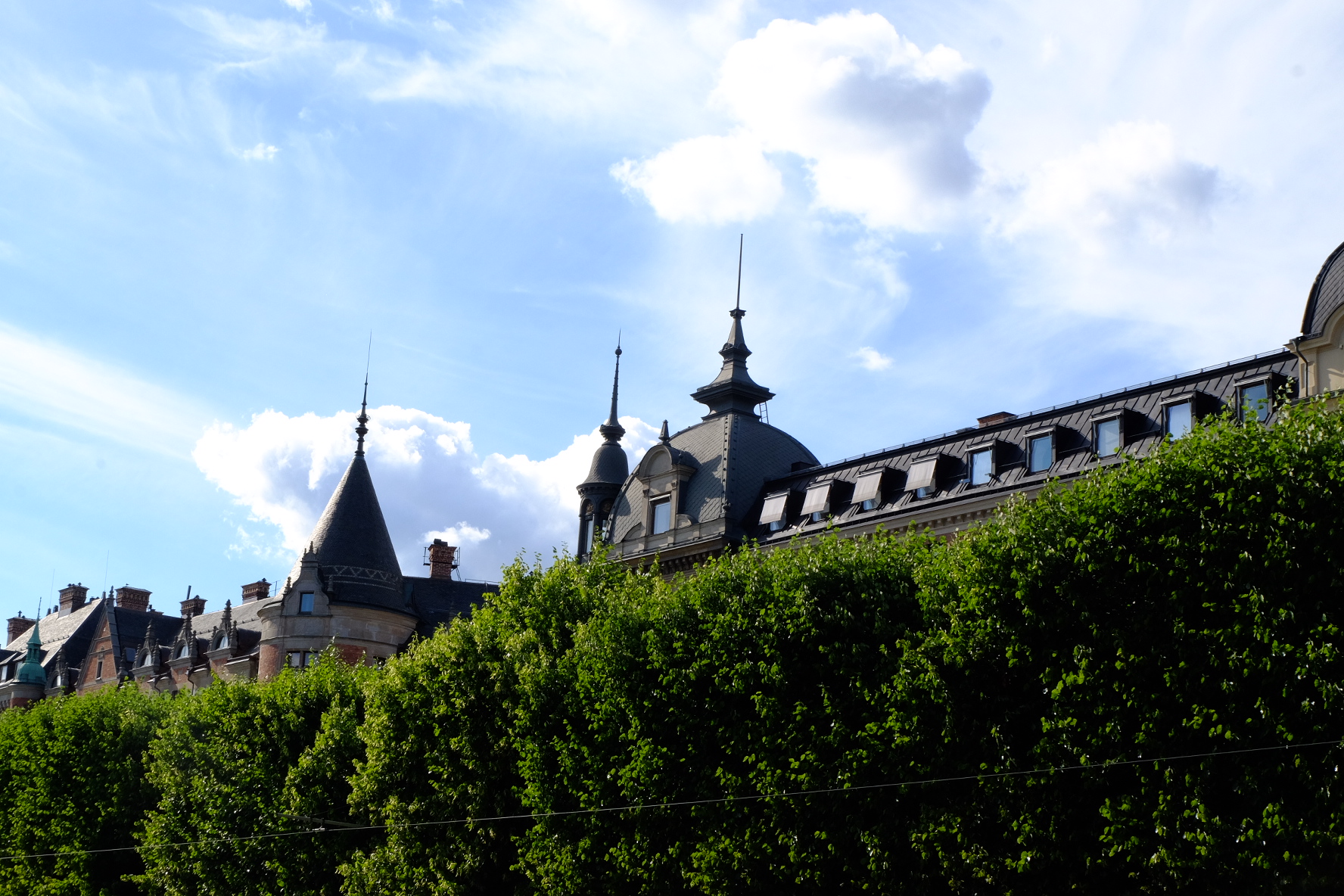
The street is cobbled, but no rumblings can be heard, as no cars would dare venture down these narrow side streets. They remain confined away from the central pedestrian areas of Gamla Stan, an island that makes up much of the city’s old town that could be mistaken for somewhere in France, Italy or Austria. Renaissance meets medieval meets old sandstone architecture in varying shades of red, orange, and yellow, and the sun shines in burnt tones onto the walls. I am surrounded by four—and five-story blocks making up a labyrinth of alleys and wider people-filled streets with postcard stands and cafe chairs spilling onto the cobbles.
The clicking intensifies as many others find the beauty in the cascading sunlight on green climbing ivy on one side of the street obscuring all but the windows of a cream-coloured building. Between alleys, ornate signs direct me away from the postcards and ice cream parlours to quieter residential areas, that read Antikt and Porslinslagning & Glas, set apart by more trade-oriented lifestyles than the larger tourist businesses.
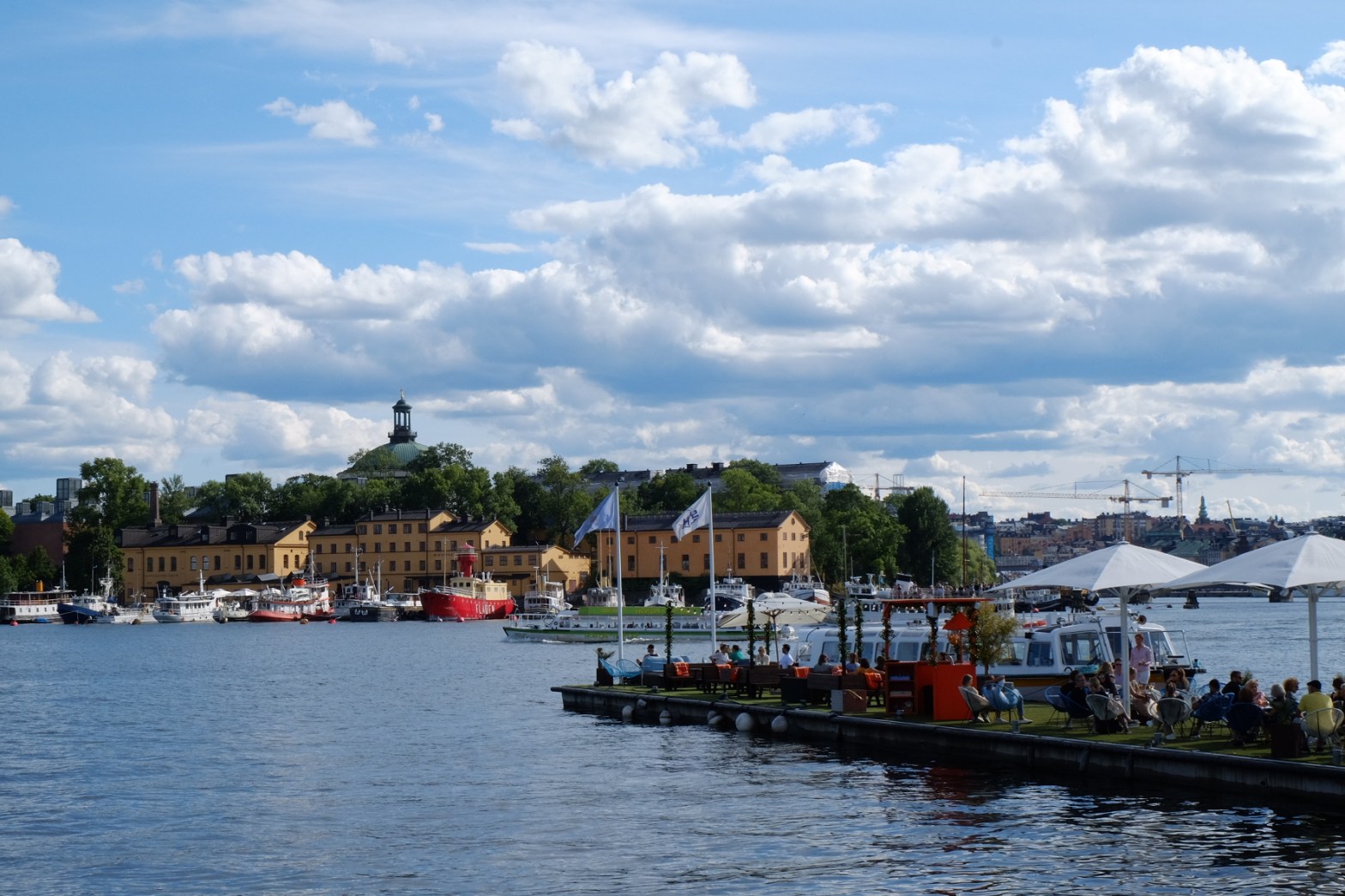
This is Stockholm, Sweden’s capital and a place I would appropriately name a city of historic proportions, with its grand royal palaces and plethora of museums. The city is surrounded by water, and boat travel is a must to discover the hidden histories of Stockholm’s waterways and dockside dwellings. At the same time, exploring the numerous islands and bridges by foot allows for a perspective that takes in the diverse architectural styles that make up this city landscape.
Within the large square where I sit and eat a lunch consisting of bread, cheese, salami and cucumber (the finest a budget traveller can hope for), the surrounding buildings now delve into hues of terracotta browns and reds, situated beside the famous Nobel Prize Museum where sandy columns flank carved wooden doors over 7 feet high. Alfred Nobel was, after all, Swedish, and as such the museum is curated to detail the histories of achievements that aimed to benefit the human race most and how that translates into the issues of our current time.
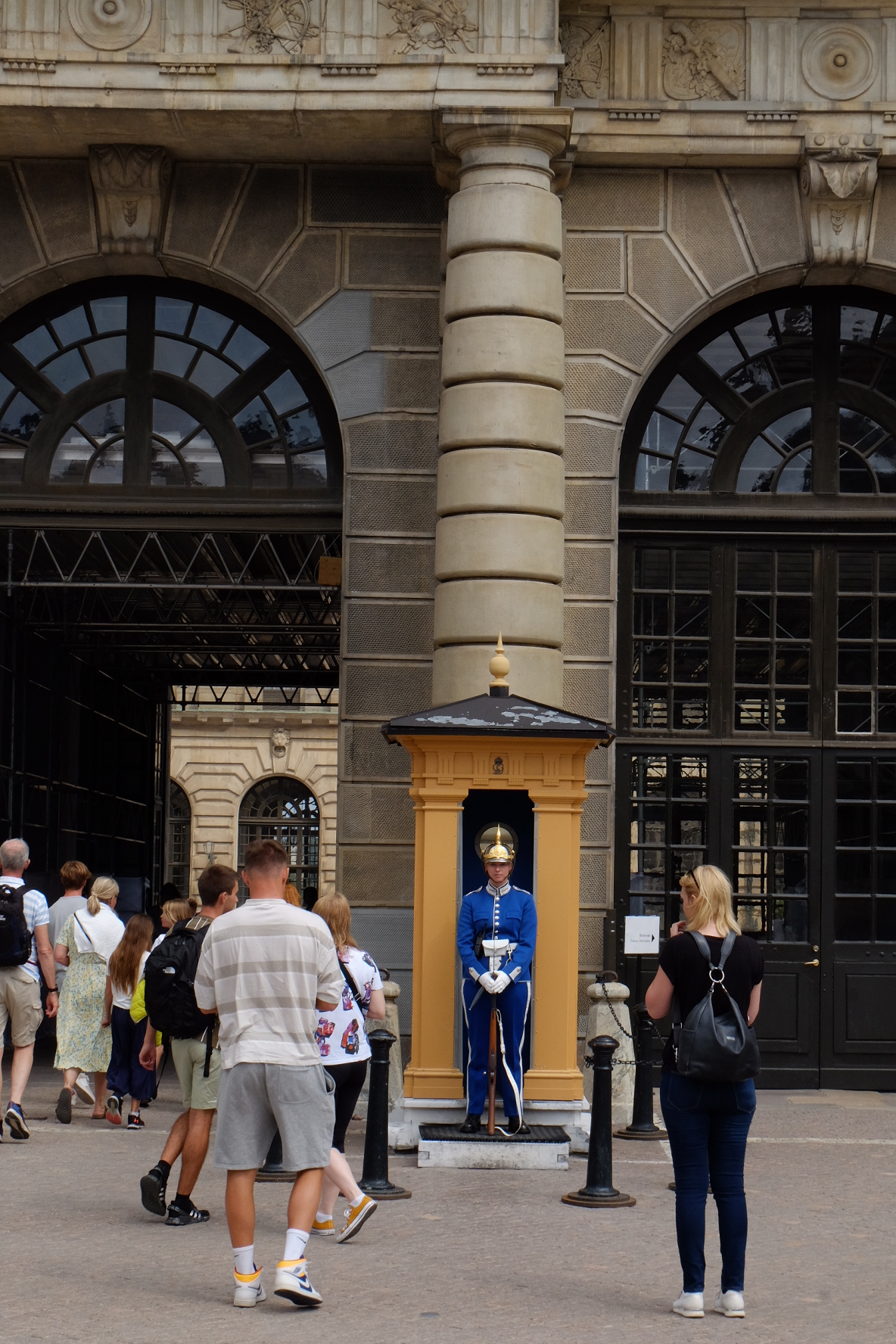
Following my nose, past the rich smells from bakeries and kebab shops, I feel the fresh air of the river funnel down the alleys heading in the direction of the royal palace where the royal family still has residence. It is significantly more polished than the drooping shutters and stoops of the old town, but nonetheless impressive as children run screaming with laughter around columns, weaving around the changing guards in their vivid blue uniforms and shiny helmets.
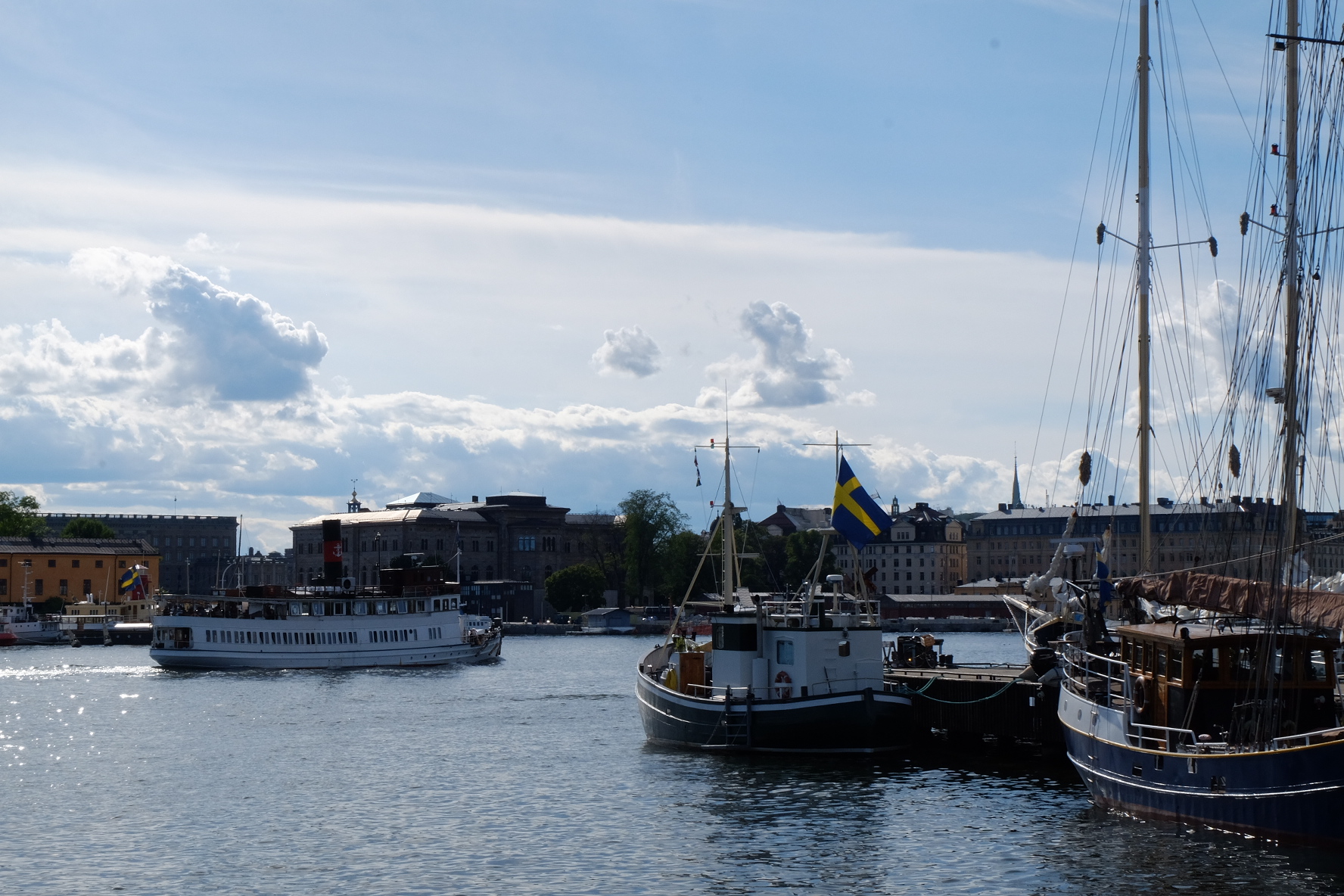
The regimented air of the palace grounds is left behind, as I walk along a long boulevard towards the water’s edge and onto the mainland area to catch a ferry. The ferry tours allow for the best possible vantage point to learn of the city’s history since the waterways are where the city evolved from. Beside the Strömkajen ferry terminal, I grab an ice cream from a small black van that sits beside a moored older triple-masted ship that vastly contrasts the sleek modernity of the ferries and water buses that dominate the public transport system here, alongside a very efficient underground metro and overground tram system.
From a slightly crackly headset, the English translator tells our boat about the traditions and histories of Stockholm’s outer and inner islands on the 2 1/2-hour journey. At nearly eye-level with the harbourside, we pass fruit and veg allotments, boulders with recreational climbers hanging off the sides, an immense ski slope and waterfront floating restaurants and houseboats used for living and workspaces. On one occasion, I spot a floating tennis court, from behind a boulder. Likely a bad idea for anyone with motion sickness, but nonetheless a great space-saving alternative, and I wonder if the person fishing the balls out of the water is paid well.
Once my feet are on solid ground again, I wander over an ornate pedestrian bridge onto Djurgården that essentially hosts the largest collection of museums in one place I have ever seen. Alongside the island of Skeppsholmen and the banks opposite, the sheer number of museums here is a treasure trove of history waiting to be explored. I visit the famed ABBA museum (of course) and step inside carefully crafted time capsules of the band’s origins from recording studios to brightly coloured music video sets.
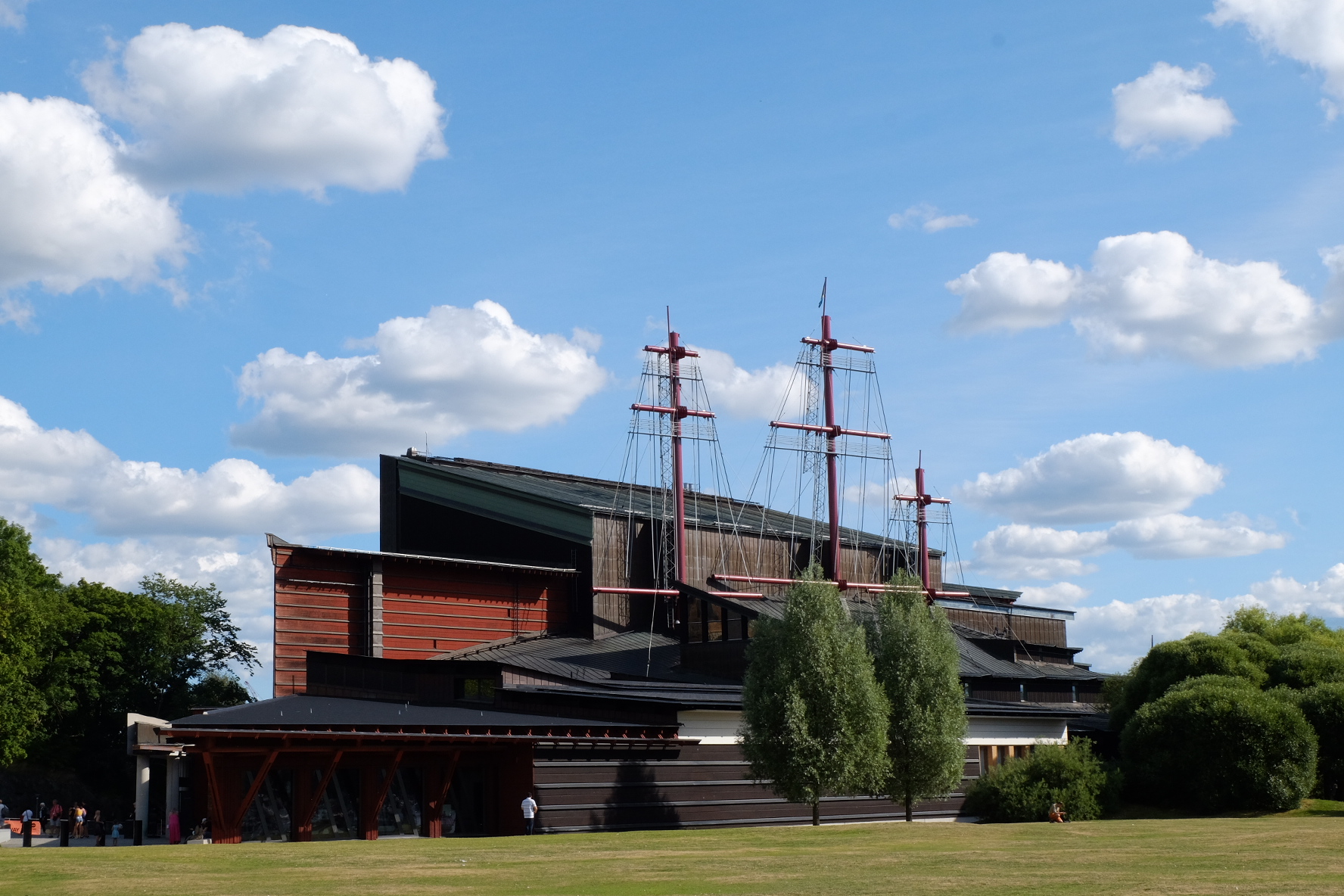
Next, crunching along gravel paths under large tree canopies, I walk to find the Vasamuseet where one of the world’s best-preserved warships is housed. The 17th-century Swedish vessel Vasa, sank just 30 minutes into its maiden voyage and remained on the ocean floor until the 1960s when salvage attempts led to the opening of Scandinavia’s most visited museum from the 1990s onwards. The museum can be seen from afar due to its characteristic 3 masts sticking out of the roof to represent the true height the ship once stood at.
The chatter of people along the waterfront of the Djurgården brought me to several beach bars and moored wooden boats with multi-coloured flags fluttering in the late afternoon sun. The purpose of this wander was to engage in Sweden’s national pastime of Fika – a designated time to engage socially or take time out over a drink and a sweet treat that can be taken multiple times a day. In this case, the popular choice is to eat Kanelbullar or Kardamummabullar, Swedish cinnamon or cardamom buns. The sweetness combined with sugar crystals make for a delightful experience, paired best with a bitter coffee sat on the harbourside looking towards the beautiful renaissance rooftops of the old town, reflected on the shiny glass windows of passing ferries taking commuters home for the day.
The tradition of Fika is similar to that of many Scandinavian traditions which seem to centre around taking quality time away from the chaos of the everyday. To engage with something that will meaningfully benefit you mentally and physically, and allow you the space to simply exist without need for anything more.
My brief time in Stockholm taught me exactly that.
That time is meant to be taken to enjoy the things you value most, be it learning, seeing, smelling, feeling or even eating a cardamom-infused treat with your legs dangling over waters that Vikings sailed through centuries before.
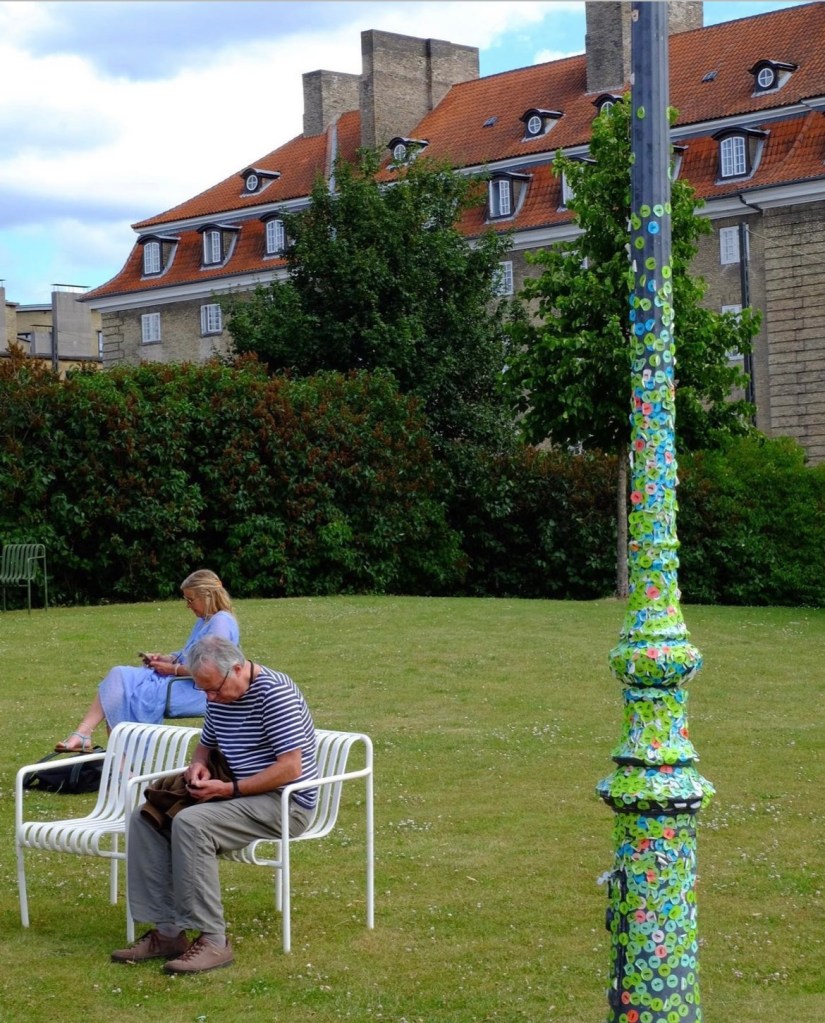
There is a sticker on a lamppost that reads “get lost”. The lamppost hasn’t been cleaned in a number of years so the sticker calls out to those who view it, as a blinding yellow circle. I listen.
There is a bench dedicated to a woman from her husband, after her death five years ago. I sit there and wonder what she looked like when she was alive and if she would have liked to have a bench dedicated to her. Maybe she would have hated it. Maybe she wanted a plaque on a birch tree instead.
There is coffee shop that sells up-market, overpriced coffee beans that taste delicious. Above the counter hangs a single plank of wood displaying several paper takeaway cups with drawings on them. A shakily drawn cat sits next to a blue alien which is accompanied by a spaceship, next to a green bicycle, followed by a miniature drawing of the front of the shop itself. The steam from the machine rises giving the drawings a mystical quality.
There is a cat lying in the entryway of a garden on the side of the road. It purrs and flops over as I tickle under its chin and I’m hit by how similar it is in colouring to my childhood cat I grew up with. It rolls over and stretches its feet out towards the wall, which has now been overtaken by climbing vines and small cracks have started to show.
There is an art to noticing things and I have found that my best attempt at this often happens on my worst days. On days when all I want to do is count the cracks in the pavement or wonder why that doorframe of a house has small gargoyles sticking out of each side, instead of stay in my own head and worry about big things. Small things are the perfect distraction. At the same time, it helps you see the beauty in noticing.
These can also be found in people. The way someone’s hair catches sunlight so you see the full array of colours there or the hidden appearance of a necklace that wasn’t noticed before. Maybe it’s dimples that were kept secret until they smiled or an eyebrow scar from a childhood accident they haven’t told you about yet. They are all wonderful little details that give hidden insight into people’s true selves and lives. Maybe the eyes aren’t the only windows to the soul. Noticing small things about people can make them feel seen even more than eye-staring ever might.
I also find the art of noticing a key aspect of film watching. Maybe it’s the way a character stands that subtely calls back to a previous moment or a particular kind of music motif is played only when a specific character is about to appear. Sometimes I can hear the difference between a cello and a clarinet as the music crescendos into the protagonist’s final feeling of freedom as they escape the emotions they have felt all this time weighing them down. Other times, it’s the changes in bass or the sudden appearance of a brass instrument that ignites a fire that speaks to the beauty of music as a partner to the visuals you watch and you know that without it, the film would not be the same. Colour is used in this same way. Blues and greys represent a characters’ slow spiral into melancholy while vibrant sunset orange signifies the end of a long personal struggle into adulthood.
Maybe this is all just what people notice daily but I never seem to find anyone writing about it. Maybe this is what poetry is about, what great art is inspired by or simply what keeps the day from becoming a bad one.
On my walk home I walk under a canopy of auburn leaves that fall with each gust of wind that flies by. Some leaves hit me in the face, so I collect them to flatten them in a book later on. The coffee in my hand grows cold and the lingering worries about my finances creep back in. The wind takes them away again as the sky begins to turn scarlet.
I pass the bright yellow sticker on the lamppost and wonder if feeling lost is really the answer. If feeling directionless is really as bad as it sounds, because I happened to have just found a whole host of beautiful small noticings that help ground me in place.
I’m sure there’s a double meaning to the sticker.
I’m sure that if I look close enough I could see so much more in those two words but for now the bigger realities creep back in and I am forced to focus on the distant rising of the moon and the fact I can now see my breath in the air to distract me.
There is an art to noticing things, because that is all that is required.
Noticing.
No judgement. No moral argument. No moving to change things.
There’s a freedom is simply existing.
And I continue to seek this freedom because there’s very little required.
A sort of minimal effort glance at happiness. To centre yourself on earth when your mind is floating to the outermost reaches of space.
To realise that you are the artist when doing the noticing.
And no one can do it like you.
“The voice of your eyes is deeper than all roses.”
After possibly the most beautiful train ride in the world, I stepped off the train into the deluge outside, in search of my hotel.
In Bergen, Norway.
The city is located on the west coast of Norway’s Bergenshalvøyen peninsula, and with it being surrounded by mountains it felt like another world compared to the fairly urban centre of Oslo I had just arrived from.
The train journey had set up this destination in such a way that I had very high hopes. After a wake up call of 5am, I had walked the 20 minutes to Oslo’s main station and boarded a rather long train with possibly not the comfiest seats, but nonetheless the first hour, as the greenery flew by, was spent sleeping. Then as I awoke and the sun had risen a little more, I could watch as fjords, tree-covered mountains and remote wooden dwellings in green fields, passed by. We climbed higher then so the landscape began to change. Green turned to brown and then grey and eventually white. We climbed higher still until the white was almost blue. Glaciers emerged along rocky mountaintops and as we slowly pulled into the small town of Finse (the highest point on the journey), I saw the temperature gauge on the platform read 7 degrees celcius. We passed more ice and black rock peeking out from beneath but the most surprising part was definitely the remoteness of the houses. Dark wooden cabins appeared every ten minutes or so on the edges of frozen lakes or situated on top of rocks, with a faded track leading to them. There was so little access to them, I thought about what it would be like to live that remotely with only a train track to remind you of the outside world. I think I’d like it. A place to escape to or find yourself. Either way though, quite chilly I’m sure, considering I was travelling in July.
On the decent into Bergen, the snow melted away again and was replaced by forests with great clouds rising up due to the humidity and falling rain. Fjords emerged hundreds of metres below and we travelled across bridges and aqueducts before the final arrival into Bergen’s old but beautiful arched train station.
The cool rain was not a surprise and not entirely an disappointment since I could feel validated in bringing so many jumpers in my already heavy rucksack, but nonetheless it was a soggy walk to my hotel. The exploring however would have to wait until the next day since the 7 hour train journey coupled with a 5 am start had wiped me out.
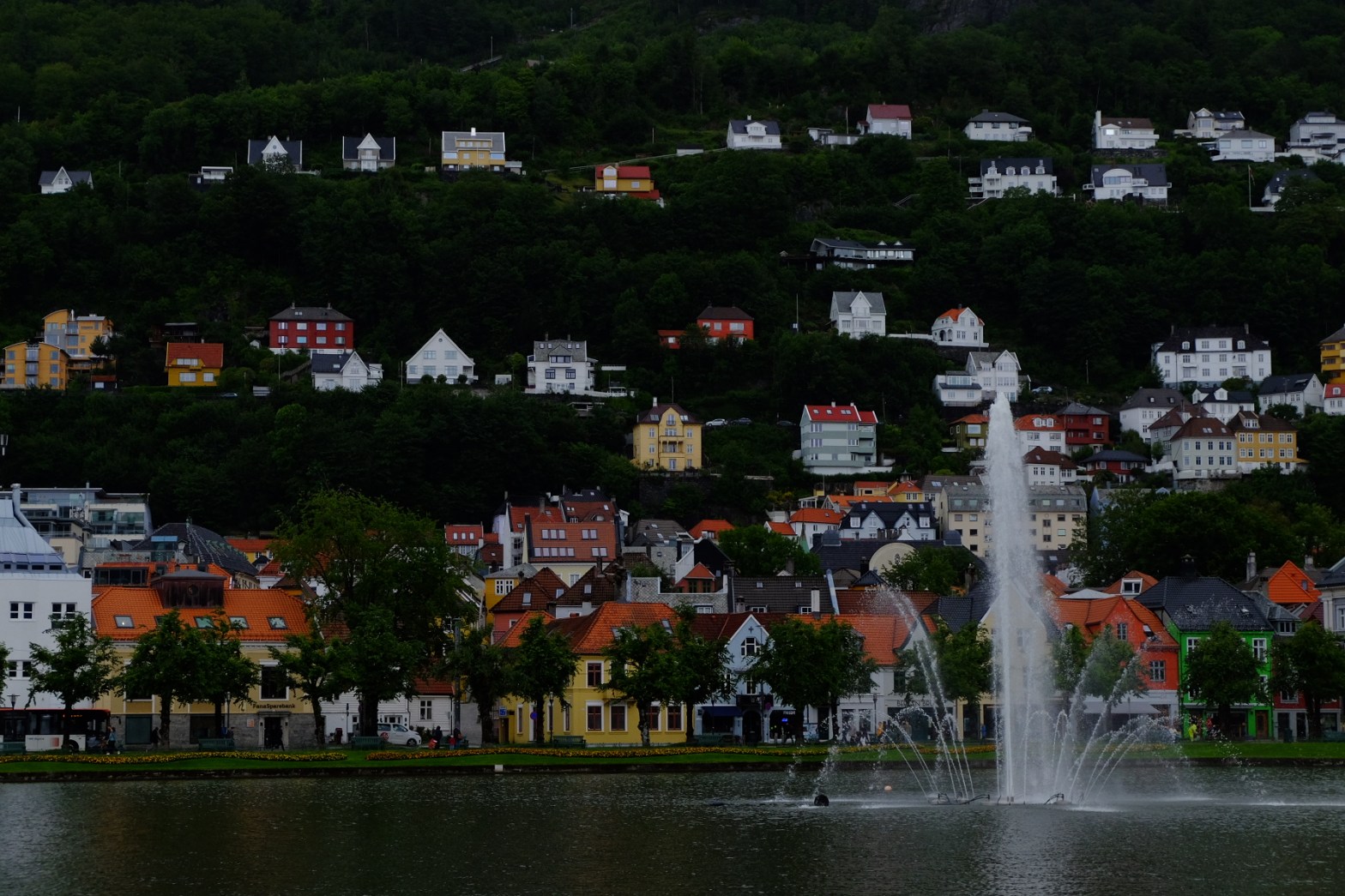
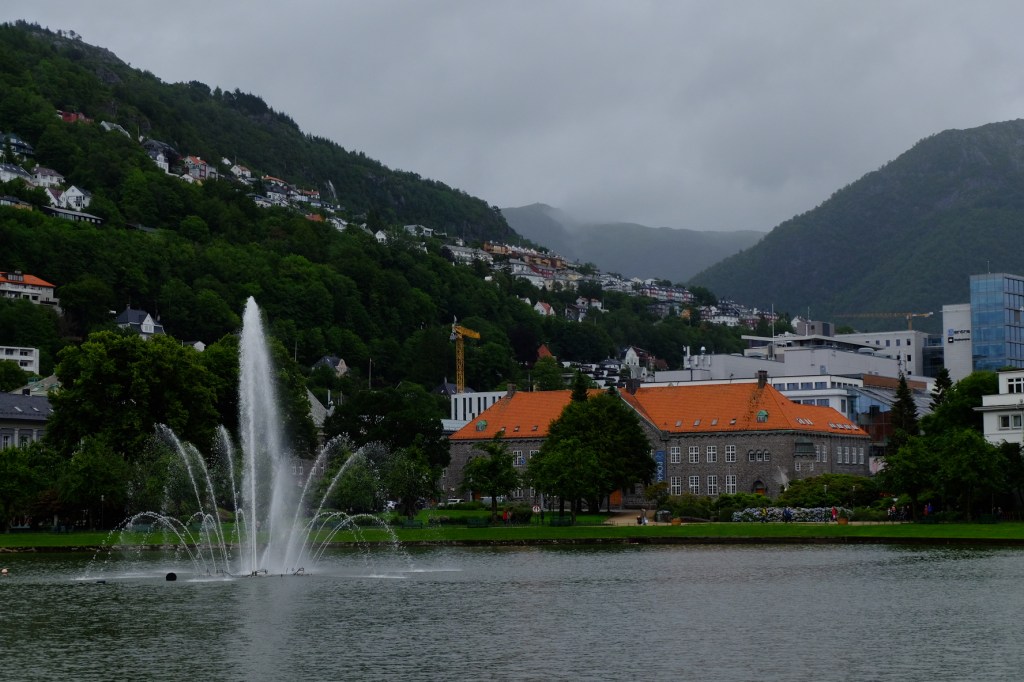
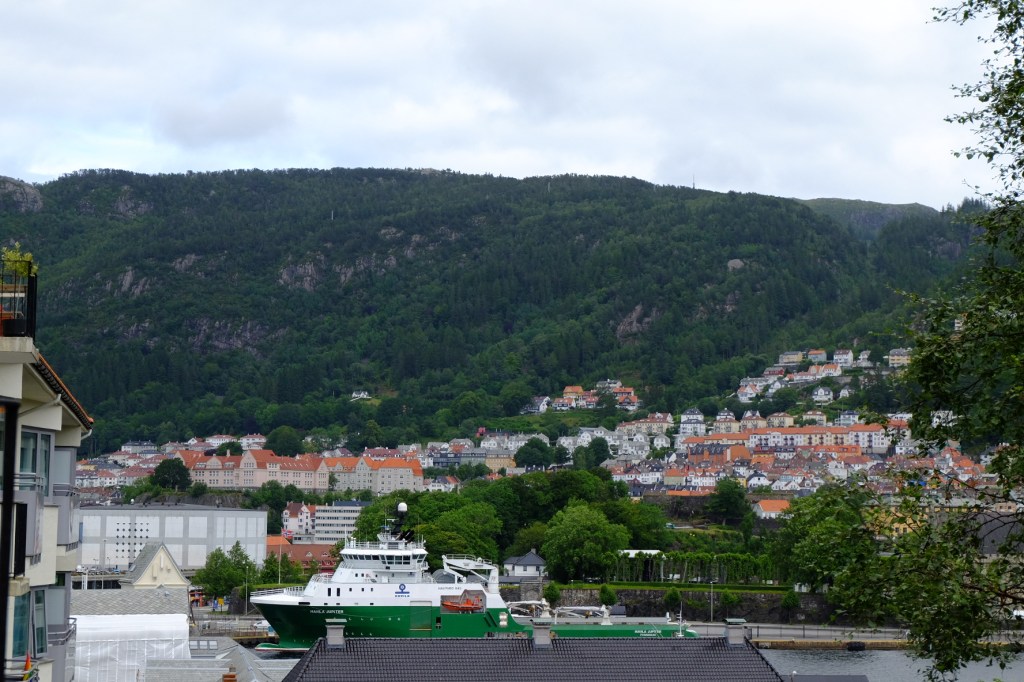
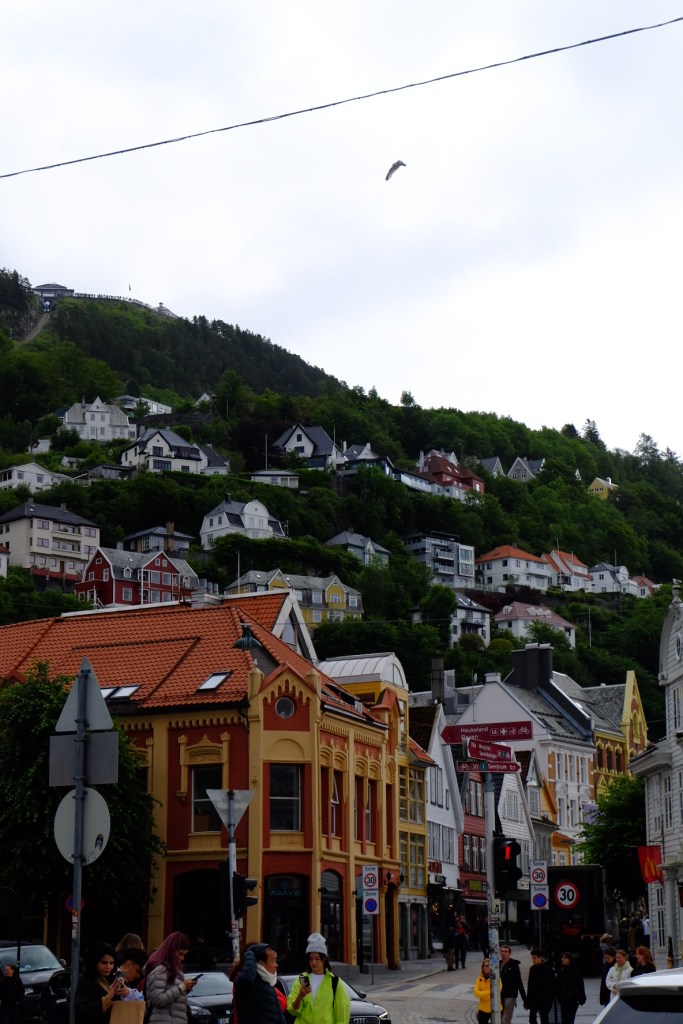
The next morning, the rain continued, so out I went to christen my raincoat with its first use in the two weeks I had been travelling through Scandinavia. The city itself was fairly flat in most places so the steepness of the mountains that surrounded it inland, looked so sheer that the houses themselves seemed as if they were attatched to the cliffs. They were, however, beautiful in their colourful masses, dotted amongst the deep green of the trees along the hillside. A large park with a small lake lay close by and I sat and ate a squashed croissant while watching the fountain in the middle spout water into the damp air. I then wandered past post offices, bike shops and residential flats until I reached the high street.
Further on past the town centre and towards the harbour I could smell the fish market close by. Bergen is famous for its sea trade and it’s large number of visitors from cruise ships but predominantly due to the Stockfish trade (unsalted, dried fish) which cemented it as one of Northern Europe’s centres for trade.
Past the docks, bobbed several small fishing boats which were dwarfed by the distant cargo ports and cranes as I walked towards Bergen’s Fortress, Bergenhus. Around since the 1200s it is one of Norway’s most well-preserved fortresses and it looked as such, when I walked into the inner courtyard. From the ramparts you could look across the harbour towards the hillier parts of the city which was my next destination.
On my way there, though I came across one of Bergen’s biggest attractions: the World Heritage Site of Bryggen. Beautifully restored, colourful wooden houses, in the typical older Norwegian style stood sandwiched together, with several of them displaying local wares and souvenirs of patterned cloths and oddly shaped troll statues. I walked between the houses down narrow passageways where stairs and walkways criss-crossed the alleys above and the orange, yellow and red painted wood shone in the brief rays of sun that perforated the grey sky. I also visited a 200-year-old leather shop and visitor centre that detailed the origins of the settlement with it’s founding in the 1020s and it’s original status as the capital of Norway until the early 1800s.
Onwards then, away from the wooden houses painted in reds and yellows and towards the other harbourside. I wandered near restaurants with close proximity to the fish market and watched as groups of people ate various dishes prepared neatly from the other side of floor-to-ceiling windows. I contemplated the idea of going in but reminded myself that there were other, cheaper alternatives that were equally as good. But fish was going to be a necessity to try while here.
The pavement began to climb then, into the hillier part of Bergen with roads twisting almost in a similar fashion to those seen in San Francisco. At the top lay a park with a view over the fjord on the other side of the city where I took a break and sat feeding birds with the leftovers of my supermarket sandwich. Below me I could hear the excited shrieks of those jumping into the lido that doubled as a lane-swimming pool. It didn’t matter that the sun was nowhere to be seen, the humidity wrapped the city in a warm but damp blanket and the wonderful smell of rain hung in the air. I then headed further into more residential neighbourhoods. The houses all had similar characteristics. Lots of white window frames with colourful cladding and some balconies with flowers and vines trailing from hanging flower baskets. There was so much green to be seen.
Then evening began to descend and I headed back towards the centre of town. There was also no concerns about my safety here. I felt comfortable walking around as night fell and was even regularly greeted by some passers by.
The rain continued into the evening as I once again approached the fish market to find my dinner. After a walk through the labyrinth of red tarpaulin tents, past tanks of lobsters, sea crabs and icy drawers filled with prawns, I found a stand selling fresh shrimp for a decent price. Of course, things are noticeably more expensive across most of Norway but here it felt worthwhile because with it came the experience.
So here I was. Writing my travel diary under a fish market stand beside a plastic window that distorted the outside world as it grew darker, with a plate of fresh shrimp and bread with mayonnaise beside me. To this day it is still one of the best meals I have ever eaten, simply because of where I ate it and the surreal nature of realising that the place you envisioned visiting in your bedroom years ago is where you are currently sat. Eating shrimp. The darkness outside brightened the flickering fairy lights that decorated the fish market seating area and as I walked back to my hotel, I saw that same lighting reflected in the millions of windows and blinking lights from the houses decorating the hillsides surrounding Bergen through the rainy haze of the evening. It was one of the few times that gloomy weather has ever looked so beautiful.
The next morning I would have to catch an equally early train back to Oslo to continue my journey towards Sweden in the next few days. But Bergen had been so different to any other city I had visited yet, that I knew it would stay imprinted onto my memory for a while.
So, as the train pulled away the next morning at 6am, the sun finally shone through the dense rainy fog. It lit up the mountainsides and fjords in a rich hazy yellow before it disappeared as we rose higher again, into the mountains, headed for the glaciers and then another city once more.
Having your heart broken is a tremendous way to learn about the world.
– Dorothea
Santa Barbara 1979.
An old white car sits in a car park engulfed in flames while a mother and son look on from the window of a grocery store.
This kind of beginning of a film is rare. The rarest kind of intrigue that doesn’t require the usual conversation of – “Oh you just have to get into it a bit first before it picks up.” There’s none of that and that is why this film is classified as my third favourite film of all time. It’s witty, it’s beautiful, it’s heartbreaking and it evokes something real; that this could have been a real story even though it isn’t.
Dorothea and Jamie (Annette Bening and Lucas Jade Zumann) have this mother-and-son connection that is both envied and gladly not something I can relate to. They bicker and she worries about the length of his hair while he gets into stupid scrapes and wonders what it is like to love his older best friend. They live in an old colourful house filled with strangers and friends and falling down parts in constant repair, so it always resembles a building site in some area or another. It is also why I wish I could have grown up there.
The premise of the film speaks to parenthood and the everyday living of the late 1970s into the 80s, but more so it speaks to what it is like to have more than one role model and growing up surrounded by lots of different people. In the house there are more than just Dorothea and Jamie but also Abbie Porter (played by the one and only Greta Gerwig) and William (Billy Crudup) who serves as one of Jamie’s only male figures in the house. There is a beauty in the bohemian quality of living in this constantly changing house with various lodgers and guests such as the firefighters who helped put out Dorothea’s car, who she ends up inviting to dinner as a thank you. That is the kind of person she is and I love her for it.
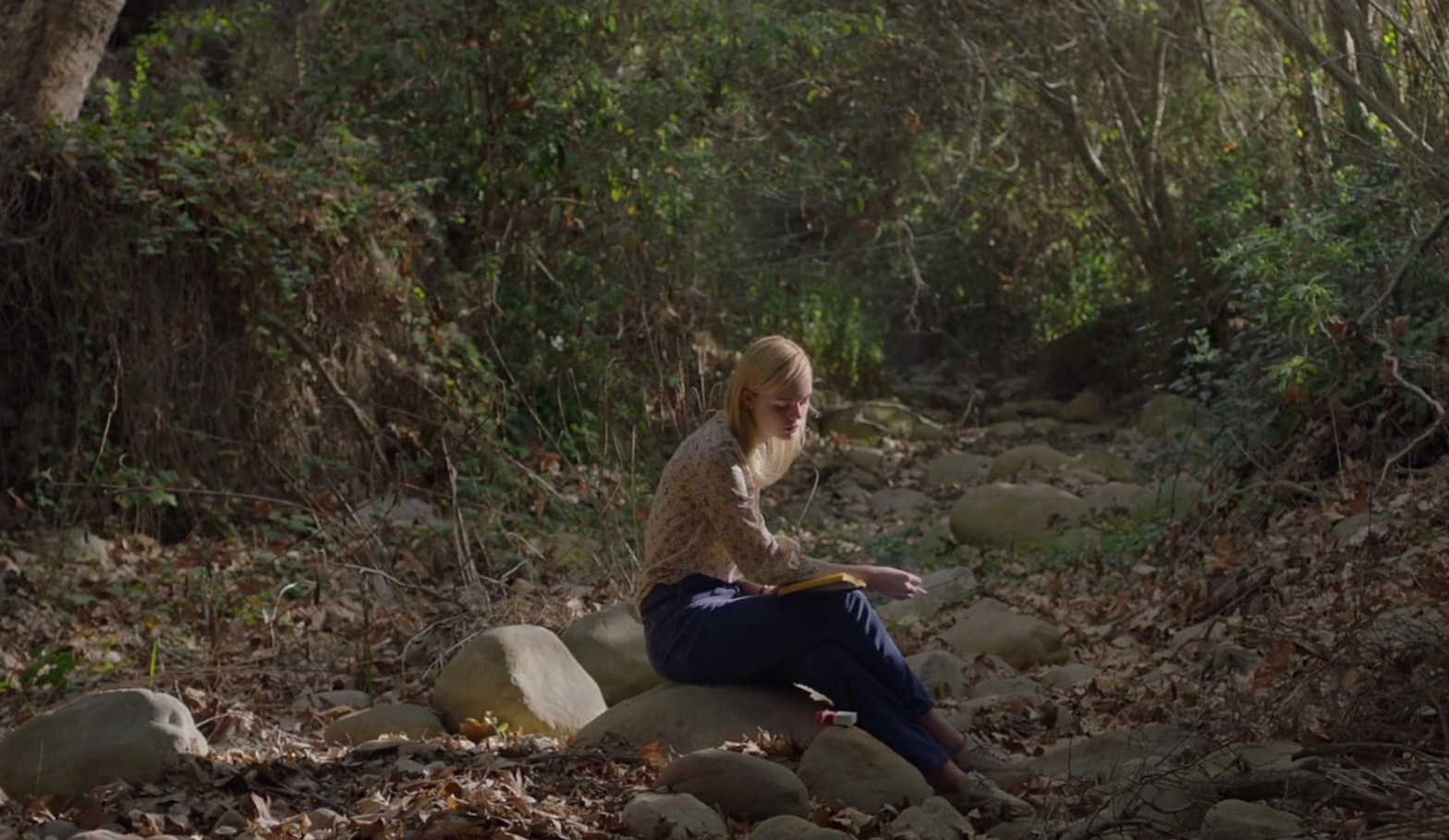
The cinematography deserves its moment as well because frankly, few come close to capturing the nostalgia and hazy lifestyle of 1970s Santa Barbara. All coastal living and long roads for skateboarding. The greens and blues of the ocean mix with the sandy buildings and crumbling remains in the forests nearby where Jamie and his best friend Julie (Elle Fanning) sit and talk about sex and what it means.
I love the boldness of this film. There is no cringing at a character bringing up something taboo because it’s something I wish I could do more often without that fear of being judged. Periods, patriarchy, issues with women’s health and the fear surrounding dancing without a care. It’s also discussions around sexual assault when you didn’t even know that’s what you’d call it yet, or making yourself pass out just because your friend found a fun way to wind yourself badly. There are so many ways this film speaks to the intrusive thoughts we have, but the ones that are justified and we all wish we could bring up at the dinner table. One of my favourite scenes, as a result, is when Abbie brings up the subject of periods at a dinner party and proceeds to make everyone say the word ‘menstruation’ because the fear around saying it aloud needs to be destigmatised.
The interest also lies in the reaction from Dorothea as she tells her to stop, showing how generational difference plays a part in this film and how the youth like to view themselves as radical when there are many things Dorothea has done that were radical in her generation. Being a single mother. Raising her son with the help of other women and feeling no need for a male father figure to help her. Asking William why he kissed her one evening in a bar and after his “I don’t know” response, telling him “I mean you don’t kiss a woman unless you know what you mean by it.”
This film is about coming-of-age but that doesn’t necessarily apply only to 15-year-old Jamie. There is so much growth achieved by all the characters. Abbie grapples with being diagnosed with cervical cancer and that her mother took prescribed pills that essentially gave it to her without her knowledge. Julie tries to stop sleeping in Jamie’s bed but can’t because it is her only safe place and hides the fact that most of the guys she’s slept with haven’t asked permission. William fixes cars in the front yard as well as fixes the house but can’t seem to fix the part of him that is lonely and turns to the only women nearby – Dorothea and Abbie – for comfort, which does little to help. Then finally, Dorothea struggles to find a way to connect with Jamie but also seems to place many of her preconceptions about men onto him. She understands that the world is changing around her and as a revolutionary in her generation, she tries to embrace it but ends up mostly reverting to what she knows. It is why she enlists the others to help her in raising Jamie.
Jamie is by far my favourite character though. He is 15 but he is worldly wise and unafraid of getting things wrong. He grows up surrounded by intelligent women and reads feminist literature before many had even heard of the intricacies of female pleasure or the downfalls of living under the patriarchy. He sees the women in this great house and their struggles and loves and hates and relates more to them than the only man in the house. He dances wildly with Abbie listening to punk rock and the Talking Heads at full volume. He sits and smokes cigarettes with Julie as she talks about her therapist mother and how fun it is to just be intimate with someone or no one at all. He notes down his mother’s stocks every morning over coffee, their cat sitting on her lap, and the routine remains no matter how many fights or misunderstandings they have. It’s poetic and beautiful and such a display of humanness that every time I watch those scenes it helps to remind me of the beauty in the mundaness of the everyday. Because often we don’t recognise that beauty when we are in our own such moments; the film helps to reaffirm this.
As the frames spin on, I watch words appearing over colourful frames telling of books films or prominent speeches that were made at the beginning of the 1980s. Mike Mills is unique in this way as a director and filmmaker because his films also feel like a lesson. A life lesson and how people lived it or how these pieces of media framed life at the time. Or maybe they are just put there to inspire someone to read a book on feminism or watch that speech by Jimmy Carter that impacted a nation. But these tidbits we are fed as the audience, remind us that this film is from real time and that these events likely happened at some point to some person or family.
When Jamie and Julie run away to fulfil his plea of going up the coast somewhere, away from everything, Dorothea, Abbie and William give chase in Dorothea’s newly fixed white VW Beatle. They hurtle down the Californian coastline towards a motel where everything will be reconciled but they don’t know it yet.
Dorothea and Jamie’s heart-to-heart in a field nearby is a masterclass in communication without really saying much. Jamie fires at her that Julie should be here to talk to him instead of Dorothea to which she conveys her worry at losing him. He then confesses that he thought her attempt at bringing other people into raising him, meant that Dorothea could no longer ‘deal’ with him. She doesn’t deny it but says that she only wanted for him not to end up like her. Or at least to end up happier than her. Then he says he thought it was enough just being the two of them, and she gets the clarification she needs that all he needs is her. They recognise the similar need in each other to understand that they aren’t meant to understand each other fully. That there is space for mystery because we are all people who make decisions that don’t make sense but do in a moment. Just one moment where we needed to get away, as Jamie did.
Then begins my favourite scene. The dingy motel room turns into a dance floor as Dorothea tunes the radio to the dulcet sounds of “After Hours on Dream Street” by Sandy Williams. The group dances together and changes partners as the song goes on. The only sound is the muted trumpet of the song filling the space with warmth and light and acceptance and that things may be imperfect but that is okay. Abbie dances with Julie, William expertly leads Dorothea and Jamie sits on the bed, a smile on his face while watching the people he is closest to in life, in this moment. And it is one he will not soon forget.
The ending scenes are a rollercoaster of emotions and sudden truths. Jamie with his freshly bleached blonde hair holds onto the open car window, as Dorothea speeds up so his skateboard gathers momentum along the coastal highway. The scene moulds and blends into colours as though speeding through time itself. Life fast-forwards.
Then we see Dorothea climbing into a biplane and soaring high over the Santa Barbara coastline, the joy on her face lighting her up from the inside. In the same breath, Jamie now narrates how she will die in a few years from cancer due to all the smoking, but also how she will meet a man who will stay by her side until that happens. Jamie also narrates how he will go on to have a family and a son and that trying to describe what his grandmother was like will be impossible.
I think that’s one of the best ways of being remembered. Impossible to describe because the person you were was so large and diverse and different all the time, that you became more of a feeling than a person. Or maybe it was more about how you made others feel.
Either way memorable, as this film will always be to me.
“we travel, some of us forever, to seek other places, other lives, other souls.”
– anais nin
I think over the past few years of my life I’ve changed a lot. From the rather long hiatus I took from writing this blog to starting University, to moving to a whole new place and trying desperately to establish new lasting relationships; I’ve learned that it’s hard to find things that last. Things that you never want to forget.
After the pandemic semi-ended and I had dealt with so many failed plans and disappointments regarding international travel I knew that something needed to be done. Something drastic. So I decided that to cure or at least distract myself from my declining mental health, I would decide to travel alone for a month and Interrail (travel by train) across Europe and Scandinavia in July of 2022.
Yeah, definitely drastic considering I only planned where I was going a week before I left.
But the feeling of belonging began to return. I began to feel more like myself again which hadn’t happened in a long time. I began to see the beauty in the small things again. Strangers hugging in an airport; someone asleep under a tree in a sunny park; country farmhouses rushing past from cool train windows; rusted street signs; the way lampposts are shaped differently depending on which place you visit; a flower bush so vibrant it hurts your eyes. I began to feel that way again as I had the privilege to embark on this journey.
So here I was. Copenhagen. A city I had dreamed of visiting ever since my mum had told me stories of the architecture and the Danish way of life and Hygge. I was finally here on my third stop in my month-long Interrail trip.
With my monstrously heavy rucksack in tow, stepping off the train I had last boarded five hours ago in Hamburg, the towering wooden ceiling of the antique Central station with its chandeliers reminded me more of a cathedral than a station. The air outside was warm and filled with the smells of cars and hot dogs from the steaming stands near bike racks filled to the brim. This is the city of cyclists after all. Cycle lanes were bigger than most roads.
This part of town housed numerous buildings made of brick that stood tall next to the main road and the countless bridges leading to many of Copenhagen’s man-made islands. Within this stood a few glass skyscrapers and stone-clad buildings with large-paned windows as I wandered towards the river and my hostel for the next 5 days.
The Next House Hostel reminded me more of a boutique hotel than a cheap hostel with its highly modern architecture, indoor mini football pitch, cinema, gym and lounge area with bar and restaurant adjoining. The whole experience was surprising, to say the least considering some of the less reputable hostels I’d stayed in so far. The rooms were small, yes, but fitted with pod-like beds and a very nice private bathroom.
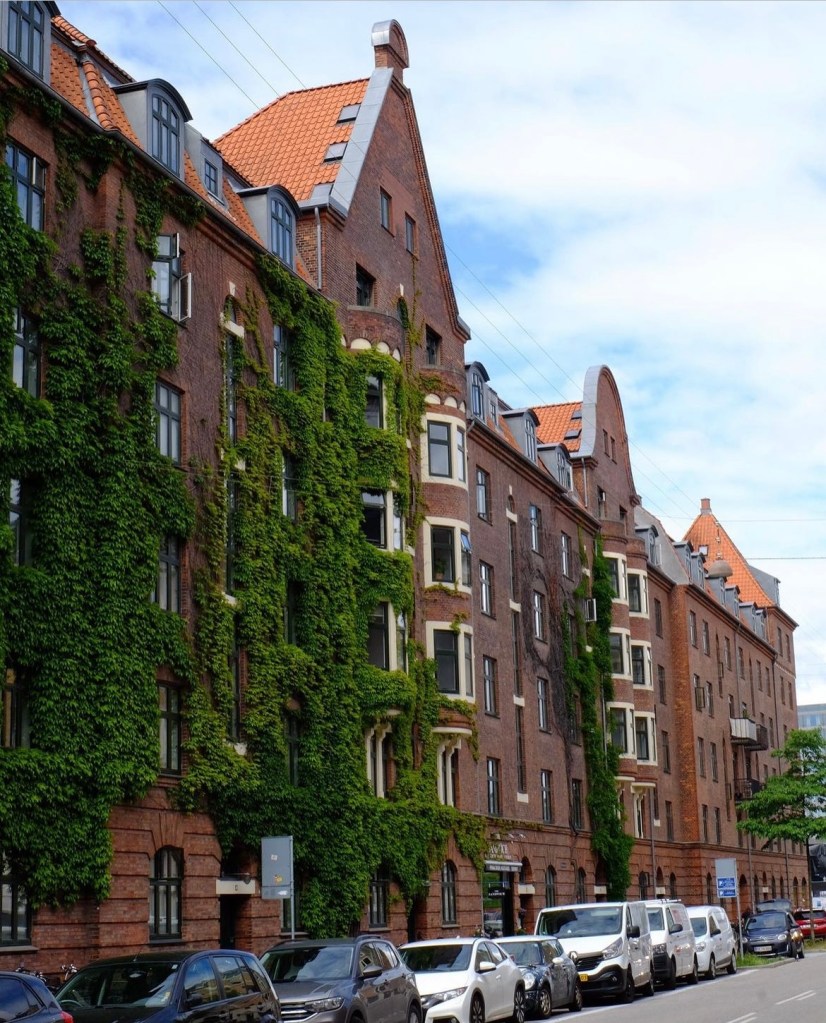
From the onset, this city is a great mish-mash of architectural styles that are so brilliant it is a requirement to visit it all to get the full experience. These styles are also not confined to one block but can vary from building to building; baroque-style stone apartments sit beside modern slanted glass office blocks. To find just one type you like isn’t possible because they all work so well together. If I had to choose though I would say the area near the harbour, Islands Brugge near the University of Copenhagen. Its stunning maroon brick blocks of flats covered in hanging plants and lush climbing vines give it an unspoken magic that is only exacerbated by the florist shops spilling out onto the street and small pottery studios hidden in sunken doorways. The whole block is so vibrant and full of life.
On my first morning, after a much-needed night’s sleep, I wandered over the bridge to Islands Brugge and found a small brunch place that served tapas-style breakfast with the best scrambled eggs I had ever tried. Wulff and Konstali was truly the loveliest breakfast and brunch restaurant so much so that I ended up going three more times during my five-day stay in Copenhagen. As I sat on a quaint pavement table, with my camera in hand, I felt this sense of peace. The area just seemed to emanate this brightness in the colours and clean-cut lines of everything but with the added wild element of the climbing vines and small roadside trees giving the area a warm and welcoming character. The perfect mix of old and new.
After a leisurely stroll across several more bridges and past more multi-storey building blocks of glass, brick, stone and steel I found my first canal and followed it towards the Museum of War and the rust-orange houses that lined the waterfront. Onwards to one of Copenhagen’s main shopping streets and past the grand tall spire of parliament. The height of everything was quite a surprise considering it wasn’t skyscrapers that dominated this city but great baroque and Renaissance works that tower over many of the smaller glass boxes making up the more modern architecture.
Onwards past more tree-lined residential streets and some busy intersections towards the botanical gardens and suddenly you’re on a different planet entirely. Colourful flowerbeds surrounded by high hedges and low-hanging trees take you on an inter-continental journey of the world’s plant species until you emerge onto an open grassy verge overlooking a sparkling pond and a large white greenhouse. This houses thousands of plant and butterfly species. There were also numerous sculptures and bridges and I began to wonder if there was ever a moment I wouldn’t be suspended over water. Even roads and city blocks were built over the water in clever floating communities of dark wood and glass.
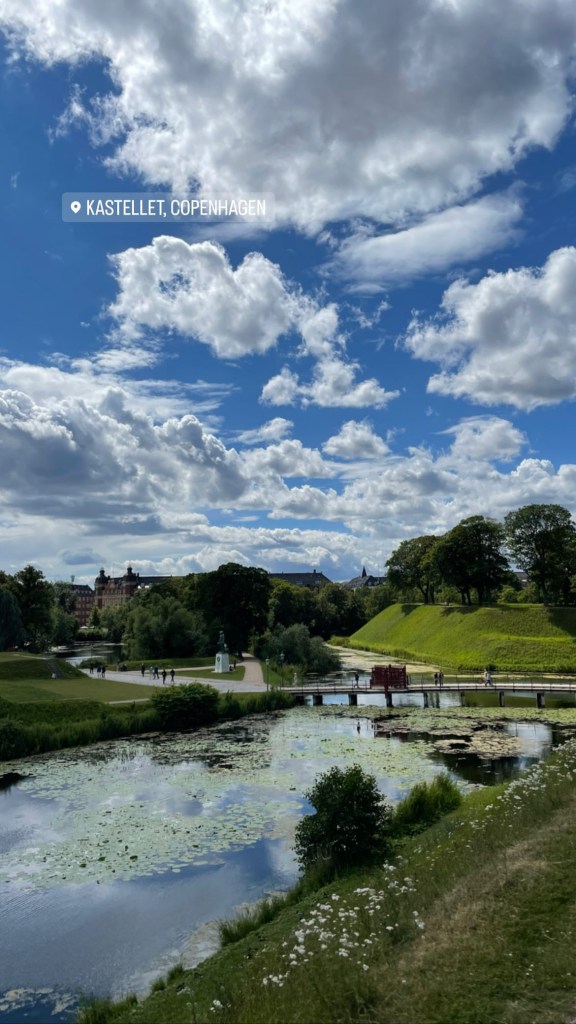
Eventually to the northeast, I wandered onto the site of the Kastellet. This castle and military compound is shaped like a five-pointed star and from above is exactly proportional, with water surrounding it on all sides bar a bridge connecting it to the city’s mainland area. It is an impressive feat of engineering with it still being a functioning military base and some remaining ramparts that used to encircle the city but are now only limited to Christianshavn. On one of the benches atop the ramparts, I eat lunch and enjoy the view of the seaplane terminal where bright red planes fly in and land having arrived from Aarhus or simply an aerial tour of the city from above. Of course, after visiting this incredible site, a quick visit to the Little Mermaid statue was necessary. Based on the 1837 fairy tale of the same name by Hans Christian Anderson, the small bronze statue depicting a mermaid becoming human has become an icon in its own right and attracts hundreds of visitors per year.
There really was nothing this city didn’t entertain and the best way to find it all was by bike. Admittedly on my first day, I walked everywhere, close to around 20km in total. However, by the next day, I had learned my lesson and hired a bike. The ease! The access! I had only dreamt of such bike infrastructure in the UK but Copenhagen was on a whole other level. There were separate traffic lights and car-sized lanes for bikes as well as whole parking garages just for bikes, so seeing the city from this easier mode of transport was truly what made my trip worthwhile. I would cycle across the same bridges I had walked over twice; three times but I didn’t care. I could now travel across this city as easily as driving but without the carbon footprint or paying for fuel. It was freedom of the purest kind.
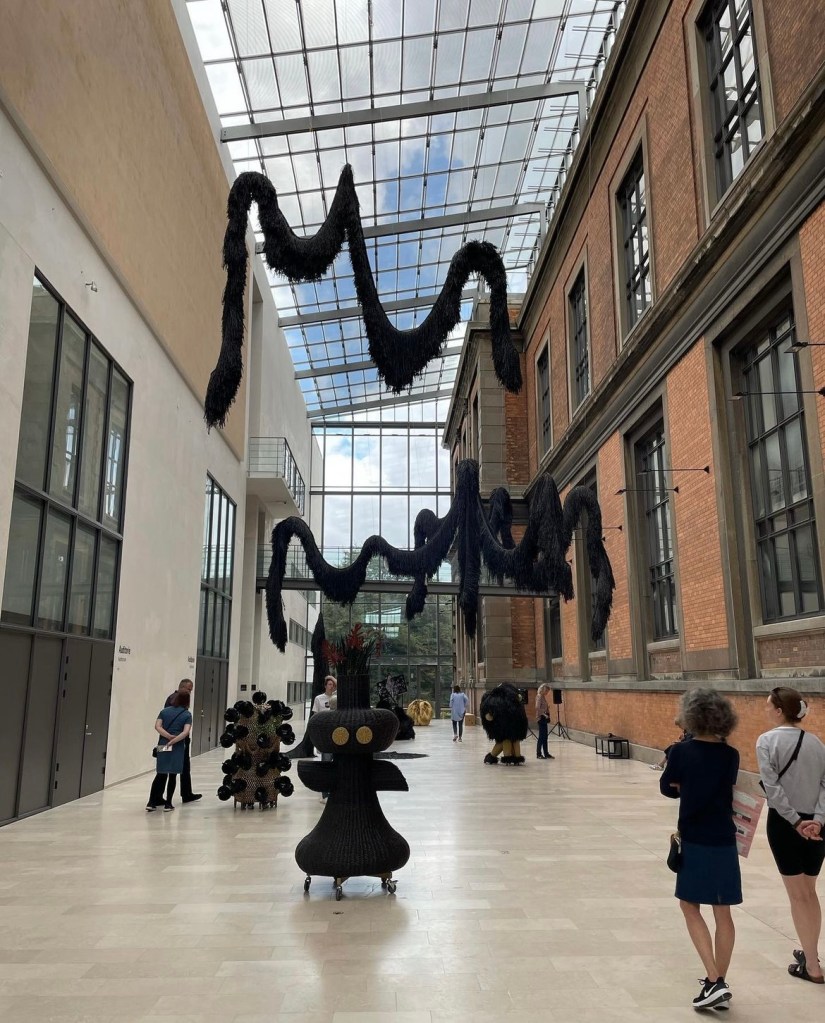
I cycled past bakeries, salons, restaurants and bookshops towards the Kastellet and finally reached the National Gallery. After locking my bike, I entered a vastly modern space with light wooden floors, white walls and glass ceilings from which hung various art pieces of wool and silk. I walked past exhibitions of historical art, tapestries six metres tall and surrealist sculptures of ceramic and metal. Then, outside again into the summer air. I found a park nearby in which to lie and read my book and eat grapes together with cheese from a local supermarket. Even the most basic supermarkets here sell fresh and delicious produce so that you’ll never be subject to stale bread or a bad pastry.
On my third day, I discovered why people from Copenhagen have such a high quality of life.
Lido’s. There were at least three in the vicinity of my hostel, so one morning I walked down early and jumped into the cool water despite it being June. There is nothing quite like it. Swimming in the river in the middle of a city for free and knowing you don’t have to worry about the waterways because they are kept so clean that you can swim in them. Of course, I did soon catch on why most people swimming only stayed for a short time; the jellyfish. Since it is seawater surrounding Copenhagen there is a high chance of jellyfish in the harbour areas, especially in summer, so I learned the hard way why several people were tasked with fishing them out of the lido and back into the open water. Though considering my innate fear of jellyfish there was something beautiful about the fact that we weren’t completely cut off from the wildlife in the harbour. At least that’s what my friend told me after I spoke to her about my ordeal.
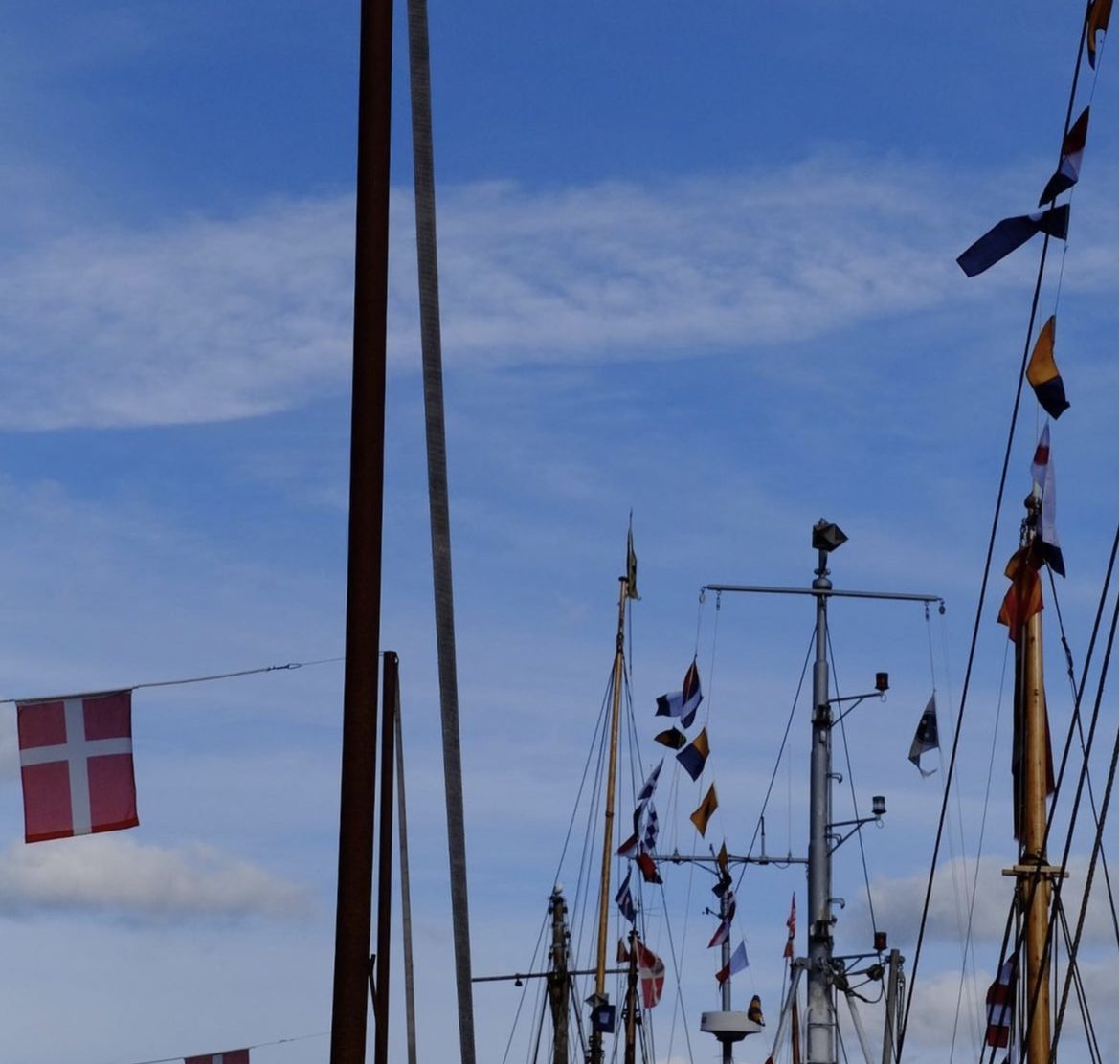
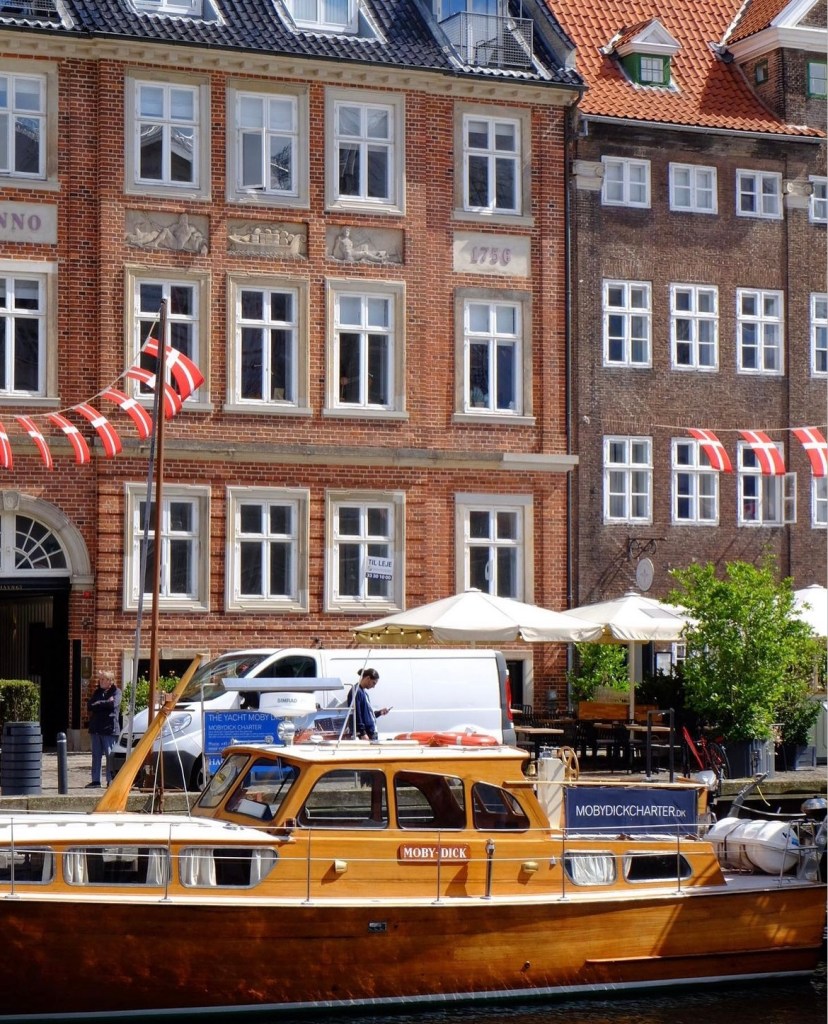
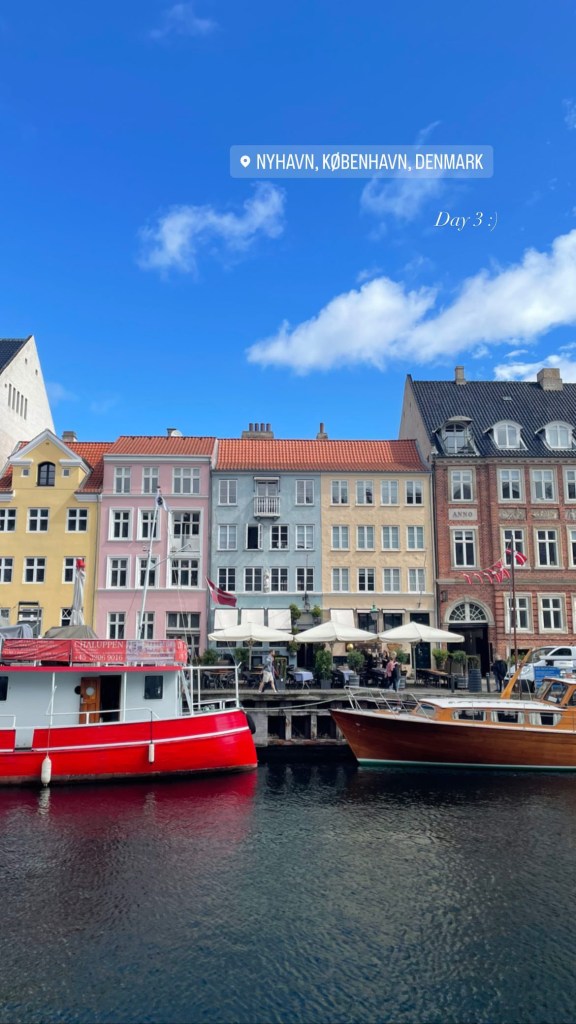
The next place I cycled to was Nyhavn which is arguably Copenhagen’s most famous canal street, purely because it encapsulates the essence of everything we might consider Danish; boats, canals, seafood and colourful houses. Although this isn’t exactly what made it so beautiful. All those things combined with the people enjoying a warm June evening sitting out on tables spilling onto the canal sides; and groups of families and friends enjoying an evening on their boats docked alongside the cobbled edges, were what truly gave this street its magic. I felt as though I had walked into a dream of what living a good life really meant. It is why that exact evening I came back to experience it at the golden hour. Despite the lack of space in the restaurants, it didn’t matter. I found myself a food stand, bought a French-danish-style hot dog and a glass of rosé from a nearby street bar and sat on the side of the canal, the flagstone as my picnic blanket and legs dangling over the edge. The evening sun was warm on my face and a Danish couple next to me sat chatting sharing a bottle of wine over a portion of chips, the melodic sing-song of the language floating into the air around them. On a wooden single-masted boat beside them sat a group of young adults sharing dinner and talking animatedly as small layers of Danish flag bunting fluttered above their heads. In the square behind me, someone plucked at the strings of a guitar as people sat and listened, eyes closed enjoying the music.
I remember writing in my diary that day: “I think I’ve found my favourite city in the whole world.”
“I felt my lungs inflate with the onrush of scenery—air, mountains, trees, people. I thought, “This is what it is to be happy.”
– Sylvia Plath
Visiting a new continent entirely on my own is not how I thought I’d start my summer. I also didn’t think that I’d be shovelling sand on a beach and seeing an Olive Ridley turtle with my own eyes, but here we are.
Junquillal, Costa Rica.
When I took my first step off the bus after a fresh bout of rain that left the dark asphalt steaming, I did not expect such a small village to emerge from the greenery on the roadside. There were several houses, some wooden, some concrete that lay directly by the roadside. Sounds from a small building site down the road pierced the humid air as I watched the bus pull away and I was left with the short walk to the project house I would be staying in for the remainder of my three weeks here.
It had been a fairly last-minute idea to go to Costa Rica. After endless scrolling online and a few dodgy websites later, I stumbled upon an international volunteer website, IVHQ, that hosted trips all over the world. More specifically, in South America. I had done a fair bit of reading about Costa Rica before and had seen how naturally beautiful it presented itself online. What I had not expected was how true that presentation turned out to be. Then, after a period of deliberation and my family questioning, if I was still sane to be going alone, I booked the trip and flights and started packing my insect spray.
The 2 flights and 12 hours it took to arrive in San Jose were interesting, to say the least. This was the longest I had ever flown alone so I was a little nervous, however, on arrival I was greeted by a man waving a flag with a smiley face on it and everything seemed to be working out.
On my third day in Costa Rica, after my orientation, location briefing and a lovely breakfast from my host mother, I was on my way north on the bus with a group of strangers I had just met at 5 am. We were all going to the same place, of course, and most of us were travelling solo, so I felt less daunted being in a strange country on a new continent surrounded by people who spoke another language. On the ride, I got to know my fellow travellers as I learned their countries of origin and what stages of life had led them here on a bus headed to Guanacaste. Then, after a brief stop in a service station that offered the entertainment of watching turkeys and various chickens run around the yard, we changed buses. The rain hammered down on the roof while we manoeuvred along potholed roads and overhanging palms rained down droplets through the open windows. I loved every second.
So, now staggering slightly under my heavy backpack, I stood and gazed up at the sloping roof and patterned tablecloths of the Verdiazul project house, while the howler monkeys chattered above. There was an old red truck parked in the driveway beside the house and a few other volunteers greeted us on arrival with friendly faces and questions about where we came from. It was beautiful.
Valerie, the resident biologist and co-founder of Veridazul came to greet us and introduced us to our duties as volunteers. Volunteers to help in the conservation of Turtles.
Yes, turtles!
I couldn’t quite believe I was living this dream of a job I had wanted to be a part of for so long.
From there, the days went slowly, which I relished. I never wanted to leave.
A typical day saw us getting up with the morning wake-up call of the howler monkeys and stray dogs that lived on our road before we blearily got dressed and headed over to the project house for a breakfast of fresh fruit, porridge and occasionally pancakes. The sun was usually blazing by this time though I knew by the afternoon it would be overcast before the inevitable monsoon-level downpour later and lightning that cracked across the sky in the darker hours. I never minded, though, since it always stayed consistent.
After breakfast, most of us would either head down to Playa Blanca – a beach that lay a short walk away, famous for its white sand opposing most other beaches that possessed black volcanic sand – or stay and read or nap in hammocks in the shade of the project house. When lunchtime swung around, we would eat the delicious food prepared for us by local cooks and then head to our tasks for the day. Most often this would consist of cleaning out and maintaining the Hatchery – a fenced area of the beach where turtle eggs would be protected from predators and poachers, thus helping them to gestate long enough to become baby turtles. We would spend a few hours each afternoon hauling buckets of sand out of the empty nests to replace it with fresh sand from the beach while sometimes talking to tourists and visitors about the project and how the Hatchery would give the baby turtles a better chance of surviving. This was often my favourite part as I felt like I was a part of something bigger. Something monumental that was helping the survival of a fragile species but also helping educate people on the lives of turtles and their breeding habits. Sometimes we would also conduct beach clean-ups to remove any possible obstacles for turtles when they did come to lay eggs. Then we sorted the rubbish into recycling piles since another key part of Junquillal is that the locals care about the environment. Valerie would often remind us of how differently the community felt towards the turtles before the project started and how many now cared for the cause of protecting the turtles and their environment.
On other days, we would spend time selling merchandise to visitors to help keep the project funded and would help host school groups who would come to learn about the turtles. We would build team activities, make sand formations that would mirror a turtle moving up the beach and then dig fake nests to simulate the process of turtles laying eggs and how to find the nests afterwards.
Not long after this activity, on a night patrol I had done with two of my housemates and one of the local project members, we began as was routine, to walk the length of Playa Junquillal (the beach on which the Hatchery stood). Most nights we would have patrol shifts for 3-4 hours in which we would walk up and down the beach to search for turtles’ impressions in the sand by moonlight in the hope of finding a nest we could move and place in our Hatchery, out of the way of possible predators or poachers. I didn’t mind walking in the darkness though. Walking underneath the Milky Way was better than any need I felt to see where I was going. On one such night, I heard a shout from ahead but couldn’t see much since we weren’t allowed torches with white light as it could damage the turtle’s eyes. By moonlight, I glimpsed the red light from our local leader bouncing off the shell of a full-sized turtle.
In a second, I started running through the sand and stopped short to watch as a large female Olive Ridley turtle finished digging the hole for her nest, laid her eggs, covered it up and speedily began her journey back to the ocean. I had no words. I was so overcome I nearly cried then and there because I had never seen a wild turtle with my own eyes. Let alone a full-sized one on a volcanic beach at 4 am on the Pacific coast of northwestern Costa Rica. Her rigid shell was full of patterns under the dim red light while her huge front fins dug into the sand, propelling her back towards the ocean. It was indescribable.
My fellow volunteers and I then slowly walked beside the turtle as she headed back into the waves. Within minutes she was gone. The idea that turtles are slow could not be more wrong. The whole exchange had taken no more than 5 minutes.
Then came the task of finding the nest. First, we had to use a stick to pierce the sand and find how deep the nest was before getting on our hands and knees and digging a hole deep enough to find where the eggs lay buried. My housemate found the first golf ball-sized egg and held it aloft in the torchlight as though she had just discovered the rarest of diamonds. From then on we took turns, with gloves on, to scoop the eggs out of the natural nest and into a bag which we would take back to the Hatchery to re-bury. I did not expect the eggs’ shells to have a soft consistency. They were somewhat squishy and therefore not easily breakable so it took little effort to scoop them into the bag. Then, once there were no more eggs to find and I had gotten over the reality of holding several turtle eggs in my hand, we headed back to the Hatchery.
I will never forget the pride I felt when we wrote the label for that particular nest and saw my name among those who had found it beside the number 89.
89 eggs. It was better than any award I had ever received.
The next morning, all I could hope for was a repeat of that feeling. The feeling as though I was dreaming. And I didn’t have to wait too long before it came again.
Not long into my second week, we released 95 baby Olive Ridley turtles along the coastline of Playa Junquillal. The experience of seeing 95 small turtles shuffle their way towards the ocean will remain burned into my mind forever. Their small bodies shifted to and fro as they struggled in and out of footprints and over driftwood to be swept away into the ocean current. And something about the idea that I helped them get there. There is no feeling like it.
Between these night shifts and days spent shovelling sand, there was quite a bit of free time. Almost too many moments, so I’ll summarise.
Towards the end of my second week, some of my housemates and other volunteers woke up at 4 am to go for a sunrise horse ride along the beach. We rode past vast black cliffs and down steep paths to where the ocean waves washed over the horses hooves. The foals came along too. They jumped and galloped as we did and I caught a glimpse of how incredible it must be to feel free like this. Freely galloping down a flat sandy beach with the sun rising over the morning tide and early surfers arriving to catch their first waves.
A few days earlier, I took part in a kayak tour of a mangrove swamp in which we spotted all sorts of bird species. Everywhere exposed roots rose in great twisting structures out of the murky water and trees brushed the heavens while many branches hung low over the river. Some you could even brush to the side like a curtain. The air was thick but surprisingly silent and through the shaded water, we encountered a black hawk, woodpeckers, kingfishers and even a baby raccoon. It was so peaceful just gliding along, the only disturbance being the distant sound of clams snapping closed.
During my last two days, as I walked down the road from the project house to the beach, lush palms, giant trees and bright, almost neon, tufts of green grass accompanying me on my way, I felt a deep sense of sadness at leaving. To be leaving the glowing fireflies, turtles, green parakeets and living in sandals 24/7. Sure, there was the constant sand in every piece of clothing I owned, the howler monkeys beginning their chorus at 5 am no matter how little sleep I had gotten, the fear of being struck by lightning on our night patrols and the sweatiness of existing in 95% humidity. But there was an endless collection of things, feelings and moments that outweighed it all.
Since I was 16, I have kept a list of the greatest moments of my life. Moments when I say to myself, “There is nowhere in the world I would rather be than right here, in this moment, surrounded by this landscape and this feeling”.
There are only 10 moments on this list, and 4 of them are from visiting Costa Rica.
If that doesn’t tell you what you need to know, I don’t know what does.