
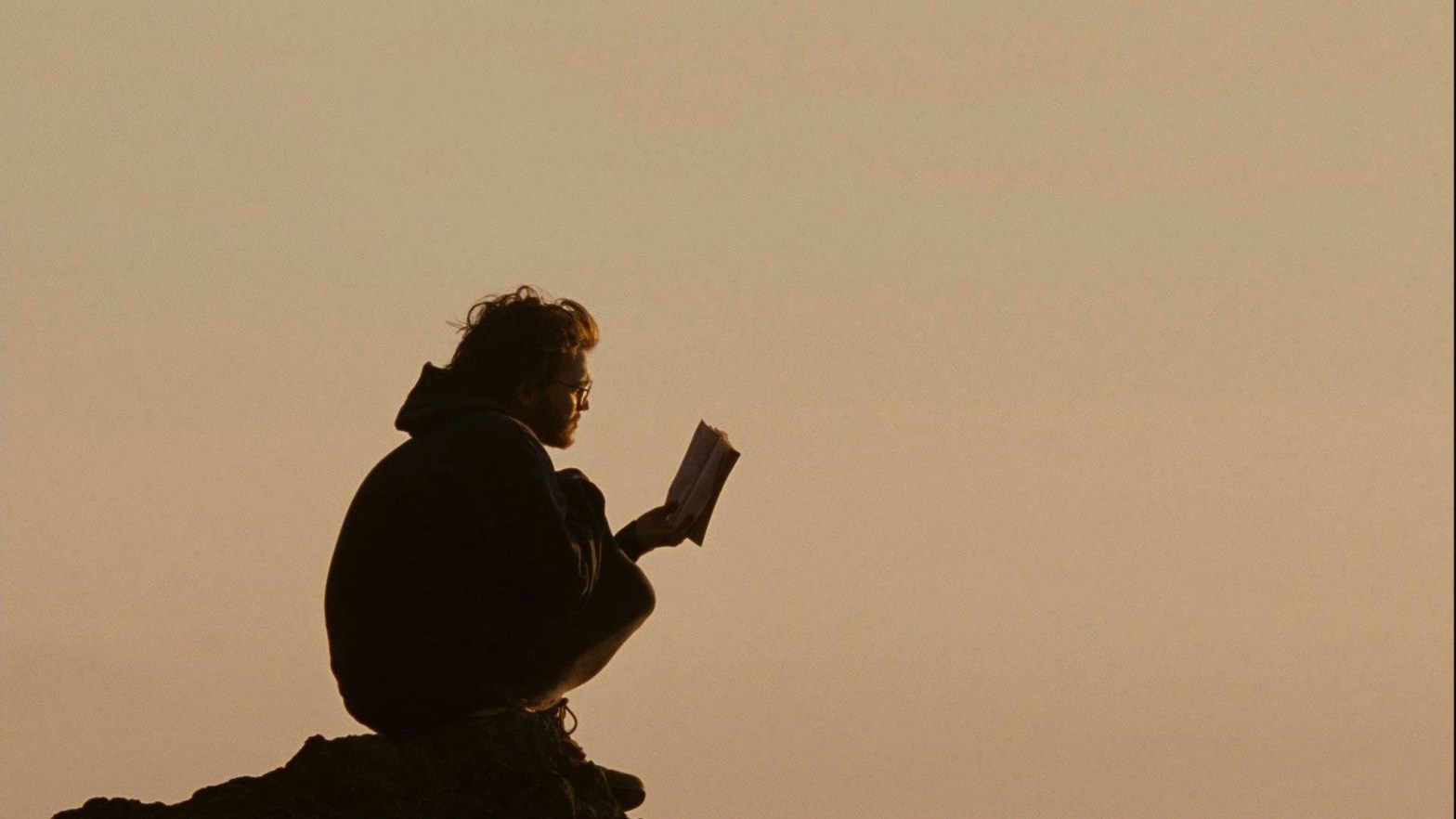
Sean Penn’s “Into the Wild”, based on Jon Krakauer’s book about the life of Christopher McCandless, begins with this poem. The words echo throughout the two hour long visually stunning journey of Chris from College graduate to lonely nomad, huddled inside an old Fairbanks City bus. It describes the pleasure found in nature, away from human intrusions and structures, away from capitalist habits and responsibility and taxes.
The film’s cinematography communicates these pleasures and evokes empathy from audiences seeking escape from societal power structures, namely capitalism and neocolonialism.
Tag Archives: film
Twentieth Century Women : Why I wish I grew up in a colourful house with strangers.
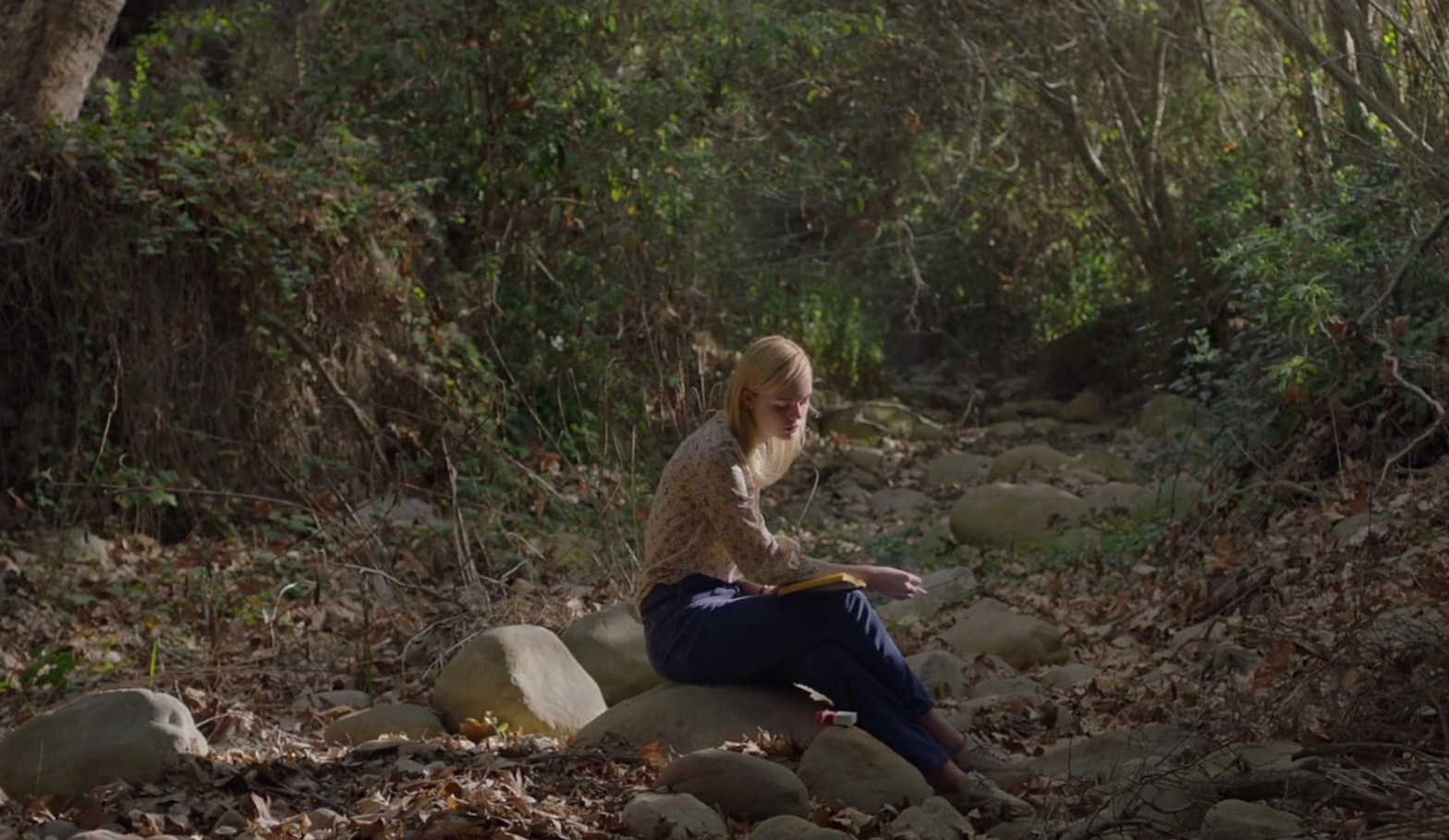
Santa Barbara 1979.
An old white car sits in a car park engulfed in flames while a mother and son look on from the window of a grocery store.
This kind of beginning of a film is rare. The rarest kind of intrigue that doesn’t require the usual conversation of – “Oh you just have to get into it a bit first before it picks up.” There’s none of that and that is why this film is classified as my third favourite film of all time.
Newness: A cinematic insight into modern love

The hardest thing to do it seems, in film, is to find originality. A new idea. A new vision. Newness. When I first started this film, my immediate thought was to wonder why the camera lens brought such a blue hue to the picture. Why was the light dampened in such a way the meantContinue reading “Newness: A cinematic insight into modern love”
 For Wanderers and Wonderers